
Outdoor Shelves for Potted Plants: A Comprehensive Guide
Intro
Creating a thriving outdoor environment brimming with plants is a dream for many homeowners and decorators alike. As we embrace nature’s beauty, the integration of outdoor shelves for potted plants becomes an essential consideration in any space. These shelves not only offer a practical solution for displaying a myriad of plant species but also elevate the aesthetic appeal of gardens, balconies, and patios.
When it comes to outdoor shelving, the choices are varied, ranging from ornate wooden constructions to sleek metal designs. Each one presents its own unique advantages and styles, allowing homeowners to express their personality through plant arrangement and decor. By understanding the intricacies of material choices and furniture styles, anyone can transform their outdoor space into a verdant sanctuary, providing both beauty and functionality.
Furniture Styles
Overview of Popular Furniture Styles
When selecting outdoor shelves for your treasured potted plants, understanding furniture styles is crucial. Various styles add distinct character to your outdoor areas. Here are a few prominent ones:
- Rustic: Often crafted from reclaimed wood, rustic shelves bring a touch of nature into your space. Their rugged charm evokes the simplicity of country life, perfect for anyone wanting to create a relaxed atmosphere.
- Modern: Clean lines and minimalist designs define modern shelves. Usually made from metals or synthetic materials, these shelves offer a sophisticated look, perfect for contemporary homes.
- Bohemian: For those who love vibrant colors and eclectic designs, bohemian-style shelves are ideal. They allow for creative arrangement and can mix different materials seamlessly.
- Industrial: Featuring raw materials like metal and wood, industrial shelves often embody an urban vibe. These are excellent for a modern, gritty aesthetic while still being practical.
Mixing and Matching Styles for Your Home
An eclectic approach may yield interesting results. Mixing styles can reflect your personal taste while enhancing your garden’s visual appeal. For instance, combining rustic shelves with modern planters creates a unique blend that showcases both old and new styles. This approach speaks volumes about your creativity and ability to curate a space that feels both organized and spontaneous.
Remember: The key to successful mixing is maintaining a coherent color palette or theme that ties the different styles together.
Material Choices
Benefits of Different Furniture Materials
The materials you choose for outdoor shelves significantly impact their durability and functionality. Here is a breakdown of some common materials:
- Wood: A classic choice, wood offers warmth and natural beauty. However, it requires regular maintenance to protect against moisture and pests.
- Metal: Aluminum or stainless steel shelves are sturdy and resistant to rust, making them a strong contender for outdoor conditions. They can often be molded into intricate designs while ensuring longevity.
- Plastic or Resin: These materials are lightweight and come in a variety of designs. They resist fading and are low maintenance, though they may lack the natural aesthetic appeal found in wood or metal.
Eco-Friendly Furniture Options
Sustainability can also play a crucial role in your outdoor shelf selection. Opting for reclaimed wood or bamboo not only features an eco-friendly choice, but they also add character to your space. Crafted without harmful chemicals, these materials are safe for both your plants and the planet. On top of that, products made from recycled materials demonstrate your commitment to reducing waste while creating a unique display for your green companions.
In summary, selecting the right outdoor shelf involves a blend of style preference, material choice, and a hint of personal creativity. By considering these aspects, you can curate a stunning outdoor arrangement that enhances your lifestyle and showcases your love for plants.
Understanding Outdoor Shelves for Potted Plants
In the realm of gardening, outdoor shelves for potted plants play a pivotal role not just in organization but also in maximizing the visual appeal of your green space. The advent of these shelves has transformed the way homeowners and enthusiasts display their botanical companions, moving beyond mere utility to becoming essential design elements of landscapes and patios. By harnessing the potential of outdoor shelves, one can cultivate a lush and artistic environment that reflects personal style.
Definition and purpose
Outdoor shelves for potted plants are typically structures designed to hold various pots while providing easy access and visibility. They come in a myriad of styles and materials, each one crafted to support different weights and sizes of pots. The shelves serve multiple purposes:
- Organizational Aid: They keep plants neatly arranged, preventing clutter while making it easier to tend to the greenery.
- Space Optimization: Particularly useful in smaller yards, shelves allow plant lovers to utilize vertical space, making the most of limited areas.
- Aesthetic Enhancement: Whether sleek, modern designs or rustic wooden constructions, these shelves contribute to the overall aesthetic of an outdoor space, creating focal points that catch the eye.
- Support for Growth: By elevating plants, shelves can help improve air circulation and light exposure, which supports healthy growth.
Importance in plant care
The significance of outdoor shelves extends beyond just their visual appeal. When properly utilized, they become integral in maintaining the health and well-being of potted plants. Here are several ways these structures contribute to effective plant care:
- Accessibility: Elevating pots makes it easier to water and prune plants without bending over, minimizing strain and encouraging regular maintenance.
- Sunlight Optimization: Different plants have varying light requirements. Shelves allow for adjusting pot positions easily, ensuring that each plant receives its needed light.
- Drainage Efficiency: Some shelves are designed with drainage systems or slats to prevent water accumulation around pots, reducing the risk of root rot.
- Seasonal Adaptation: As the seasons change, plant growth patterns evolve. Outdoor shelves can be reconfigured to better suit shifting climate conditions, allowing for a more tailored approach to gardening.
"A well-placed shelf can turn an average collection into a stunning showcase of horticultural artistry."
In summary, understanding the function and benefits of outdoor shelves for potted plants is crucial for anyone serious about enhancing both the function and aesthetics of their gardening endeavors. Their role goes far beyond mere support; they are an essential tool for cultivating healthy, thriving plants while beautifying outdoor living areas. As we delve deeper into this guide, the upcoming sections will explore various types of shelves, considerations for materials, and creative design options to elevate any outdoor space.
Types of Outdoor Shelves
When it comes to enhancing outdoor spaces, the type of shelf you choose for your potted plants matters a whole lot more than meets the eye. Each type of shelf offers distinct benefits, functionality, and aesthetic appeal that can either complement or clash with your garden vibe. Thus, selecting the proper type of shelf can elevate your landscape, making it not merely perform well but also look fantastic. Let's delve into the different options available and their unique characteristics that could suit your gardening style.
Tiered shelving units
Tiered shelving units are like the Swiss army knife of outdoor plant displays. They provide ample space for a variety of plants while optimizing vertical space in your garden. With multiple layers, these shelves allow for different plant heights, creating a visually dynamic arrangement.
One of the significant advantages of tiered shelves is the efficiency they bring to plant care. For instance, it's easier to manage sunlight exposure. Sun-loving plants can be placed on the top tier, while shade-preferring ones can thrive on lower levels. In this way, every plant gets the light it requires without compromising others. Furthermore, if you want to show off your collection of colorful pots, tiered options are often more dynamic, making your outdoor area a feast for the eyes.
Wall-mounted shelves
Wall-mounted shelves, as the name implies, are affixed to the wall, making them perfect for small spaces or for creating unique plant displays. These shelves are particularly advantageous for those looking to create a striking contrast against a solid wall or fence. They can serve both functional and decorative purposes.


By mounting plants at varying heights, you provide visual interest and make a memorable impact. Think about how a monochrome wall is transformed by a burst of greenery and blossoms. Wall-mounted shelves are also excellent for decorating patios, balconies, or vertical gardens, especially when arranged artfully.
Freestanding shelves
Freestanding shelves boast a versatility that is hard to beat. They can be moved around as needed, allowing homeowners to reconfigure their outdoor area on a whim. Think of them as your garden’s pop-up shop for plants; they can easily be relocated to chase the sun or rearranged to accommodate seasonal changes.
These shelves come in many styles and heights, providing an opportunity to mix and match with existing outdoor furniture or decor. Also, freestanding units often create stunning layers in your planting arrangements, accommodating everything from small succulents to larger potted shrubs. With some creativity, they can become centers of attraction, drawing attention to your diverse plant collection.
Vertical garden shelves
Vertical garden shelves are a game-changer for those keen on maximizing plant space while keeping ground-level areas tidy. This type of shelving allows for multiple plants to grow upward rather than sprawling outward.
Not only do vertical shelves amplify the potential for plant arrangement—the aesthetics of cascading foliage on a vertical plane can be breathtaking—but they also take advantage of smaller areas that may otherwise be forgotten.
Consider incorporating vertical shelves as a backdrop to your outdoor seating arrangements. Not only do they beautify the setting, but they also serve essential functions—providing herbs, flowers, or veggies right at your fingertips.
"In choosing the right type of outdoor shelf, consider not only the space available but also how the shelf can enhance the overall aesthetic and practicality of your outdoor area."
Each type of outdoor shelf has its own benefits and considerations, from tiered units that optimize space to wall-mounted options that draw the eye. Freestanding and vertical shelves boast unique flexibility and functionality. The right choice can add both depth and beauty to your outdoor setting, making it a true reflection of your personal style.
Materials for Outdoor Shelves
When it comes to outdoor shelves for potted plants, the materials you select are crucial. Each material has its own set of properties that influence not only the strength and durability of your shelves but also their aesthetic appeal. Selecting the right material can enhance the visual harmony of your garden while providing practical benefits that ensure the longevity of your shelf. Let’s delve into some key materials commonly used in these outdoor shelves.
Wood options
Wood brings a warmth that can beautify any garden. It is a popular choice for outdoor shelves, offering both natural charm and versatility. However, not all woods are created equal, and understanding the differences can help you make the best selection for your plants.
Softwood vs. hardwood
Softwoods, harvested from coniferous trees like pine or cedar, are typically more affordable and easier to work with. One of the standout characteristics of softwoods is their lighter weight compared to hardwoods. This can be a plus when moving the shelf around or rearranging plants. On the other hand, hardwoods like oak or mahogany are robust and incredibly durable. Though often more expensive and heavy, they offer a sturdy base that can last for years in outdoor settings.
Softwood is often treated to withstand harsh weather, while hardwood tends to come with a fine grain and varied textures, which can complement the natural colors of plants. If you're going for a rustic look, softwood can be an excellent choice, while hardwood serves well for a more polished or contemporary style.
Treatment for durability
To enhance the longevity of wooden shelves, treatment is essential. Various finishes and sealants can extend the lifespan of wood, protecting it against moisture, UV rays, and pests. Treatments like varnish or oil can seal the wood, keeping its color vibrant and its structure intact. This is especially important if your shelves will be exposed to the elements.
Some treatments may introduce a glossy finish that's visually appealing but perhaps not suited for every outdoor aesthetic—it's a matter of personal taste. Treatments typically offer an additional level of maintenance, but they are a worthwhile investment to ensure that your shelves endure the test of time.
Metal selections
Metal shelves provide a modern alternative to traditional wooden options. They are often favored for their strength and resistance to weather. Yet, choosing the right metal and finish can influence both performance and appearance.
Rust-resistant finishes
Even though metals like steel are durable, rust can be their Achilles’ heel. Rust-resistant finishes such as powder coating or galvanization can significantly improve the longevity and appearance of metal shelves outdoors. These finishes create a barrier between the metal and potential moisture, which helps prevent rust formation over time.
Consider a powder-coated finish for a vibrant color, which can add an artistic touch to your garden design. Such treatments allow metal shelves to blend seamlessly with many styles. Rust-resistant metal is not only functional but adds an industrial aesthetic that can complement modern outdoor decor.
Weight considerations
When choosing metal for outdoor shelves, weight plays an important role. While sturdier metals support heavier pots or plants, they can also make rearranging a hassle. Lighter metals or metals with hollow tubing can offer better maneuverability without sacrificing strength. Understanding your specific needs and plants can guide your decision, ensuring that the shelves accommodate both your gardening aspirations and practical use.
Plastic and synthetic materials
If you're looking for an alternative that's resilient and versatile, plastic and synthetic materials provide excellent options. Lightweight and easy to maintain, these materials have made their mark in outdoor shelving.
Lightweight benefits
One of the main advantages of plastic shelves is their lightweight nature. As a homeowner, this characteristic makes them incredibly easy to arrange and relocate, which is especially helpful when you want to change the layout of your garden. Furthermore, lighter shelves may reduce the risk of damage to your plants or garden during rearrangement. They also tend to be easier on the wallet, making outdoor gardening more accessible.
However, not all plastics are created equal. It’s important to choose high-quality, UV-stabilized plastics to avoid fading or degradation. The availability of colors and styles is another bonus, allowing you to find a plastic shelf that fits your outdoor theme.
Environmental considerations
Nonetheless, it is vital to weigh the environmental impact of synthetic materials. Some plastics can be harmful to the environment during production and disposal. Choosing products made from recycled materials can mitigate these concerns. Researching brands that emphasize sustainability can not only shine a light on responsible choices but also guide you in building an eco-friendly outdoor space.
Ultimately, understanding the materials for outdoor shelves allows you to align choice with your gardening goals, style preferences, and environmental impact. Making informed decisions ensures you cultivate an outdoor oasis that remains aesthetically pleasing and functional for years to come.
Design Considerations
When diving into the world of outdoor shelves for potted plants, it’s critical to consider various design elements. These aren’t just about aesthetics; they greatly impact functionality and plant health. Understanding the dimensions, style, and arrangement can elevate your outdoor gardening game. Let’s break these down.
Size and dimensions
Choosing the right size for your outdoor shelves isn’t a matter of mere chance. It’s essential to measure your space accurately. An ill-fitting shelf can cram your garden or leave too much empty space. That can be unsightly. For instance, if you have a small balcony, opt for narrower shelves that don’t loom over your plants. Conversely, larger backyards can accommodate wider or taller shelves. The key here is balance.
Style and aesthetics
Your choice of style can make or break your garden's overall look. Whether you're aiming for a cohesive theme or a vibrant contrast, style matters.
Modern vs. traditional designs
Modern designs often boast sleek lines and minimalistic aesthetics. Think about smooth metals or simple wooden shelves that don’t distract from the real stars of your garden: the plants. These designs fit well into contemporary outdoor spaces, making them quite a popular option. Traditional designs, on the other hand, speak to nostalgia. They might use ornate woodwork or wrought iron that adds character and warmth to the space. The unique feature of traditional shelves is their craftsmanship, which often shines in intricate details. While they lend old-world charm, they can sometimes clash with cleaner architectural lines typical of modern homes.
Color matching with outdoor décor
Color can dramatically influence the mood of your outdoor area. Consider how your outdoor shelves align with existing furniture or garden features. Want a subtle touch? Go with earthy tones that blend seamlessly into the landscape. Or maybe you prefer a brighter splash that grabs attention? A vibrant red shelf against green foliage can do the trick! This approach can create visual unity or stark contrasts that are equally delightful. The challenge is ensuring that your color choices enhance rather than clash.
Arrangement and spacing
How you arrange your shelves is equally as crucial. A poorly planned setup can restrict your garden’s growth and aesthetic appeal.
Height variation for plant types
Different plants have varying height needs, so keeping this in mind during your shelf design is essential. Taller plants should reside on the bottom or middle shelves, while shorter varieties should occupy the upper shelves. This layering not only looks good but also gives each plant a chance to get sufficient sunlight. The unique feature of height variation ensures that every plant thrives.
Optimal light exposure
Light exposure can’t be overlooked. Some plants thrive in full sun, while others are more comfortable in shade. Arranging your shelves in a way that takes geographical orientation into account can maximize sunlight exposure. For instance, placing your shelves in a south-facing direction typically yields better results for sun-loving plants. The key here is flexibility — always be ready to adjust your shelves throughout the growing season based on how much sun each plant requires.
Tip: Regularly assess the arrangement and adjust plant positions as needed to optimize growth.
By investing thought into these design considerations, you're not just setting up shelves; you’re laying down the foundation for a flourishing outdoor oasis.
Functionality and Usage
When it comes to outdoor shelves for potted plants, understanding their functionality and usage is crucial for creating a thriving garden. These shelves are not merely decorative pieces; they serve several vital purposes that directly impact plant health, accessibility, and overall garden organization. As you delve into this topic, consider how these shelves can elevate both your gardening experience and the aesthetic appeal of your outdoor spaces.
Plant health and accessibility
The arrangement of your potted plants on shelves can significantly affect their growth and health. By placing plants at varying heights, you ensure that each type receives optimal sunlight exposure. This is particularly important for plants that thrive in full sun versus those that prefer partial shade.
Shelves also provide a more organized approach to plant care. It makes watering and inspecting your plants easier. When plants are spaced out appropriately, it's simpler to spot issues like pests or diseases. Moreover, with the right shelving, plants can enjoy better air circulation, which helps prevent mold and mildew. This accessibility can also support physical wellbeing, reducing the need to bend or reach excessively when caring for your plants.
Storage for gardening supplies
An outdoor shelf can double as a thoughtful storage solution for various gardening supplies. Think about it: pots, tools, fertilizers, and watering cans can clutter up your outdoor area if you don’t have a proper place for them. Setting up shelves doesn't just enhance the look of your garden; it brings functionality beyond just plant display.
- Easy-to-reach spots: A designated shelf for gardening items means they are easily accessible when you need them. No more rummaging through a shed or a disorganized corner of the yard to find your trowel.
- Expand your workspace: You can create a makeshift potting area on larger shelves, which can be particularly useful if you're replanting or doing other gardening tasks that require concentration and space.
- Seasonal organization: You can also keep seasonal tools together, which makes transitioning between seasons much more manageable.
Seasonal adjustments
Seasonal changes can pose challenges for how plants are displayed and cared for. With adequate outdoor shelves, you're better equipped to adapt your gardening strategy throughout the year. For example, during colder months, you might want to bring particular plants indoors or elevate them to reduce exposure to frost on the ground. Shelves allow for this flexibility.
- Space-saving: By elevating certain plants, you can free up ground space for seasonal perennials or other varieties that may be blooming.
- Rotating crops: You can easily swap plants out based on their growing season; this rotational method promotes soil health and harvest quality.
Remember, maximizing the efficiency of your garden space comes down to how you utilize these outdoor shelves. They are not just about aesthetics, rather they play a pivotal role in maintaining flourishing plant life while simplifying your gardening processes.
"The right balance between form and function can turn any outdoor space into a stunning display of nature and nurture."
Adjusting your outdoor shelves according to the season and needs of your potted plants ensures that your gardening efforts reap the best rewards. Think of these pieces not just as furniture but as essential tools in your plant care repertoire.
Maintenance Practices
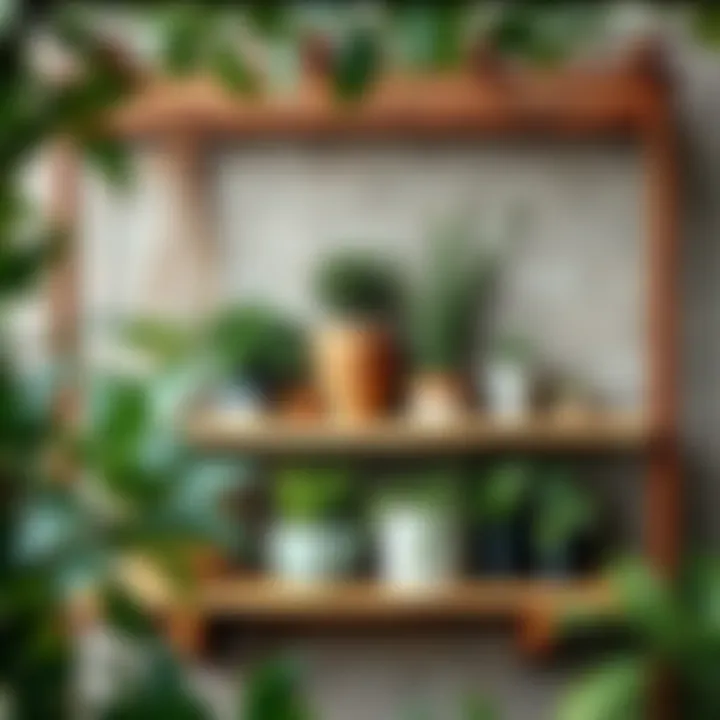
With outdoor shelves designed for potted plants, maintenance practices are key to ensuring their longevity and functionality. Just like a well-tended garden, these shelves need ongoing care to remain aesthetically pleasing and structurally sound. Neglecting these aspects can lead to diminished plant health, compromised aesthetics, and ultimately, increased repair costs. In this section, we will delve into several critical maintenance components that will help you keep your outdoor shelving in top shape.
Cleaning techniques
A regular cleaning routine is essential for maintaining the appearance of your outdoor shelves. Over time, dust, dirt, and organic debris like leaves can accumulate, creating a dull and unsightly surface. Fortunately, cleaning outdoor shelves is straightforward:
- Dusting: Start by removing any dust or cobwebs using a soft cloth or a duster. For hard-to-reach places, a broom can help sweep away the debris.
- Soapy water: Create a solution of mild soap and water. Using a sponge or a soft-bristle brush, scrub down the surfaces, focusing on any stubborn stains. Avoid abrasive materials that may scratch the finish.
- Rinsing: After you've scrubbed, rinse with clean water. Ensure that the water doesn't pool around the base, as this can lead to rot or rust, especially in wooden or metal shelves.
- Drying: Use a damp cloth to dry the surfaces, providing a thorough drying process to avoid moisture traps.
"A clean shelf not only looks good but is also an indicator of the care and attention you give to your plants."
Restoration of materials
Outdoor shelves can endure harsh weather conditions, leading to wear over time. Restoring materials is crucial for maintaining both function and beauty. Different materials require specific restoration techniques:
- Wood: Wooden shelves may experience splitting or fading. To restore:
- Metal: Metal can rust or corrode, especially if exposed to moisture. To restore:
- Plastic: For synthetic materials that may discolor:
- Sanding: Lightly sand the surface to remove rough patches or peeling paint.
- Sealing: Apply a wood sealant to protect against moisture and UV rays. This will prolong the lifespan significantly.
- Rust Removal: Use a wire brush or sandpaper to remove rust spots.
- Paint: After cleaning, repaint with a rust-resistant paint to prevent further corrosion.
- Bleach Solution: A diluted bleach solution can sportily brighten up discolored plastic. Ensure to rinse thoroughly afterward.
Inspection for damage
Regular inspections can save you from considerable trouble down the line. It’s essential to catch any potential issues early on before they escalate into larger problems. Here are a few pointers to consider during your inspection:
- Check joints and connections: Look for loose screws or hinges. Tightening them can improve stability.
- Look for signs of rot or rust: Wooden shelves need checks for rot, especially at the bases. Similarly, metal shelves should be inspected for rust or corrosion.
- Assess weight capacity: Over time, you may have added more pots or heavier plants. Ensure your shelves can handle the increased weight without warping or sagging.
- Surface condition: Examine the finish on wooden and metal shelves. If you notice chipping or wear, it's time for some restorative work to prevent further damage.
By keeping up with maintenance practices, you not only extend the life of your outdoor shelves but also create an inviting, healthy environment for your potted plants. The interplay between proper care and the beauty of your outdoor space can enhance your home’s appeal significantly.
Enhancing Outdoor Spaces
The integration of outdoor shelves into your garden or patio can completely reshape the outdoor aesthetic and functionality of space. Outdoor shelves serve not just as practical solutions for plant storage but also as essential elements that enhance the overall design and ambiance. By thoughtfully arranging potted plants on these shelves, homeowners can elevate the beauty of their outdoor areas while also expressing personal style.
Integrating with landscaping
When planning how to integrate outdoor shelves with landscaping, consider the surrounding elements. Shelves can be nestled among flowerbeds or strategically placed near paths to create an organic flow within the space. Proper placement helps to blend the shelves with the natural environment, making it look intentional rather than simply added on.
For example, if you have a flower garden bursting with color, using neutral-toned wood or metal shelves will allow the vibrant blossoms to take center stage while still providing a backdrop that supports their beauty. Additionally, selecting shelves that echo the shapes and lines within the landscape, such as curved shelving for a garden with soft edges or angular for modern landscaping, can create visual harmony.
Creating visual focal points
Outdoor shelves are excellent tools for crafting focal points within your garden. A shelf filled with lush greenery can draw the eye, especially when paired with decorative pots or interesting plant varieties. To make a shelf a standout feature, consider varying plant heights and using pots with distinct colors and designs. This approach allows for a visual tapestry that captures attention and invites exploration.
Another method for increasing the shelf’s attractiveness is to incorporate decorative elements—think garden sculptures or lanterns—onto the shelves themselves. This juxtaposition of plants and decor can create scenes that charm the observer and elevate the outdoor experience.
Complementing outdoor furniture
The design of outdoor shelves should also align with any existing outdoor furniture, bringing cohesion to your overall design scheme. For instance, if your furniture leans towards rustic wood, your shelves can mirror that style, deepening the unity of the space. Conversely, using sleek, metal shelves can create an intriguing contrast against wooden patio furniture, adding depth and character to the outdoor setting.
It's key to ensure there is a sense of balance. A shelf loaded with potted plants should not overcrowd an area, especially if it's next to larger items like outdoor sofas or dining sets. Allowing for breathing room between these elements will help each piece shine, making the outdoor space feel spacious and welcoming.
Remember: Effective integration of outdoor shelves with furniture enhances the functionality and aesthetic quality of your outdoor space. The right combination can turn a simple garden or balcony into a well-thought-out outdoor retreat.
Ultimately, enhancing outdoor spaces with thoughtful shelf integration can transform not just the appearance of your garden but also how you experience it. By considering the relationship between elements—shelves, plants, and furniture—you can create an outdoor environment that delights and inspires.
Finale
Understanding the role of outdoor shelves for potted plants is crucial for any design-savvy homeowner or decorator. These shelves do more than just hold your beloved greenery; they create visual interest and can significantly enhance outdoor spaces. With the right type, material, and arrangement, outdoor shelves can provide both functional and aesthetic benefits.
Recap of key insights
- Types of Shelves: Various designs like tiered units, wall-mounted options, freestanding shelves, and vertical gardens each cater to different space requirements and visual styles. Each type serves a unique purpose in showcasing plants, so choosing the right one can transform a bland corner into a botanical paradise.
- Material Matters: The choice of material impacts not only the durability of the shelf but also its integration within the landscape. Wood, metal, and plastic all come with their unique advantages and aesthetic potential. For instance, treated wood might yield a rustic charm, while metal shelves can evoke a contemporary vibe.
- Design Considerations: Size, style, and arrangement play key roles in the success of outdoor shelving. Selecting pieces that match or complement existing outdoor decor is essential. Furthermore, paying attention to light exposure can ensure your plants thrive in their newly designated spots.
- Functionality with Style: Beyond just aesthetics, these shelves allow for better plant care through improved accessibility. They also provide ample opportunity for storage, helping keep gardening tools organized, which can be a real lifesaver during busy gardening seasons.
- Maintenance is Key: Regular inspection and cleaning go a long way in preserving the longevity of your outdoor shelves. Understanding how to restore materials can also keep them looking fresh.
Final thoughts on outdoor shelves
Incorporating outdoor shelves into your garden or patio area can significantly add to the overall ambiance while also offering practical solutions for plant care and organization. As you embark on this journey, remember that the end goal is a harmonious blend of beauty and functionality.
As outdoor shelves bridge the gap between creativity and cultivation, they're not just additions but essential elements of landscape design. The possibilities are endless when it comes to how you can display your plants while encapsulating your personal style.
The right setup can make even the smallest of outdoor spaces bloom with life and personality, encouraging not only your own gardening pursuits but also inviting others to experience the joy of your green touch.
"An outdoor shelf is not merely a structure, but a canvas for your botanical explorations."
Whether you’re a designer, a homeowner, or simply someone passionate about plants, considering outdoor shelves in your space can lead to a flourishing experience both for your plants and your aesthetic aspirations. Don't overlook their potential; the green thumb in you deserves a perfect stage.