Exploring Wooden Clothes Poles: Design and Functionality


Intro
In today’s world, where sustainability meets design, wooden clothes poles are gaining recognition as both functional tools and aesthetic additions to homes. The recent surge in eco-conscious living has brought a spotlight to these timeless structures. This article delves into the essence of wooden clothes poles, their design intricacies, and the distinct materials that create them. We will explore why these elements are not merely utilitarian, but also blend seamlessly into various home styles.
Whether you’re a designer looking to incorporate rustic charm into your project, a homeowner wanting to add an eco-friendly touch to your laundry routine, or a realtor aiming to highlight unique features in properties, understanding wooden clothes poles can illuminate choices that align with both style and sustainability.
As we journey through the various facets of wooden clothes poles, we will discuss their historical significance, practical usage in today’s settings, and the ways they reflect contemporary design philosophies. We will also cover how to maintain these poles, the challenges they might present, and viable alternatives available on the market.
Join us as we unfold the story of these overlooked yet impactful home additions, and help you make informed choices that resonate with your preferences and values.
Prolusion to Wooden Clothes Poles
Wooden clothes poles are not just functional items; they are an intersection of practicality, sustainability, and aesthetics. The general decline in the usage of clothes poles in favor of modern appliances like tumble dryers has resulted in a significant disconnection from a traditional yet effective method of drying clothes. By examining wooden clothes poles, this article aims to rekindle interest in a practice that has both environmental benefits and style points—something that appeals to designers, homeowners, decorators, and more.
Understanding the Basics
At their core, wooden clothes poles serve a simple purpose: to hang laundry out to dry. However, the benefits extend far beyond mere drying capabilities. Firstly, they are eco-friendly options that lend themselves well to sustainable living. Unlike electric dryers which consume significant energy, wooden poles represent a return to simple methods that utilize natural resources and the sun.
Additionally, they can enhance the aesthetic appeal of outdoor and indoor spaces. Imagine a scenic backyard adorned with a rustic wooden pole against a backdrop of blooming flowers. The right clothes pole not only serves its purpose but becomes a charming element in your garden or laundry room.
Moreover, unlike their metal counterparts which may rust, wooden poles can offer a warmer, more inviting look. They can also be treated with environmentally friendly finishes that maintain their beauty while ensuring durability.
Furthermore, wooden clothes poles are versatile tools. They can double as trellis structures for climbing plants or provide a unique décor piece in a home setting. Understanding the various uses and benefits of these poles can take your drying game to a whole new level.
Historical Context
Looking back, the historical significance of wooden clothes poles runs deep. Before the advent of modern heating and drying technology, communities relied heavily on wooden poles for laundry care. They were commonplace in households, stretching across yards, back alleys, and even ancient marketplaces.
The simplicity of the design speaks to a time where function dictated lifestyle choices. These poles were often made from readily available materials, emphasizing sustainable practices long before the term became trendy. They were tools not just for drying clothes but for gathering together, sharing tips, and nurturing community interactions on a leisurely afternoon.
In many places, wooden clothes poles hold cultural significance as well. They can represent hard work, tradition, and resourcefulness—a visual memoir of the community’s focus on sustainability and practicality. Knots tied in the rope could signify milestones, adding a layer of personal history that appliances will never replicate.
The beauty of wooden clothes poles lies not only in their functionality but also in their lasting connections to our cultural past, promoting sustainable practices that resonate even today.
In summary, understanding wooden clothes poles and the wisdom behind their use sets the stage for a deeper appreciation of their role in modern life—one that balances aesthetics, practicality, and environmental consciousness.
Materials and Construction
When it comes to wooden clothes poles, understanding the materials and construction methods is pivotal for both functionality and aesthetics. Choosing the right wood isn't just about sturdiness; it also affects longevity, maintenance, and overall appeal in any environment—be it a garden, patio, or laundry room. This section will delve deeper into the types of wood, design considerations, and sustainability aspects that influence the effectiveness of a wooden clothes pole.
Types of Wood Used
Softwoods
Softwoods, such as cedar and pine, commonly stand out as a go-to choice for wooden clothes poles. Their lightweight nature makes them easier to handle and install compared to their hardwood counterparts. Cedar, in particular, is celebrated for its natural resistance to decay and insects, which adds to its durability.
However, the key characteristic that makes softwoods such a hit is their availability and cost-effectiveness. They thrive in various climates and can be sourced readily, making them accessible for most homeowners. The unique feature here lies in the wood's ability to withstand the outdoor elements better than many might expect.
But, there's a catch. While softwoods are generally less expensive and easier to work with, they might not fare as well under heavy, constant use compared to hardwoods. Over time, softwoods may warp or become brittle, demanding regular maintenance.
Hardwoods
Hardwoods like oak or maple take a different route when it comes to wooden clothes poles. They are lauded for their remarkable strength and longevity. If you're looking for something to withstand wear and tear, hardwoods don’t disappoint. Another appealing quality is their refined appearance, often enhancing the aesthetics of your space.
The defining trait of hardwoods is their density. They can bear heavier loads, which makes them ideal for more extensive setups or in environments where you expect to use the pole consistently. Besides, hardwoods often feature unique grain patterns, which add an element of visual charm.
Yet, their advantages come with strings attached. Hardwoods usually require more initial investment, and if not treated well, they can be susceptible to rot as well, especially when exposed to moisture without proper sealing.
Weather-Resistant Options


For those serious about longevity and performance, weather-resistant wood options, like treated lumber or specific species like teak or redwood, can be game-changers. These materials undergo treatments or have intrinsic properties that make them resistant to moisture, pests, and decay.
The extraordinary characteristic of these options is their ability to endure harsh environmental conditions without compromising structural integrity. Sourcing these types can be a bit more of a task, though; they may be less readily available than softwoods or hardwoods. Still, many users find the extra effort worth it, as these woods can last for many seasons without needing much upkeep.
On the downside, weather-resistant options can hit your wallet a little harder at the register. Despite the upfront costs, they often pay off in durability and reduced need for replacements or repairs.
Design Considerations
Length and Height Adjustments
Length and height considerations are crucial when selecting a wooden clothes pole. The ability to adjust these factors enhances both functionality and aesthetic appeal. More often than not, a longer or taller pole translates to increased drying space.
Adjustable designs allow for customization based on specific needs. For example, shorter poles might be ideal for smaller yards or apartments, while taller poles can accommodate larger laundry loads without cramping your style. The unique feature of adjustable lengths caters to varying user preferences and configurations.
However, the downside could be the complexity of installation if the adjustments are not intuitive. For some, this could be a dealbreaker, especially if quick set-up is a priority.
Shape and Aesthetic Appeal
The shape of wooden clothes poles can dramatically influence not just how they function, but how they blend into your existing decor. A sleek, modern design with clean lines could fit perfectly in an urban garden, while a more rustic, three-legged pole could complement a countryside setting.
Aesthetically pleasing poles not only serve their purpose but can become a talking piece in your garden or laundry area. They bring a natural charm that enhances the visual appeal, merging form with function. However, balancing design with functionality can be a tricky business. A uniquely shaped pole might stand out but could compromise its stability if not designed properly or crafted from the right materials.
Sustainability Aspects
Sourcing Responsibly
Sourcing is integral for ensuring that your wooden clothes poles align with sustainable practices. Responsible sourcing means selecting wood from suppliers committed to environmentally friendly practices, such as reforestation and reduced waste.
The hallmark of responsibly sourced wood manifests in its traceability. Knowing your wood comes from local, sustainable forests not only provides peace of mind but also supports local economies. Poor sourcing practices, however, may lead to deforestation and increased carbon footprints, which would nullify the eco-friendly aspect many people seek in wooden products.
On the flip side, sometimes finding genuinely sustainable sources can be time-consuming, requiring diligence and research that might frustrate some buyers. It’s a sacrifice worth making, nonetheless, for those committed to the environment.
Impact on the Environment
Every choice regarding materials has an impact on the environment, and wooden clothes poles are no exception. While wood is biodegradable and can be recycled, the conditions under which it’s harvested can be detrimental if not managed well. The positive aspect is that, when sourced sustainably, wooden clothes poles often have significantly lower carbon footprints than synthetic alternatives.
The unique feature here is that they can help sequester carbon over their lifespan, contributing to a healthier ecosystem. Conversely, if these materials come from unsustainable forestry, they risk contributing to habitat destruction and biodiversity loss.
Yet, the implications of such choices can sometimes feel overwhelming for consumers. Educating oneself on the subject and advocating for eco-friendly options may take time, but it can make a massive difference for future generations.
Functionality and Usage
Understanding the functionality and usage of wooden clothes poles is an essential piece of the puzzle for anyone considering incorporating them into their home or garden. These poles serve more than just a practical purpose; they harmonize aesthetic appeal with utility, making them cherished choices across various settings. The functionality of these poles can be seen in everyday scenarios where efficiency and versatility are paramount.
Everyday Practicality
Drying Clothes Efficiently
When it comes to drying clothes, wooden poles shine like stars in a cloudless night. The natural airflow and sunlight they provide significantly enhance the drying process, ensuring that garments come out fresh and crisp. One key aspect that elevates the act of drying is the ability of wooden poles to support a range of fabrics without stretching or warping them. This is particularly important for delicate materials like linen or silk, making wooden clothes poles a popular choice for those who want to maintain the integrity of their clothing.
Moreover, the robust nature of wood allows for the creation of sturdy garments lines that can hold even heavier items such as blankets or towels without a hitch. The unique feature of wooden clothes poles—sometimes overlooked—is how they contribute to energy savings. By avoiding electric dryers, users not only reduce their utility bills but also embrace a more sustainable lifestyle.
Outdoor Versatility
Outdoor versatility is another feather in the cap for wooden clothes poles. Situated in gardens or patios, these poles can serve as more than mere laundry aids; they can effortlessly transform into focal points for outdoor gatherings or events. Whether it's for a summer barbecue or a quaint garden party, a well-placed wooden clothes pole can anchor decorative lights or serve as a support for climbing plants. Such adaptability is one reason these poles have built a reputation as a beneficial choice for outdoor settings.
A unique feature of outdoor wooden poles is how they can blend seamlessly with natural landscapes. Their organic materials offer a disadvantage, however: they require careful maintenance to withstand the elements, or else they risk damage over time. Still, when well cared-for, wooden clothes poles amplify the aesthetic value of outdoor spaces, showcasing creativity alongside functionality.
Indoor Applications


Space Optimization
Space optimization takes center stage when wooden clothes poles are used indoors. In areas where every square foot matters, such as urban apartments or cozy homes, these poles can be ingenious solutions. They provide a vertical drying solution that maximizes limited space by utilizing upward areas rather than spreading items over horizontal surfaces.
The key characteristic of indoor wooden poles is their ability to be multi-functional. When not in use for drying, they can be converted into stylish garment racks or even art installations that add a touch of rustic charm to any room. Such capability makes them an attractive choice for modern homeowners who appreciate versatility. The unique feature lies in how these poles can blend in with existing decor styles, whether minimalist, bohemian, or traditional.
Decorative Elements
Lastly, the decorative aspects of wooden clothes poles bring a layer of charm and creativity to any indoor environment. These poles can be painted or adorned with fabric to suit the interior aesthetic, acting as a canvas for personal expression. The key selling point here is that they can elevate a room's appearance without needing expensive alternatives.
However, as decorative elements, wooden poles come with some caveats. If not positioned wisely, they can disrupt the flow of space or even become obtrusive. Still, when placed thoughtfully, they can enhance a room's overall vibe, serving not just as drying tools but as works of art, merging both functionality and appeal seamlessly.
Remember, the key to effectively utilizing wooden clothes poles, both indoors and outdoors, lies in understanding their unique features and potential applications.
Maintenance and Care
The longevity and functionality of wooden clothes poles hinge significantly on adequate maintenance and care. This section delves into the practices required to keep wooden poles in shape, extend their usability, and ensure they retain their visual appeal. Regular upkeep not only guarantees efficient operation but also enhances the overall aesthetics of spaces where these poles reside.
Protecting Wooden Materials
Finishing Techniques
Finishing techniques involve applying protective coatings to wooden surfaces, which is essential in preserving the integrity of wooden materials. One of the standout characteristics of quality finishes is their ability to shield the wood from moisture, which can lead to warping or decay over time. A popular choice among enthusiasts is polyurethane, known for its durability and resistance to scratches. Its unique feature is that it forms a hard film, providing a robust barrier against the elements.
While this option offers great protection, it can sometimes result in a glossy appearance that may not suit every aesthetic. Hence, finding the right balance between protection and desired finish can be crucial for homeowners.
Routine Inspection
The practice of routine inspection is integral to the maintenance of wooden clothes poles. Regular checks allow for the early identification of issues such as splintering or insect infestations, which can compromise the pole's stability and usability. The key characteristic of routine inspections is their proactive nature; rather than reacting to damage, homeowners can address potential problems before they escalate. One unique feature of this practice is the ability to catch minor wear and tear before it leads to significant complications. The advantage here is clear: early intervention saves time and money in the long run. However, it requires a commitment to regularly scrutinizing the condition of the poles, which some may overlook amid busy schedules.
Longevity of Wooden Poles
Signs of Wear
Recognizing signs of wear is pivotal for anyone utilizing wooden clothes poles. Common indicators include cracks, discoloration, or a noticeable looseness from the ground. These signals hint that the pole may be losing its structural integrity. Notably, understanding these signs allows for timely action—whether it’s performing immediate repairs or considering replacement. This is a beneficial aspect as it encourages vigilance and awareness among users, thereby preventing accidents. The unique feature of recognizing these signs lies in its direct correlation with safety and functionality. However, diagnosing these signs requires experience, making it essential for some individuals to familiarize themselves with the typical wear that affects wooden materials.
Preventive Measures
Preventive measures play a crucial role in prolonging the life of wooden clothes poles. Simple steps like applying weather-resistant treatments or positioning poles away from direct exposure to harsh conditions can have a substantial impact. A notable characteristic of preventive strategies is their cost-effectiveness; often, minor adjustments or additives can save substantial expenses in replacements or extensive repairs. One effective approach is to use a wood preservative that not only protects against moisture but also repels pests. This dual function enhances longevity and maintains aesthetic charm. However, users must be diligent while applying these treatments and understand their specific requirements for outdoor use. Investing effort into these preventive measures yields remarkable benefits, ensuring that wooden clothes poles remain functional and visually appealing for many seasons to come.
Challenges and Limitations
In examining wooden clothes poles, it’s essential to tackle the topic of challenges and limitations they present. While they offer an aesthetically pleasing and functional alternative for drying clothes, issues can arise that impact their effectiveness and longevity. The key here is to understand potential problems fully. This knowledge equips designers, homeowners, and decorators not only to choose wisely but also to plan for effective maintenance.
Weather Resistance
One of the significant challenges faced by wooden clothes poles is their vulnerability to the elements. In many climates, prolonged exposure to moisture, sunlight, and temperature fluctuations can lead to wear and tear. For instance, rain might seem harmless, but when it seeps into the wood, it can cause swelling, warping, or even mold. Similarly, harsh sunlight can lead to fading and drying out, making the wood brittle over time.
To combat this, consider the following:
- Choose the Right Wood: Certain species, like cedar or redwood, are naturally more resistant to weather, due to their oils that provide a level of protection.
- Use Proper Sealants: A good quality weatherproof sealant can extend the lifespan of wooden poles significantly. It creates a barrier against moisture and UV rays.
- Regular Maintenance: This involves periodic inspections and reapplication of protective coatings to keep the wood in optimal condition.
"With the right choices, your wooden clothes pole can last much longer than you might expect."
When emphasizing weather resistance, it’s crucial to not shy away from considering local climates. A wooden pole that thrives in humid areas might not fare well in arid conditions. Therefore, tailor your material choices based on the environmental factors at play.
Structural Integrity Over Time
Beyond the whims of weather, the structural integrity of wooden clothes poles can also be compromised as they age. Over time, wood can succumb to various types of decay. Rot is a common affliction caused by fungal growth in damp conditions, while insect attacks—particularly from termites—can lead to severe structural failures.
To ensure durability, it’s wise to keep an eye on the following:
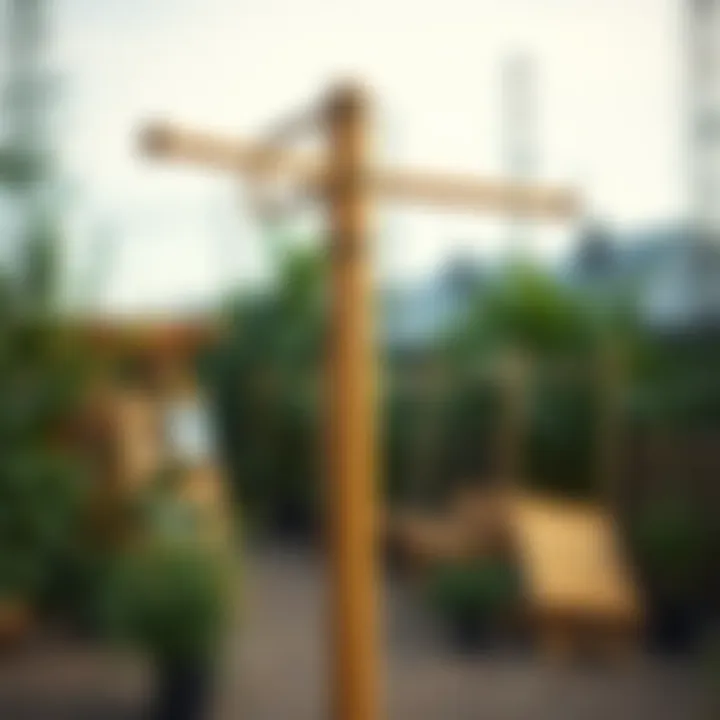
- Inspect for Signs of Wear: Be on the lookout for cracks, splinters, or soft spots in the wood. These can serve as early indicators of underlying damage.
- Secure Installation: Proper anchoring and support can help prevent leaning or collapsing. Using concrete footings or anchors in unstable soil can add to the life of your pole.
- Regular Cleaning: Keeping the poles clean from dirt and debris can help prevent moisture retention, reducing the likelihood of rot.
Maintaining structural integrity is essential not just for the pole itself, but also for the safety of your surroundings. A weak or compromised pole can pose a risk, especially in high wind conditions.
In summary, while wooden clothes poles can serve stylish and practical purposes, they come with their set of challenges. Understanding these limitations helps not only in making an informed purchase but also ensures that your investment serves you well over the years.
Alternatives to Wooden Clothes Poles
In the realm of drying and displaying clothes, wooden clothes poles have long held their ground, but they aren't the only players on the field. Exploring alternatives to wooden clothes poles can open up fresh avenues for homeowners, decorators, and designers who seek not only function but style and sustainability in their spaces. Each option offers specific benefits and considerations that are worth delving into further.
Metal and Synthetic Variants
Metal clothes poles, notably those made of stainless steel or aluminum, carry several advantages. For starters, they tend to be more robust than their wooden counterparts, standing firm against harsh weather conditions without compromising structural integrity. Given their longevity, these poles can serve your needs over the years, making them a worthwhile investment.
However, a few drawbacks often come into play. Metal can heat up quickly in the sun, which may not be ideal for drying delicate fabrics, as intense heat can cause fading. Furthermore, rust is a frequent concern unless they come coated with specific treatments, making upkeep essential.
Synthetic options, such as those made from high-density polyethylene (HDPE) or polyvinyl chloride (PVC), have emerged as a practical alternative as well. These materials resist moisture and UV rays, promoting durability while having the added beauty of versatility in design. For instance, they come in various colors and shapes to blend seamlessly with any outdoor décor. Yet, the key consideration remains the environmental impact of producing synthetic materials. Compared to natural wood, these variants often have a higher carbon footprint and are less biodegradable.
Portable Options
For those who prefer convenience, portable clothes poles present a fantastic solution. These options often come in collapsible forms, making them easy to set up and transport for activities like camping or even when you're just out in the backyard. They're typically lighter than both metal and wood, removing the hassle during storage or when moving them around.
When looking at portable poles, umbrella-style designs standout. They not only provide ample line space for drying clothes but quickly fold away when not in use. This allows homeowners to maximize outdoor space while keeping their living areas tidy and organized.
Moreover, portable options can be made from a variety of materials, including lightweight aluminum or durable plastic, catering to different preferences and needs. But potential downsides also exist—the stability during windy conditions can be a concern, leading to clothes being blown about if not secured properly.
"Choosing the right alternative to wooden clothes poles can greatly enhance the functionality and aesthetic appeal of your outdoor space."
In summary, while wooden clothes poles have their unique charm, exploring metal, synthetic, and portable alternatives opens the door to greater variety and sustainability in home design. It's all about aligning your personal needs with these options, ensuring that whatever choice you make satisfies both practicality and style.
The Role of Wooden Clothes Poles in Sustainable Living
Wooden clothes poles are not merely functional items; they encapsulate a broader narrative on sustainability and eco-friendly practices that align with contemporary living. The importance of incorporating wooden clothes poles into daily life hinges on their contribution to reducing carbon footprints and promoting a greener lifestyle. In an era where the climate crisis looms large over our heads like a dark cloud, integrating these natural items into our homes speaks volumes about a conscientious approach to living.
When we consider the sustainability aspect, it's essential to explore how wooden clothes poles can benefit individuals and communities alike. Beyond their utility in drying clothes, they symbolize a shift toward more sustainable practices. By opting for wooden over plastic or metal alternatives, consumers support industries that prioritize renewable resources. This transition could serve as a catalyst for larger shifts in market dynamics aiming for sustainability.
Eco-Friendly Practices
Utilizing wooden clothes poles is a key component of eco-friendly practices that resonate with the ideals of sustainable living. Here’s how they play a pivotal role:
- Biodegradability: Unlike their plastic counterparts, wooden clothes poles are biodegradable. When they finally reach the end of their life cycle, they break down naturally, avoiding long-term damage to the environment.
- Local Sourcing: Many regions offer locally sourced wood for building clothes poles. By purchasing these, consumers can reduce transportation emissions and support local economies.
- Low Energy Manufacturing: The manufacturing process of wooden poles is often less energy-intensive than that of plastic alternatives, involving simpler production methods and fewer chemical treatments.
"Sustainable living isn’t about doing away with everything, but making better choices, like choosing wooden over synthetic materials when practical."
To maximize the benefits, individuals should seek out sustainably sourced wood, which not only assures a minimal ecological impact but also supports responsible forestry practices.
Community Initiatives
Beyond individual efforts, wooden clothes poles can function as focal points for community initiatives, fostering collective efforts toward sustainability. Here are a few ways communities can leverage wooden clothes poles:
- Community Drying Projects: Groups can promote communal areas equipped with wooden clothes poles. Such setups can encourage communal laundry days, bolstering social ties while reducing energy use.
- Workshops and Education: Communities can host workshops to create their own poles or learn about the benefits of using wooden over synthetic options. Sharing knowledge enhances community awareness about sustainable practices.
- Local Art Installations: Some communities might even integrate wooden clothes poles into public art projects, using the poles as canvases for artistic expression while promoting sustainability awareness.
By fostering these initiatives, wooden clothes poles can become more than mere tools—they can serve as catalysts for community engagement and environmental stewardship. By creating an environment that prioritizes sustainability, we can build a more resilient future, one wooden pole at a time.
Epilogue
In the realm of home design and functionality, wooden clothes poles occupy a unique position, merging practicality with an aesthetic appeal that is hard to ignore. This article has delved into various facets of wooden clothes poles, from their construction to their role in sustainable living. Understanding the significance of these structures goes beyond mere utility; it spans environmental consciousness and personal aesthetics.
Summary of Key Points
The following points encapsulate the essence of what we’ve discussed:
- Materials Matter: The type of wood chosen can significantly impact durability and visual charm. Softwoods bring lightness and accessibility, while hardwoods offer longevity and resilience.
- Aesthetic Integration: Wooden clothes poles can beautify living spaces, serving as both functional tools and decorative elements that enhance the overall ambiance.
- Practical Versatility: Whether for drying clothes in a backyard or as a statement piece indoors, wooden poles offer various advantages that other materials might lack.
- Sustainability Focus: In today’s eco-conscious world, opting for wooden clothes poles fosters a connection with nature, supporting sustainable sourcing and environmental wellness.
- Maintenance Imperatives: Like any wooden structure, these poles require regular care to ensure they stand the test of time while retaining their functionality and charm.
Final Thoughts and Considerations
The journey through the world of wooden clothes poles indicates their indispensable role in both practical and aesthetic dimensions of home environments. As designers, homeowners, decorators, realtors, and stylists navigate modern living spaces, the consideration of how such elements integrate into an eco-friendly and stylish context becomes paramount. Choosing wooden products isn’t merely about personal preference; it reflects a broader commitment to our planet and its resources. So the next time you ponder on a structure for drying clothes or adding an artistic touch to your home, remember that a wooden clothes pole might just bridge the gap between functionality and beauty, while making a statement about sustainability.