
Enhancing Spaces with Motion Sensor Closet Lights

Intro
In the realm of modern interior design, every element within a space plays a vital role in shaping not just aesthetics but also functionality. Among these elements, motion sensor closet lights have emerged as a noteworthy innovation. They represent a marriage of practicality and sleek design, reflecting our evolving lifestyles and needs. No longer is proper lighting relegated to mere decoration; it has become a central player in how we experience our homes.
This article seeks to illuminate the significance of integrating motion sensor closet lights into contemporary interiors. It will cover the underlying technology driving these fixtures, explore their manifold benefits—including energy efficiency and convenience—and provide guidance on their selection and installation. Homeowners, decorators, and even realtors stand to gain from understanding how these lights can elevate their spaces, ensuring that every corner not only shines but also serves a purpose.
What behaves as a simple installation can transform cluttered closets into organized sanctuaries, require less energy than traditional lighting, and ultimately create a seamless experience in your daily routines.
Let’s dig in deeper to understand the role of motion sensor closet lights within diverse furniture styles and material choices.
Prolusion to Motion Sensor Closet Lights
In today's world, where convenience and efficiency reign supreme, motion sensor closet lights stand out as a practical marvel in the realm of interior design. These fixtures not only enhance the aesthetic appeal of a space but also imbue it with functionality that is hard to beat. Imagine stepping into a closet or pantry, and the light flickers to life the moment you cross the threshold—an invitation to discover what lies within without fumbling in the dark.
The importance of this topic lies in its relevance to modern living. As designers, homeowners, and decorators seek ways to simplify their lives, motion sensor lights emerge as an unassuming yet significant component of contemporary interiors. They blend innovation with ease, addressing the common pitfalls of traditional lighting. No more wrestling for a switch while juggling hangers or items; motion sensor lights offer a seamless transition from shadow to brightness.
Moreover, these lighting solutions promote energy efficiency as they operate only when needed, automatically turning off after a set period of inactivity. The environmental impact is clear: less electricity used means a smaller carbon footprint. In a world increasingly focused on sustainability, this aspect cannot be overstated.
As we delve deeper into this article, we will discuss the technical underpinnings of motion sensor technology, the myriad benefits of implementing these lights in various spaces, and essential considerations for selection and installation. This guide aims to provide designers, homeowners, and real estate professionals with in-depth insights to optimize functionality and aesthetics through innovative lighting solutions.
Defining Motion Sensor Technology
At its core, motion sensor technology captures physical movement, triggering an automatic response—in this case, lighting. But how does this magic work? Most commonly, these systems utilize either passive infrared (PIR) sensors or ultrasonic sensors.
- Passive Infrared Sensors: These sensors detect body heat. When a warm object—like a person—passes by, the sensor activates the light. They are ideal for closets or spaces where movement is limited, but human presence is still likely.
- Ultrasonic Sensors: Unlike PIR, these sensors emit high-frequency sound waves and monitor their reflection. When a person enters the space, the returning waves are altered, prompting the sensor to switch on the light. They are useful in areas requiring detection of smaller movements, making them versatile for varied settings.
With increasing advancements in technology, many modern motion sensor lights come with adjustable sensitivity settings, detection ranges, and timers. This flexibility allows users to customize their lighting experience to suit different rooms and needs, making these fixtures not just a utility, but a cornerstone of thoughtful design.
In the sections to follow, we will examine the wide-ranging benefits of these innovations, the styles they complement, and how to choose the right models for various home environments. Whether you are redesigning a closet or renovating a home, motion sensor closet lights are poised to brighten your journey.
The Benefits of Motion Sensor Closet Lights
Motion sensor closet lights are not just a trendy addition to homes; they bring significant functionality to interior design. In today's busy world, where convenience meets style, these lights play an essential role in enhancing our daily experiences. Understanding their benefits can pave the way for more efficient, stylish, and sustainable living spaces, ultimately making life a little smoother.
Energy Efficiency and Sustainability
One of the standout advantages of motion sensor closet lights is their sheer energy efficiency. These lights are designed to activate only when needed. By detecting motion, they eliminate the need for leaving lights on unnecessarily, which can accumulate costs over time.
- Cost Savings: The reduction in energy consumption leads to lower utility bills month after month. For example, a household that switches to motion sensor lights might see a 25% decrease in energy usage in closets or storage areas—not too shabby, right?
- Eco-Friendly Impact: The ecological footprint shrinks as well. By minimizing energy waste, homeowners contribute to a smaller carbon footprint. This aligns perfectly with modern goals for sustainability.
- Long-Lasting Technology: Many motion sensor lights come with LED bulbs, which not only use less power compared to traditional bulbs but also last much longer. This longevity makes them a smart investment for the environmentally-conscious decorator.
"Incorporating energy-efficient fixtures isn't just good for the wallet; it's good for the planet."
Enhanced Convenience and Accessibility
Incorporating motion sensor closet lights enhances convenience in an irreplaceable way. Ever found yourself fumbling around in the dark, searching for something specific in a closet? Those days are over.
- Hassle-Free Lighting: Imagine walking into your closet, and the lights just flick on. No more hunting for the switch; the light greets you as you enter. This is particularly beneficial for families with young children or elderly members, who may struggle with awkwardly placed switches.
- Hands-Free Functionality: For those who are juggling packages, groceries, or kids, having a light that activates automatically is a game changer. The freedom of not having to touch a switch makes life a little easier – and safer.
- Space Optimization: Closets and storage areas often are not just for clothes; they serve multiple functions. With motion sensor lights illuminating every corner, it encourages better organization and access to stored items, thus optimizing the space.
Improving Safety and Security
Lights are often synonymous with safety, and this rings particularly true with motion sensor closet lights. They serve multiple safety purposes that go beyond just aesthetics.
- Illumination for Navigation: When darkness falls, having a light that activates makes it safer to navigate tight spaces. It reduces the risk of accidents—no one wants to trip over a shoe or knock over a stack of boxes.
- Deterrent for Unwanted Intruders: In terms of security, the presence of motion sensor lights, even in internal spaces, can provide an added sense of comfort. Burglars might think twice before entering a well-lit home. Even a dimly lit area can signal that someone is home.
- Emergency Preparedness: In a situation where you need to get to your emergency supplies or escape routes, having light that turns on immediately can make a significant difference in response time.


By positioning motion sensor closet lights strategically throughout one’s home, individuals not only enhance daily convenience but also create more accessible, safer environments for everyone. The benefits here cover so many aspects of modern living that they become integral to thoughtful interior design.
Different Types of Motion Sensor Closet Lights
Motion sensor closet lights come in a variety of types, each designed to offer unique advantages depending on the space and purpose. The right choice can significantly impact not only how well a closet is illuminated but also the overall functionality of the room. Understanding these different types equips designers and homeowners alike to make informed decisions that enhance aesthetics and practicality.
Wired vs. Wireless Options
When considering motion sensor closet lights, one of the primary distinctions to make is between wired and wireless options. Wired lights typically require an electrical source and installation by a qualified individual, often leading to a more permanent solution. These are suitable for homeowners who want a streamlined look without the concern for batteries dying.
On the other hand, wireless lights are a boon for renters or anyone looking to reduce installation hassles. They tend to run on batteries or even solar power. The flexibility of these fixtures allows users to reposition them as needed, catering to changes in storage or decor without worrying about wiring limitations.
Deciding between wired and wireless options often boils down to personal preference, existing infrastructure, and the level of commitment to a particular design.
LED vs. Traditional Bulbs
The type of bulb utilized in motion sensor closet lights can make a notable difference. LED bulbs are increasingly popular due to their energy efficiency and long lifespan. Unlike traditional incandescent bulbs, which consume more power and burn out quicker, LEDs draw far less energy while providing ample illumination. This brings significant long-term cost savings—a vital consideration for any homeowner seeking to enhance sustainability in their space.
While traditional bulbs still have their charms, such as warmth in light quality, they lack the efficiency and longevity of LEDs. Homeowners may also want to consider how the color temperature might affect the closet's overall look. Ideally, a warmer color temperature creates a welcoming vibe, while cooler tones can offer a modern aesthetic.
Integrated vs. Standalone Fixtures
A final distinction in the types of motion sensor closet lights is between integrated and standalone fixtures. Integrated fixtures are those in which the motion sensor and light source are part of one unit, often producing a clean and minimalistic look. This can be particularly appealing in modern design schemes, where the ambition is a sleek, uncluttered aesthetic.
Standalone fixtures, in contrast, can offer more versatility. These lights can often be placed in various locations, allowing homeowners to customize their lighting via multiple setups. Standalone options could include pendant lights, spotlights, or even portable battery-operated fixtures. They let users express creativity when it comes to lighting—important for those looking to personalize spaces easily.
Key Features to Consider
When delving into the world of motion sensor closet lights, several features jump to the front of the line, making up the very backbone of functionality and user experience. It isn’t merely about having a light flick on with one’s presence; it’s about finding a perfect balance between utility and style, especially in the nuanced realm of interior design. Exploring these features ensures that every homeowner, designer, and decorator understands what truly elevates these fixtures beyond mere convenience.
Sensitivity and Range of Detection
The sensitivity and range of motion detection can make all the difference. Not every light is created equal. Some fixtures can sense movement from a few feet, while others boast a much wider detection range that can reach up to 30 feet or more. This variance isn't just technical jargon; it impacts how users interact with their space.
- Adjustment Features: Some models allow for sensitivity adjustments, letting users dictate how responsive they want the light to be. This is particularly useful in busy households where pets or kids might unintentionally trigger the lights.
- Heat Detection: Many advanced sensors work by detecting body heat rather than merely movement, which can minimize false activations but is limited when it comes to wider areas.
Choosing the right sensitivity settings leads to a more seamless experience. You wouldn’t want lights turning on every time a breeze wafts through, for instance. A well-chosen sensor enhances the functionality of any closet, ensuring ample light when needed but remaining unobtrusive at other times.
Installation Requirements and Complexity
Installation is another critical aspect to keep in mind. While many motion sensor lights promise ease and simplicity, the reality can sometimes differ, particularly if one delves into wired options.
- Wired Models: Require some electrical knowledge and may call for hiring a professional. Homeowners should prepare to navigate through walls and possibly deal with circuit breakers.
- Wireless Options: Offer plug-and-play convenience, often needing just double-sided tape or screws to secure them. They provide flexibility in positioning but require batteries, adding ongoing costs and a need for replacements.
Understanding these nuances improves the decision-making process. A person seeking a fast and easy solution for their closet might steer clear of wired models entirely. Always better to weigh the options against one's comfort level with tools and technical requirements.
Design Aesthetics and Compatibility
Last but not least, one cannot overlook the aesthetic element. Motion sensor closet lights come in various styles and designs, and finding ones that seamlessly blend into existing décor can greatly enhance the space’s overall look. A few considerations include:
- Style Variation: From sleek and modern to classic or vintage designs, the market caters to eclectic tastes. Knowing what's available will allow homeowners to make choices that reflect personal fashion.
- Finish Choices: Options like brushed nickel, matte black, or polished chrome add to the versatility. Mixing and matching these can be a fun way to elevate the entire closet design.
Moreover, integrating lighting that complements furniture and colors will create an inviting atmosphere. Instead of making the lighting an afterthought, thoughtfulness around design fosters a sophisticated environment.
Installation Guidelines for Motion Sensor Closet Lights
Setting up motion sensor closet lights in your home is essential for both aesthetic appeal and practical functionality. This section will delve into the key factors to consider for a successful installation, ensuring that these innovative fixtures serve their purpose efficiently.
Choosing the Right Location
Determining the best spot to place these lights is not merely about functionality; it converges with how they blend into the overall design of your space. Here are some important points to ponder:
- Access Points: Position your motion sensors in areas where you typically enter your closet. By not placing them near corners or concealed areas, you ensure the sensor detects motion properly.
- Height Matters: Keep in mind the height at which you install these lights. Generally, positioning them around 6 to 7 feet off the ground allows for optimal detection range.
- Avoid Obstructions: Ensure that nothing blocks the sensor's view. Be mindful of clothing hanging down or storage boxes that might disrupt the sensor's ability to work effectively.
- Consider Light Levels: Consider the amount of natural light in the closet. If the space tends to be bright due to windows or nearby light sources, you may want to select sensors with adjustable sensitivity settings.
Step-by-Step Installation Process
Installing motion sensor closet lights is straightforward. Here's a simplified guide to ensure a seamless setup:
- Gather Tools and Materials: First, collect your materials—tools like screwdrivers, wire strippers, and, depending on the fixture, potentially a drill and screws.
- Turn Off Power: Before commencing installation, ensure safety by switching off power to the area where you'll work.
- Mounting the Fixture: Depending on whether you choose a hardwired or battery-operated model, affix the mounting bracket securely to the wall or ceiling. Use a level to guarantee that it’s straight.
- Electrical Connections: If it's a wired unit, connect the wires according to the manufacturer's instructions. Usually, this includes connecting the ground wire and aligning the hot and neutral wires properly.
- Testing the Motion Sensor: After securing everything, turn the power back on and test the motion sensor. Walk into the closet to confirm it activates the light as expected. Adjust sensitivity settings if necessary.
Troubleshooting Common Installation Issues
Even with careful consideration, problems can arise during installation. Here’s how to tackle common issues:
- Sensor Not Activating: Check if the power supply is functioning correctly. Also, ensure that there is no obstruction blocking the sensor's view.
- Inconsistent Lighting: If the light turns on and off unexpectedly, it might be due to sensitivity being set too high or low. Adjusting the sensitivity can often remedy this issue.
- Installation Too Complicated? Some might find the process too intimidating. In such cases, seeking the help of professionals or watching step-by-step video tutorials can clarify things.
"Proper installation paves the way for success; it’s akin to laying a solid foundation for a house. "
Cost Considerations
When it comes to integrating motion sensor closet lights into your home, financial aspects become crucial. It’s not just about the price tag on the box; understanding the entire financial landscape could save you a pretty penny down the line. This section dives deep into the components of costs involved and why they deserve your attention.
Initial Investment vs. Long-Term Savings
The first consideration when looking at motion sensor closet lights is the initial investment. Yes, you may spend more upfront, especially if you're opting for higher-quality products, but let's not forget the golden rule of any smart buy: you get what you pay for. Motion sensor lights typically come in a range of prices. Cheaper versions may feel like a steal but can often fall short on performance or longevity.
"Investing a little today could yield savings tomorrow."
Considering the long-term implications, higher-quality lights might use energy more efficiently, thereby reducing your electricity bill. Think of it this way: the investment in an energy-efficient LED light can pay itself off in just a year or two through energy savings. Over time, you might find that the extra upfront cost translates to a smaller dent in your wallet than expected. Cost savings often come in the following forms:
- Lower energy bills: Energy-efficient models consume far less power.
- Reduced replacement costs: Higher quality often means longer life.
- Less maintenance: A more durable light will require fewer repairs.
It's essential to weigh these factors and consider how the initial cost impacts your overall bottom line. This balance between upfront spending and future savings is what makes certain models worth every penny.
Comparing Costs of Different Models
Once you've established a budget for your initial investment, the next step is to compare various models. Not all motion sensor closet lights are made equal, and they come in varied price ranges depending on features and functionalities. Here are some aspects to consider when evaluating costs:
- Brand reputation: Established brands often provide reliable performance but may cost more.
- Technology: Lights that integrate smart technology or advanced sensors typically have a higher price point due to enhanced capabilities.
- Design choices: Aesthetic features, such as finishes and designs, can bump up the cost significantly.
When you’re browsing, it might help to create a comparative checklist. You could take notes on various aspects, like:
- Price: Always write down the price first and consider your budget.
- Energy consumption rating: Check out how much electricity these lights use.
- User ratings and reviews: Real-world experiences can guide your decision.
In the grand scheme, the right choice might save you a boatload in energy costs or replacement woes. Arming yourself with knowledge before making a decision will pay dividends in the long run. Remember, it’s about finding that sweet spot where your wallet and your home’s functionality meet harmoniously.
Integrating Motion Sensor Closet Lights into Home Decor
When it comes to contemporary interior design, the integration of technology plays a vital role in both aesthetics and functionality. Motion sensor closet lights exemplify this balance perfectly, marrying convenience with an eye for style. These fixtures do not just illuminate a space; they can enhance the overall design while delivering practical advantages. Understanding how to effectively integrate motion sensor lighting into home decor is crucial for homeowners, designers, and anyone keen on creating a harmonious living environment.
Selecting Complementary Styles
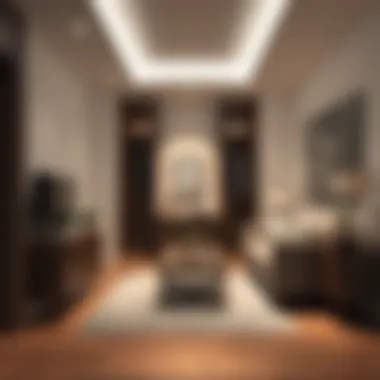
Choosing the right motion sensor closet lights involves more than just functionality; it’s also about blending styles. Different designs can either enhance or detract from a room’s aesthetic. Here are some elements to ponder when selecting lights:
- Fixture Design: Look for lights that match or complement your closet design. For instance, sleek, modern fixtures work well in contemporary spaces, while vintage-style lights can add character to rustic or conventional decor.
- Material: The materials used in the lights should harmonize with existing elements, such as wooden cabinets or metal racks. A wood-finish light can seamlessly blend with wooden furnishings, while sleek metal fixtures can give an industrial vibe.
- Color Temperature: The hue of the light can set the mood of the space. Warm white light can create a cozy atmosphere, while cooler whites may provide a more energetic and bright feel.
In providing these options, it’s essential to position yourself as a thoughtful designer or homeowner, understanding how each choice impacts the overall space.
Maximizing Functional Spaces
Integrating motion sensor closet lights goes hand-in-hand with optimizing the functionality of the area. Closets, often seen merely as storage, can be transformed into more organized and accessible spaces with the right lighting. Here are some strategies to maximize functionality:
- Strategic Placement: Installing lights at entry points ensures that paths are illuminated as soon as someone steps inside. This is particularly important in dark or cramped closets, where visibility is often lacking.
- Utilizing Light Layers: Combining motion sensor lights with other types of lighting, like ambient or task lighting, can create a layered effect that enhances usability. For instance, combining overhead motion sensors with a directed light on a dressing table is a smart approach to provide comprehensive illumination.
- Adjustable Settings: Some motion sensor lights come with adjustable sensitivity and modes, allowing users to set preferences based on their needs. This flexibility can adapt to different times of day or types of activities, making the space more user-friendly.
These functional integrations not only improve usability but also elevate the closet from a mere storage area to a well-designed part of the home.
"In the world of design, even the smallest details can make the biggest impact."
User Experiences and Reviews
Understanding user experiences and reviews is crucial when discussing motion sensor closet lights. These insights can greatly impact decisions for designers, homeowners, and decorators alike. With a product that promises both functionality and style, the feedback from real users often reflects the practicality behind these high-tech gadgets. People typically share their personal encounters, shedding light on both the advantages and shortcomings of these fixtures.
User reviews can point out key benefits such as energy savings, ease of installation, and overall functionality. For instance, a homeowner might rave about how their new lights have turned their previously dark closet into a brightly lit space, responding instantly when someone enters the room. This feedback is not just anecdotal; it helps potential buyers visualize how these lights will fit into their own settings.
Another aspect to consider is the diversity of experiences among different demographics. Some may appreciate the added convenience when their hands are full; whereas others might highlight the frustration of false triggers. In evaluating these experiences, the goal is to create a balanced understanding of what to expect and identify which features matter most.
Real-World Applications
Motion sensor closet lights have found their niche in various applications beyond just closets. Their adaptability is one reason why they have become favorite items in many homes.
- Home Closets: Most users install them in actual closet spaces, seamlessly illuminating the interior when they open the door.
- Pantries: In a dark pantry, these lights can be a game-changer, lighting the way for midnight snack runs without fumbling for a switch.
- Hallways: Utilizing these lights in narrow hallways provides a sense of safety, as lights activate when someone walks past. This is especially helpful during the night.
- Garages: The unpredictability of garage spaces makes motion sensor lights a brilliant choice, ensuring visibility whether you're carrying groceries or tools.
From a design perspective, integrating these lights into various settings can elevate luxury without cluttering spaces with visible switches and cords. It's about harmonizing functionality with aesthetics.
Consumer Satisfaction Reports
Consumer satisfaction can serve as a litmus test for any product. When it comes to motion sensor closet lights, many reports indicate a high level of satisfaction rooted in their operational efficacy and ease of use. Common themes emerge in satisfaction surveys:
- Reliability: Many users report that the lights activate promptly without unnecessary delays, establishing their reliability.
- Durability: High marks are given to models that withstand wear and tear, maintaining performance over time.
- Energy Efficiency: Consumers frequently highlight the reduced energy bills, appreciating the automatic shut-off feature when the area is vacated.
"The more I learn about these lights, the more I appreciate not just their capabilities but their seamless integration into everyday living. They seem to anticipate your needs in ways that old-fashioned lights just can’t."
These reports often include comparisons to traditional lighting options, with many users noting they wish they had made the switch sooner. For homeowners eager to balance elegance and efficiency, these reviews are more than just glowing endorsements; they provide a roadmap to well-informed choices. Mapping their experiences helps others navigate the potential landscape of motion sensor lights, armed with the knowledge of what works best where.
Epilogue
In closing this exploration of motion sensor closet lights, it’s essential to recognize their notable role in modern interior design. These lighting solutions are not merely functional; they are becoming an integral part of the aesthetic and practical layout of homes. As we’ve discussed, their presence enhances the ease of navigating spaces and elevates the overall decor. The marriage of convenience and energy efficiency they offer makes them a compelling choice for today’s design-minded individuals.
The Future of Lighting Solutions
As technology continues to advance, the future of lighting solutions appears to be on an exciting trajectory. Motion sensor closet lights are evolving beyond basic functions and integrating smarter technology. For instance, we might soon see:
- Adaptive Lighting: Future models could adjust their brightness based on the time of day or the amount of natural light in a room.
- Integration with Smart Home Systems: Imagine a system where your closet lights communicate with your home’s security system, turning on or off based on movement detected in surrounding areas.
- Sustainable Innovations: Look out for options employing solar power or other renewable energy sources, further reducing environmental footprints and energy costs.
"The future is not what it used to be." This saying rings particularly true in the realm of interior lighting. As devices get smarter, so do our expectations. Homeowners and designers alike are looking for elegant solutions that marry function with style, and motion sensor lights are pertinent to this ongoing evolution.
As designers, homeowners, decorators, and realtors ponder the next steps in enhancing spaces, motion sensor closet lights will undoubtedly be at the forefront. Their utility will transform how we perceive and utilize light within our homes, ensuring both safety and convenience while beautifully illuminating spaces. The integration of these systems in future designs is not just a possibility; it’s a step towards a smarter, more efficient way of living.
With the heightening demand for efficiency and innovation, embracing motion sensor closet lights could very well be pivotal in optimizing functionality in our homes today and in the years to come.
For more information on innovative lighting solutions and their impact on design, consider checking out Wikipedia on Lighting.
For further discussions, visit relevant threads on Reddit or explore design inspirations through Pinterest.
As we look ahead, the integration of motion sensor technology in our homes will not only enhance how we experience light but will also become a hallmark of modern living.