
Exploring the Allure of Giant Wall Sculptures


Intro
Giant wall sculptures have become not just a trend but a crucial element of the modern artistic landscape. Their significant presence in both public and private spaces challenges our notions of scale, beauty, and functionality. Communities are increasingly embracing these large-scale artworks, integrating them into urban narratives that reflect local culture and history. As these sculptures captivate audiences, they also provoke critical thought about how art can interact with architecture and environment. In this exploration, we will dive into the intricate world of giant wall sculptures, examining their historical roots, artistic techniques, and their far-reaching impact on contemporary design and urban aesthetics.
Historical Significance
Giant wall sculptures are not merely a modern phenomenon; their roots can be traced back to ancient civilizations. From the intricate carvings of ancient Egypt to the monumental reliefs gracing Roman structures, these works served not only decorative purposes but also represented societal values. As architects like Antoni Gaudí and Miguel Ángel studied form and texture, they laid the groundwork for the integration of sculpture within architecture.
Fast forward to contemporary times, artists have continued to evolve this tradition. The murals and elaborate bas-reliefs that now adorn urban centers tell stories, commemorate communities, and become talking points in design discussions that spark interest and engagement.
Artistic Merit
When discussing giant wall sculptures, one must not overlook the artistic creativity involved in their conception and realization. Artists employ a variety of materials, including wood, metal, stone, and even recycled elements, transforming them into eye-catching focal points that convey messages on social issues, culture, and identity. Unlike smaller pieces, these sculptures operate on a much grander scale, requiring both artistic vision and technical know-how.
The craftsmanship involved often leads to collaborative efforts between artists and architects, resulting in harmonious synergies that blend structure and artful expression. Each piece can provoke different emotional reactions depending on its aesthetic and context, demonstrating that size does not diminish the power of art; rather, it amplifies it.
Tools and Techniques
The techniques behind creating giant wall sculptures are as diverse as the artists who conceive them. Common methods include:
- Mold making: This allows artists to replicate intricate designs without losing detail.
- Mixed media: Utilizing various materials lends depth and character, with examples ranging from glass to textiles being seamlessly integrated.
- Digital tools: Many contemporary artists utilize CAD software to design their pieces, ensuring precise measurements and proportions, which is vital in large-scale installations.
Adapting these technologies, artists can not only bring their visions to life but also tap into contemporary themes appropriately suitable for modern audiences.
Impact on Urban Design
Giant wall sculptures do not merely exist in isolation. Their placement within cities can dramatically alter perceptions of space. These works inject life into otherwise mundane environments, challenging passerby’s notions of aesthetic and functional spaces. Often, these artworks benefit from thoughtful urban planning, reinforcing community identity and igniting conversation among residents.
"Public art, especially large-scale works like wall sculptures, can transform urban landscapes, enriching cultural experiences and enhancing community pride."
— Urban Art Advocate
Yet, the successful integration of these sculptures into urban design requires more than just artistic merit. Strategic placement holds significant importance. Factors like visibility, accessibility, and interaction with surrounding architecture must be thoughtfully considered.
Synthesis and Aesthetic Value
In concluding this exploration of giant wall sculptures, it is evident that their allure encompasses a rich tapestry of history, artistry, and design. They beckon to be experienced, not just as objects, but as dynamic entities that breathe life into their surroundings. By blending artistic expression with architectural narratives, wall sculptures challenge the boundaries of both art and environment. For contemporary designers, the path toward integrating these stunning works can undoubtedly set the stage for meaningful dialogue and transformative aesthetics in the spaces we inhabit.
As we continue to witness the evolution of these monumental creations, it is clear that they will remain a vital part of our cultural landscapes, capturing imaginations and sparking connections in ways that only large-scale art can.
Foreword to Giant Wall Sculptures
The significance of giant wall sculptures cannot be overstated in today’s artistic and architectural landscape. These pieces serve as monumental statements that reflect cultural heritage, technological advances, and artistic ambition. When we talk about wall sculptures, we refer to large-scale, three-dimensional artworks that transform ordinary spaces into extraordinary environments. Their importance lies not just in their visual appeal, but also in their ability to evoke emotion, provoke thought, and spur conversations among communities.
Giant wall sculptures become focal points, magnetic in nature, drawing the eyes and spirits of onlookers. They play a pivotal role in urban design and public spaces, encouraging people to engage with their surroundings in a more thoughtful way. In the current age, where space often bears the brunt of urban development, wall sculptures become islands of creativity and reflection, fostering a sense of identity and continuity.
As we navigate through this article, we will explore the intricacies of defining wall sculptures, follow their historical journey, and analyze the multifaceted cultural implications. The importance of understanding these works of art extends beyond mere aesthetics; it is about recognizing their complexity and allure within modern interior design.
Defining Wall Sculptures
Wall sculptures are sculptural forms affixed to a vertical surface, blending the boundaries between painting and traditional sculpture. Unlike freestanding sculptures that demand attention from all angles, wall sculptures engage with the backdrop they inhabit. They can vary widely from intricate carvings to abstract metal editions. An essential characteristic of these pieces is their ability to command space without overwhelming it, offering depth and texture that paint alone cannot achieve.
Furthermore, wall sculptures can serve various purposes. They can be decorative, functional, or serve as a symbolic representation of ideologies or cultural narratives. For designers, homeowners, and decorators, the selection of a wall sculpture requires careful consideration of the architecture, color palette, and overall design intent, ensuring the piece harmonizes rather than clashes within the environment.
A Brief History
The lineage of wall sculpture traces back to ancient civilizations. From the breathtaking reliefs of Egyptian tombs to the elaborate frescoes of the Renaissance, cultures across history have employed this medium to tell stories and honor the divine or the dead. In ancient Egypt, for instance, wall reliefs depicted gods and pharaohs, ensuring their stories transcended the mortal realm.
Fast forward to the modern era, artists have continually pushed boundaries. The 20th century saw movements such as in situ installations, where the sculpture is created directly onto the surface of a wall, thus integrating the art with a specific environment and context. This approach challenged the traditional perceptions of viewing art, encouraging audiences to become part of the narrative.
Today, the evolution of materials and technology has opened new avenues for artists. The juxtaposition of traditional and contemporary methods gives rise to bold and unexpected wall sculptures, challenging our understanding of space, relativity, and even sustainability.
As we journey through the following sections, it becomes evident that wall sculptures are not mere art pieces but are vital threads in the fabric of our built environment and culture. They resonate with the past, engage with the present, and inspire the future.
Cultural Implications
The significance of giant wall sculptures extends far beyond their physical presence. In the realm of cultural expressions, these massive artworks serve as a mirror reflecting the values, beliefs, and historical narratives of societies. When exploring this domain, one cannot overlook how these sculptures influence cultural identity and community connection.
Symbolism and Meaning
At the heart of giant wall sculptures lies a nuanced language of symbols. Each sculpture tells a story, embedding layers of meaning that often resonate deeply within the local populace. For instance, a wall sculpture depicting a traditional indigenous scene may hold immense cultural significance. It represents ancestral knowledge and traditions that are passed down through generations, encapsulating the essence of a community's identity.
Additionally, colors, shapes, and chosen materials are not simply aesthetic decisions but deliberate choices infused with meaning. Bright colors might symbolize joy or vitality, while dark hues could signify sorrow or struggle. The interplay between these elements invites viewers to engage in a dialogue with the artwork, provoking thoughts and feelings that might relate to their own lives or histories.
For many, these giant sculptures become landmarks, not just art pieces but cultural icons. They often evoke a sense of pride and belonging, turning public spaces into gatherings for community dialogues and celebrations. As such, they are pivotal in shaping civic engagement and fostering social cohesion.
Cultural Expression Through Art
The ability of wall sculptures to convey cultural expressions cannot be overstated. They transform plain, lifeless walls into vibrant canvases that celebrate local traditions, histories, and contemporary social issues. Such art forms break the mundane nature of urban landscapes and challenge the public's perception of art itself.
A bustling urban area, often dominated by commercial structures, is revitalized through a well-crafted wall sculpture. Consider the walls of the Wynwood district in Miami, adorned with murals that chronicle not only the city’s culture but also global movements. These engaging pieces invite passersby to pause, reflect, and appreciate the vibrancy of life around them.
Moreover, giant wall sculptures often act as a platform for cross-cultural dialogues. They encourage artists from different backgrounds to collaborate, merging diverse techniques and ideas into a unified expression of creativity. This fusion creates an environment rich in innovation and understanding, allowing individuals to appreciate perspectives different from their own.
In essence, through their monumental existence, giant wall sculptures provide a canvas that speaks volumes about the societal values and cultural narratives they embody. They become living testimonies to the changing tides of culture, revealing not only what has been but also what could be in the tapestry of human experience.
"Art is not a thing, it is a way." – Elbert Hubbard
Giant wall sculptures stand as a testament to this notion, acting as both the medium and the message within the cultural landscape.
Materials Used in Wall Sculptures
When it comes to giant wall sculptures, the choice of materials plays a pivotal role in defining not just the aesthetic quality but also the overall impact on viewers. Each material comes with its own set of characteristics that can influence the durability, visual texture, and maintenance requirements of the sculpture. Understanding these materials is essential for artists, designers, and anyone looking to incorporate these large-scale art pieces into their environments. As we explore this topic, it’s clear that materials do more than just form the sculpture; they tell a story, create a dialogue with the surrounding space, and resonate with cultural significance.
Traditional Materials
Traditionally, wall sculptures were crafted from materials that could withstand the test of time and hold significance in various cultures. Here are a few notable ones:
- Stone: Ancient civilizations often utilized stone due to its permanence and gravitas. Carving a wall sculpture from limestone or marble allows for a richness in detail that resonates with craftsmanship.
- Wood: Although more susceptible to the elements, wood has been a favored medium for its warmth and versatility. Sculptors can easily shape wood into intricate designs, making it a popular choice for folk and religious art.
- Clay: Teracotta, a form of clay, has been used since antiquity. It allows for detailed textures and colors, giving a lively aspect to sculptures. Its natural earthen tones can blend harmoniously with urban or rustic settings.
Sculptors often experiment with the combination of these materials to bring depth and dimension to their work. For instance, integrating stone and metal elements can create striking contrasts in surface texture, capturing viewers' attention and provoking thought about how these materials coexist in harmony.
Modern Innovations
Today, the scope of materials used in wall sculptures has expanded significantly with advancements in technology and a deeper understanding of art sciences. The realm of modern innovations includes:
- Recycled and Upcycled Materials: Artists are increasingly turning to everyday objects and materials that would otherwise be discarded. This not only reduces waste but also imbues the sculptures with layers of meaning related to sustainability.
- 3D Printed Elements: With the rise of 3D printing technology, artists now can create intricately detailed components that were once impossible to achieve by hand. This allows for a high degree of customization in sculptures.
- Light-Emitting Materials: Fiber optics and LED integrations enhance the visual experience, enabling sculptures to change based on light and time of day. This creates an interactive dialogue with the onlooker, as the piece evolves continuously.
The future may very well see an amalgamation of various materials, merging the traditional with the avant-garde. Such innovations support artists in making bold statements about identity and lifestyle, pushing the boundaries of what wall sculptures can express.
"Material selection in wall sculptures is akin to choosing the right canvas; it sets the tone for the entire piece."
As we reflect on the materials used, one can see that they are not mere mediums; they serve as vessels for artistic exploration. The right material can elevate a piece from ordinary to extraordinary, giving it a life that resonates across time and culture. As the art of wall sculpture continues to evolve, the relationship between materials and artistic vision will undoubtedly shape the landscapes of our urban environments and private spaces.
Techniques in Sculpture Creation
Giant wall sculptures are not just aesthetic marvels; they represent a convergence of artistry and engineering capabilities. The techniques employed in their creation are vital to ensuring both their visual impact and structural integrity. A well-executed sculpture can transform a cold, anonymous wall into a canvas that tells a story, reflects culture, or highlights a community's ethos. Here’s a closer look at the two main techniques involved in the world of wall sculpture: carving and modeling, and installation and engineering.
Carving and Modeling
In the realm of wall sculpture, carving and modeling are two sides of the same coin, both essential for bringing imaginative ideas into the three-dimensional world. Carving harks back to ancient traditions; it's akin to taking a solid block of material—be it stone, wood, or even synthetic substances—and chipping away to reveal the form hidden within. Artists like Michelangelo believed that the sculpture already existed in the stone; it was simply a matter of removing the excess.
Today, contemporary artists continue to use this technique, often incorporating modern tools to enhance precision and detail. This approach is impactful because it allows for organic textures that invite close examination. Sculptures made through carving often evoke a sense of history and permanence due to the enduring nature of the materials used.
Modeling, on the other hand, takes a different route. This technique generally involves using softer materials such as clay or wax to create form. Artists mold their visions by hand, allowing them to rework and refine their designs. This method offers flexibility; as ideas evolve during the creative process, such adjustments are easier with malleable materials. Sculptures born from modeling often feature flowing forms and intricate details, celebrating the artist’s personal touch.
In summary, whether through the ancient art of carving or the dynamic method of modeling, sculptors can convey a wide range of emotions and stories through their creations. The choice between these techniques can be influenced by factors such as the message the artist wishes to relay, the intended environment for the piece, or even just personal preference.
Installation and Engineering
While the artistic aspects of wall sculpture are often the topics of conversation, the less glamorous yet equally significant elements of installation and engineering cannot be overlooked. Installing a giant wall sculpture requires meticulous planning and execution to ensure that the piece not only looks spectacular but also remains safe and stable, especially in urban environments where it may be subjected to weather conditions or seismic activities.
When discussing installation, one cannot ignore the importance of collaboration between artists, architects, and engineers. The dynamic interplay among these professionals is critical. Artists articulate their vision while engineers translate that vision into practical solutions. For example, when installing a mural on a high-rise building, engineers must consider factors like the weight of materials and the wall's structural capacity— much like a ship captain must assess the sea before setting out.
Key considerations for successful installations include:
- Material Weight: Understanding how heavy materials might affect the installation site is crucial. What looks good on paper must work in reality.
- Mounting Techniques: Different surfaces and materials require varying mounting methods, from bolts to adhesive solutions. Each comes with its own set of challenges.
- Site Preparation: The installation site often demands modification. This might mean prepping the wall surface or reinforcing it to ensure longevity.
- Safety Regulations: Compliance with local laws and guidelines ensures that the installation is safe for both the public and the artist.
Ultimately, the integration of installation and engineering with artistic vision shapes the monumental nature of wall sculptures. It’s a perfect blend of art and science, each reinforcing the other to create a cohesive experience that resonates with viewers.
"Art can be dangerous. That's one of its joys."
Through a careful balance of carving, modeling, installation, and engineering, the allure of giant wall sculptures continues to captivate design enthusiasts, while simultaneously enhancing urban landscapes._
For further reading on the complexities of installation techniques, see Wikipedia on Sculpture and for recent innovations, articles on Britannica Art.
The Role of Scale in Art
The enormity of giant wall sculptures brings forth a compelling dialogue between art and space. When artists choose to work on this grand scale, they invite viewers to engage on a level that small pieces often cannot achieve. This section explores how the role of scale influences both perception and interaction within the artistic context.
Impact of Size on Perception
Size is not just a metric; it shapes how we experience art. In the realm of giant wall sculptures, the sheer magnitude can create an emotional resonance often unattainable with smaller works. For instance, a fifteen-foot sculpture cascading down a public building can induce awe and contemplation, drawing the eye and influencing the viewer's mood. This isn't merely about making a big impression; it’s about how the scale alters perception.
Research shows that larger artworks draw more attention, primarily because they dominate their surroundings. A piece like "The Big Bird" by artist Robert Rauschenberg, standing tall and bright, challenges viewers to confront their relationship with space and scale. One might feel both excitement and a touch of intimidation in such proximity.
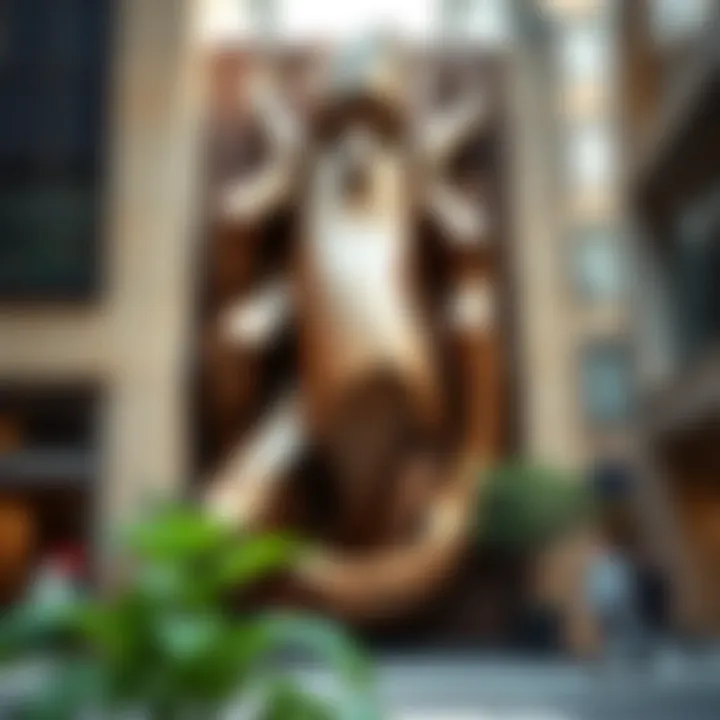
"When art is large, it commands space and time, asking the viewer to rethink what it means to occupy that space."
Consider how smaller sculptures might appear charming or intimate while their larger counterparts can transform the environment, often becoming defining aspects of their locale. This impact of size can evoke feelings of insignificance, reflection, or even empowerment.
Creating Dialogue with Space
Scale does more than just affect emotions; it establishes a conversation between the artwork and its physical environment. Wall sculptures that scale up to fit large buildings foster an interconnection that triggers thoughts about the space's function and significance. For example, walls that are stark and bare can become the canvas for breath-taking sculptures that infuse life and vibrancy into otherwise dull settings.
The way a sculpture interacts with its surroundings can also dictate the flow of the space. A kinetic piece made of reflective materials might play with light, prompting movement and a dynamic atmosphere within a static environment. By drawing the viewer’s eye in different directions, the artwork can reinvent how one navigates through a space.
Artists often find inspiration in the architecture surrounding their work. For instance, the enveloping curves of an organic sculpture can echo the angular lines of a modern building, creating a dialogue that bridges nature and industry. This ability to harmonize often elevates the piece beyond mere decoration, making it an integral part of the architectural narrative.
In this way, the giant wall sculpture doesn't just fill a space; it becomes an essential component, working to recontextualize the viewer's experience and understanding of the area.
The consideration of scale in these artistic endeavors is both a challenge and an opportunity for designers, homeowners, decorators, and urban planners. Large-scale sculptures don’t merely inhabit spaces; they redefine them, bringing new perspectives and creating deeper interactions with their environments.
Integration with Architecture
The interplay between giant wall sculptures and architecture is a relationship steeped in historical context and modern necessity. It shapes not just the aesthetics of buildings but also influences the way people interact with their surroundings. This section unravels the importance of this integration, highlighting specific elements, benefits, and critical considerations that must be kept in mind when looking at the merger of art and design.
Harmonizing Art and Design
Giant wall sculptures serve as a bridge between art and architecture, creating a visual dialogue that enriches both disciplines. When architects design a space, they often seek elements that will elevate the atmosphere and emotional response of a place, and that’s where these sculptures come into play. The fusion of these two forms often results in:
- Enhanced Visual Appeal: Artwork can transform sterile walls into captivating narratives, drawing the eye and generating interest.
- Symbolic Connection: Sculptures can express a community’s identity or history, embedding culture into the very fabric of a building.
- Spatial Dynamics: In large urban settings, wall sculptures can break the monotony of concrete, adding texture and promoting human interaction.
For example, consider a corporate office building where a giant sculpture depicts the city's historical journey. This not only beautifies the surroundings but also provides employees and visitors a sense of connection to the local culture while inviting them to reflect on their environment.
“Art has the power to transform spaces and minds, shaping the very essence of our daily encounters.”
Moreover, the material choices and design specifications of the wall sculptures can significantly influence the architectural integrity of a structure. When artists and architects collaborate from the very start, they create a seamless integration that respects both artistic vision and building requirements. This approach can mitigate issues like structural weight or weather resistance, making the final product not only visually stunning but practically viable.
Functionality in Urban Settings
The role of giant wall sculptures in urban settings cannot be overstated. They serve multi-faceted purposes beyond mere decoration. In densely populated cities where space is at a premium, these sculptures can serve as:
- Landmarks: They provide a point of reference, helping to define neighborhoods and contribute to civic identity.
- Community Engagement Zones: Sculptures, often interactive or placed in communal areas, encourage public engagement and dialogue.
- Urban Cooling Solutions: Strategically placed artwork can help reduce heat in urban areas, as many sculptures are designed to offer shade or influence air flow.
Cities like Chicago, with its numerous large-scale sculptures, showcase how integrations can elevate public spaces. The Cloud Gate, or “The Bean,” not only serves as an iconic monument but also invites locals and tourists to gather, reflect, and even take photos — a testament to the power of integrating art into urban life.
When it comes to urban planning, the utility of these massive pieces often outweighs the initial skepticism about their placement or maintenance. Proper planning can result in sculptures that not only enhance the overall aesthetic of an area but also create functional spaces for activities, gatherings, and celebrations. This dynamic consideration encourages city planners and designers to think about wall sculptures as integral elements of spatial design.
This fusion of artistic expression and architectural functionality ultimately elevates the urban experience, crafting environments that are not just livable but truly vibrant.
Giant Wall Sculptures in Public Spaces
Public spaces often tell the stories of a community, and giant wall sculptures play a vital role in shaping that narrative. They transform mere walls into canvases that reflect cultural history and local identity. Imagine walking through a bustling city street adorned with vibrant murals or intricate designs carved into concrete—this is where art intersects with everyday life, fostering a unique connection between the artwork, the environment, and the people.
Enhancing Civic Identity
Giant wall sculptures contribute significantly to civic identity by serving as symbols of pride and cultural heritage. When a community commissions a large-scale piece, it often reflects the values, history, and aspirations of the residents. This sense of ownership can be a rallying point for citizens.
- Cultural Reflection: A neighborhood with a high immigrant population might feature murals showcasing cultural landmarks from their homelands, celebrating diversity and unity.
- Legacy of History: In places where historical events shaped the community, wall sculptures can memorialize such moments, instilling a sense of continuity and respect for the past among the younger generations.
Through these pieces, residents often feel a heightened sense of belonging, as art transcends mere decoration and becomes a part of their shared experience.
Engagement with Community
Giant wall sculptures also serve as a medium for community engagement. They provide opportunities for collaboration among artists, residents, and local businesses, often turning a simple artistic endeavor into a community event. When residents feel involved in the artistic process, they are more likely to develop a vested interest in maintaining and preserving the artwork.
- Workshops and Events: Often, the creation of a sculpture can involve workshops where community members contribute their ideas or even assist in its execution, thereby fostering a hands-on connection to the artwork.
- Social Interaction: Public art can become a gathering point, encouraging locals to come together, share ideas, and celebrate their culture, leading to stronger community ties.
Through these engagement strategies, giant wall sculptures not only beautify the public space but also nurture an environment of collaboration and community spirit. As people gather to experience the art, they strengthen their relationships with one another and their urban landscape.
"Art enables us to find ourselves and lose ourselves at the same time." – Thomas Merton
Ultimately, the presence of these sculptures deepens the relationship between art, space, and audience, turning passive observers into active participants in their environment. In summary, giant wall sculptures serve not just as art but as vital components of civic identity and community engagement, where every piece tells a story and every story contributes to the collective heartbeat of a locale.
For further insights about the role of public art in fostering community connections, check out more at Wikipedia or Britannica.
Case Studies of Notable Sculptures
Examining specific case studies of giant wall sculptures can greatly enhance our understanding of their significance in the art world. These sculptures not only communicate artistic vision but also reflect the cultural contexts in which they were created. They convey messages through their forms and interactions with the surrounding space. By dissecting prominent works, we can gain insight into the methods, styles, and intentions behind these monumental pieces.
Prominent Artists and Their Works
Many artists have made their mark on the landscape of giant wall sculptures, each bringing unique perspectives and techniques to the table. Among them, Richard Serra holds a notable position. His colossal steel sculptures, like Torqued Ellipses, challenge viewers to perceive space differently. These installations invite introspection while allowing the outdoor realm to become an integral part of the sculpture's identity.
Another influential name is Louise Nevelson, known for her dramatic wooden wall pieces, which she called "assemblages". Her work often combined found materials, creating complex narratives through the interplay of light and shadow. One of her standout pieces, Sky Cathedral, utilizes a series of boxes and shapes to capture the viewer’s imagination, leading them to interpret the art based on their experiences.
On the contemporary front, El Anatsui creates stunning works that merge traditional craftsmanship with modern concepts. Using discarded materials, such as bottle caps, he crafts massive wall hangings, notably the Waste Paper Bags series. These works tell stories of consumerism and waste, stimulating conversations on sustainability and societal values.
Analyzing Impact and Reception
The impact of these sculptures often transcends aesthetic appreciation and delves into the cultural and societal realms. When Richard Serra's work was installed, it sparked lively debates about public art's role in urban spaces. The discussions ranged from the aesthetics of motion to deeper reflections on identity. Critics and supporters alike engaged, sometimes violently, showcasing how art can elevate discourse.
Louise Nevelson's art was met with both admiration and skepticism. While many hailed her as a pioneer in female artistry, others initially struggled to understand her approach. Over time, her work became emblematic of a new wave of feminist ideology within the art community, inspiring future generations to explore and define their voices.
El Anatsui, with his material choices, has drawn attention to the intricacies of human behavior and environmentalism. His sculptures invite touch, calling attention to the relationship between viewer and artist. As a result, they have often been credited with redefining the parameters of traditional sculpture by engaging audiences intellectually and emotionally.
The varied reception of these works underscores the dynamic nature of giant wall sculptures. They do not exist in a vacuum; instead, they resonate within communities, impacting how we perceive space and art. The conversations they spark are as significant as the sculptures themselves, turning each work into a communal dialogue.
"Art is not a mirror held up to reality, but a hammer with which to shape it." - Bertolt Brecht
By anchoring their historical and cultural importance through individual case studies, we can better appreciate the grandeur and complexity that giant wall sculptures represent in contemporary art and society.
Challenges in Creation and Installation
Creating and installing giant wall sculptures involves a ballet of planning, artistry, and logistical maneuvering. The grand designs we often marvel at don’t just spring forth from inspiration alone. Rather, they require a methodical approach to address myriad challenges that arise during the process. These are not just obstacles; they are pivotal points that, if navigated successfully, can turn a vision into a reality.
Logistical Complexities
When it comes to the physical aspects of installation, the logistics can feel like trying to fit a square peg into a round hole. From conceptualization to final placement, numerous factors intertwine. For instance, the size of the piece must be matched not only to the wall but also to the surrounding environment and infrastructure. This includes considering things like weight, securing fixtures, and even the local climate conditions.
Moving heavy materials requires specialized equipment. Heavy machinery like cranes or hoists are often indispensable.
- Transportation challenges: Transporting large-scale sculptures is not merely about getting it from point A to point B. There are obstacles such as narrow streets, weight limits on bridges, and even clearance beneath overhangs that need thoughtful navigation.
- Permitting processes: Depending on the location, one might have to secure permits, perhaps even clear local regulations. This bureaucracy can be a bottleneck that stretches timelines and budgets.
Installation is arguably the final act where artistic vision meets reality. Each piece must be carefully positioned, often involving adjustments based on unforeseen factors. It is a true teamwork endeavor where artists, engineers, and installers converge.
Environmental Considerations
It's not just the site that matters; the environment where the sculpture resides plays an essential role. Artists and planners might need to consider how climate affects both the material choice and the sculpture’s longevity. A few key points to ponder include:
- Weather resistance: Local climate can dictate material choice. For instance, more frigid areas might require different strategies to prevent materials from cracking or deteriorating frost-resistant coatings may be utilized.
- Biodiversity impact: The installed sculpture must harmonize with the local flora and fauna. Careful consideration must be given to how a new installation could impact the surrounding ecosystem.
- Sustainable practices: Contemporary art is increasingly looking toward sustainable practices. This may involve selecting materials that offer a lower carbon footprint or using renewable energy sources in the installation process.
In summary, the practicalities of creating and installing giant wall sculptures serve as both a challenge and an opportunity. By addressing these logistical complexities and environmental considerations, artists can ensure their work not only enhances the aesthetic meaning in a space but also stands the test of time, rooted firmly within the community and its ecosystem.
"An artist is never a puppet, nor should their environment be an afterthought. The excellence is in the details and the considerations made."
Art can often blur the lines between practicality and creativity; thus, navigating these challenges adds richness and depth to the work, making it all the more revered as a pivotal piece of public art.
Future Directions in Wall Sculpture
The world of giant wall sculptures is evolving rapidly, driven by technological advancements and a growing consciousness about sustainability. This section delves into these future directions, emphasizing how they can potentially reshape our perceptions of art and architecture while addressing pressing global issues.
Technological Advancements
As art continues to intersect with technology, the landscape of wall sculpture is no exception. Innovations such as 3D printing and augmented reality are providing artists with tools that were once unimaginable. For instance, artists can now create intricate designs that can be easily modified and reproduced, allowing for more experimentation without wasting materials. This flexibility encourages creativity and reduces the environmental footprint of sculptural work.
Moreover, digital fabrication techniques are changing how sculptures are conceived and made. Projects such as those involving robotic arms streamline the process, offering precision that traditional methods may lack. An excellent example can be found in the works of contemporary artists like Refik Anadol, whose pieces blend physical and digital realms, creating immersive experiences that push the limits of what wall sculptures can communicate.
In addition to production tools, technologies like AR can enhance how viewers interact with wall sculptures. Picture standing before a massive mural and using your smartphone to reveal layers of information—details about the materials used, the historical context, or even digital animations that articulate the artist’s vision. This interaction can enhance appreciation and understanding, making art more accessible to all.
Sustainability in Art
With an increasing focus on the environment, the art world is also reevaluating its practices. Sustainability in wall sculpture isn't just an afterthought; it's becoming part and parcel of the creative process. Artists are now turning to eco-friendly materials, such as reclaimed wood, recycled metals, and biodegradable composites, fostering art that respects the planet.
Furthermore, sustainable practices don't stop at materials. The method of installation is also being considered. Instead of traditional adhesives that can off-gas and harm the environment, some artists are now using lighter structures, enabling easier installation and a smaller carbon footprint. Such attention to detail doesn’t only benefit the environment, but it also paves the way for unique designs that work harmoniously with their surroundings.
"Art should be a reflection of our values. As we embrace sustainability, our sculptures should embody the beauty of that commitment."
— An inspiring quote from a leading eco-conscious artist.
In essence, the future of wall sculpture appears to be a crossroad of innovation and responsibility. Artists and designers who incorporate these advancements are poised not only to create stunning works but to lead by example, showing how art can address real-world issues while still providing aesthetic enjoyment. It is an exciting time for both artists and audiences as new possibilities unfold.
Epilogue
The topic of giant wall sculptures serves as a fascinating lens through which we can explore the intersections of art, culture, and architecture. These monumental creations are not merely decorative elements; they’re narrators of stories, reflections of societal values, and catalysts for communal engagement. Their importance cannot be overstated, especially in a world where urban spaces often feel impersonal and devoid of character.
Summary of Key Points
In delving into the world of giant wall sculptures, several key elements stand out:
- Historical Significance: These works date back centuries, often serving as markers of culture and time.
- Cultural Expression: They embody the spirit of communities, encapsulating local narratives and identities.
- Material Variety: From traditional clay to modern composites, the materials used can affect permanence and aesthetic appeal.
- Innovative Techniques: Artists today blend traditional methods with cutting-edge technology, expanding creative possibilities.
- Integration with Architecture: Wall sculptures bridge gaps between art and physical spaces, enhancing environments rather than detracting from them.
- Public Interaction: Large installations encourage community interaction, fostering a sense of belonging and pride.
Final Thoughts on Giant Wall Sculptures
In the landscape of modern design, giant wall sculptures have carved out a distinct niche. Their ability to transform mundane surfaces into dialogues between art and spectator elevates them beyond mere decoration. They challenge us to rethink our surroundings and inspire creativity in both public and private spaces.
As we look towards the future, the fusion of technology and artistry offers endless possibilities for how wall sculptures will evolve. Sustainability, community engagement, and inclusivity will likely play pivotal roles in shaping the direction of this vibrant art form. Artists should continue to craft these works with not just aesthetics in mind, but the deeper impact they have on the locales they inhabit.