Polaris Home Design: Insights into Modern Aesthetics


Intro
In today's fast-paced world, the way we design our homes can reflect our personalities, values, and aspirations. Enter Polaris home design, a concept that seeks to harmonize modern aesthetics with functional living. This exploration sheds light on the multi-faceted nature of interior design, examining how choices in architecture, materials, and color palettes not only reveal taste but also foster comfort and serenity.
The modern home isn't just a shelter; it is a sanctuary. It represents the convergence of creativity and practicality, allowing homeowners to express individuality while embracing sustainable living practices. As we delve deeper into each element of Polaris design, we will unravel the nuances that elevate ordinary spaces into extraordinary environments. Whether you're a designer seeking inspiration or a homeowner contemplating renovation, these insights are poised to guide your journey toward a more aesthetically pleasing and functional home.
Furniture Styles
Overview of Popular Furniture Styles
The world of furniture styles is as vast as it is varied, each flavor telling a story of its origins, function, and aesthetics. Soft lines of mid-century modern correlate with nostalgic dreams, while industrial designs reflect the raw beauty of urban landscapes. A few notable styles include:
- Scandinavian: Characterized by minimalism, simplicity, and functionality. Often features light woods and neutral color schemes.
- Bohemian: A free-spirited style filled with patterns, rich colors, and diverse textures. This style often integrates elements from various cultures.
- Contemporary: A constantly evolving style that tends to be sleek and sophisticated, embracing current trends while remaining timeless.
Each of these styles serves different needs and environments, allowing personalization to rein supreme.
Mixing and Matching Styles for Your Home
Creating a unique space often involves the art of mixing and matching. While some may prefer a cohesive look, others find charm in the juxtaposition of various styles. Here are useful pointers on how to blend styles effectively:
- Start with a Base Style: Choose one style as your foundation and let that guide the large furniture pieces.
- Add Complementary Pieces: Choose accent furniture or decor from different styles that complement your base without clashing.
- Harmonize with Color: Utilize a consistent color palette to unify disparate styles and pieces, ensuring a cohesive aesthetic.
"Design is not just what it looks like and feels like. Design is how it works." – Steve Jobs
In Polaris home design, the ability to harmonize various elements speaks to a deeper understanding of spatial dynamics and personal preference.
Material Choices
Benefits of Different Furniture Materials
The choice of materials plays a pivotal role in the overall aesthetic and functionality of home decor. There are various materials, each offering unique benefits:
- Wood: Renowned for durability and warmth. It can conjure feelings of coziness and natural beauty in various forms, from reclaimed to polished finishes.
- Metal: Often used for industrial styles. It adds sleekness and can be finished in a variety of ways for texture.
- Fabric: From linen to leather, fabric choices can impact the comfort level of a space. Each fabric offers its unique touch, feel, and maintenance.
- Glass: This remains a popular material for modern designs, as it creates the illusion of more space and brings in light.
Eco-Friendly Furniture Options
As environmental concerns rise, eco-friendly furniture has found its footing in contemporary design. Options include:
- Recycled Materials: Furniture made from reclaimed wood or repurposed materials.
- Sustainable Wood: Opting for furniture made from responsibly sourced wood minimizes environmental impact.
- Organic Fabrics: Using cotton or other materials grown without harmful pesticides.
By prioritizing sustainability in Polaris home design, homeowners do not only beautify their spaces, but they also contribute positively to the planet, embodying a sense of responsibility towards nature.
The journey through Polaris home design invites homeowners, designers, and decorators to reconsider how they curate their spaces. By understanding furniture styles and making informed material choices, it's possible to create living environments that resonate deeply with both aesthetic and functional needs.
Prolusion to Polaris Home Design
Polaris home design stands as a vibrant touchstone in contemporary architecture, weaving together aesthetics, functionality, and individuality. Understanding this design philosophy isn't just a matter of appreciating beauty; it’s about grasping the nuances that contribute to an environment where one can thrive. The significance of Polaris home design transcends mere visual appeal, inviting a deeper contemplation of how one’s surroundings can enhance daily living.
In an era where homeowners seek a blend of comfort and sustainability, Polaris home design emerges as an exemplary model. It beckons designers, decorators, and homeowners to engage in thoughtful choices that respect both the environment and the needs of the occupants. Here, the focus branches out to several core elements that characterize this style:
- A fusion of modern and traditional elements: Polaris design marries modern aesthetics with timeless influences, enabling a unique expression of space.
- Sustainability at the forefront: More than a trend, it emphasizes using eco-friendly materials and energy-efficient solutions, aligning with global sustainability goals.
- Attention to emotional well-being: The design not only attends to physical comfort but also nurtures mental health through thoughtful spatial arrangements and color choices.
As we delve into defining the Polaris concept, it becomes clear that its roots are deeply ingrained in historical traditions, yet it remains fluid, adapting to present-day needs and future aspirations. Whether you’re a renovator aiming for a fresh start or a seasoned designer grappling with modern demands, understanding this design philosophy is essential. It’s a journey into how homes can operate as sanctuaries, beyond mere shelter, fulfilling the desires and needs of those who inhabit them.
Defining Polaris Home Design
Polaris home design refers to an innovative approach characterized by three major themes: balance, simplicity, and personalization. At its core, it emphasizes the importance of creating spaces that are not only visually appealing but also serve practical purposes. Functionality stands alongside beauty, and this synergy creates a harmonious living environment that feels both curated and lived-in.
The unique aspect of Polaris design lies in its encouragement of personal expression. Each home is perceived as a canvas, where individual stories and preferences shape the aesthetic outcome. Rather than adhering strictly to a set style, Polaris embraces an eclectic mix, incorporating elements from various traditions while allowing homeowners to embed their tastes into the very fabric of their living spaces.
Historical Background
The roots of Polaris home design can be traced back to various architectural movements, each lending its flavor to the contemporary landscape. The early 20th century witnessed the rise of modernism, which prioritized open spaces and functionality. Designers like Frank Lloyd Wright emphasized the relationship between a structure and its environment, a concept that Polaris expands upon today.
As decades passed, the influence of postmodernism introduced a certain playfulness and complexity, encouraging diversity in aesthetic presentation. This era sparked a departure from rigid styles, enabling free expression throughout the design process. The Polaris approach is reminiscent of this blending—firstly, by acknowledging its inspirations and, secondly, by practicing a design philosophy that welcomes new ideas while respecting established traditions.
The emergence of eco-conscious design movements in the late 20th and early 21st centuries further shaped Polaris, solidifying its commitment to sustainability. From reclaimed materials to energy-efficient technologies, the evolution of greener choices became integral to the way spaces are envisioned and created. Ultimately, Polaris home design stands at the intersection of history and innovation, drawing upon past lessons while paving the way for a more mindful and personalized future.
"Design isn’t just what it looks like and feels like. Design is how it works." – Steve Jobs
Through grasping this background, one can appreciate not merely what defines Polaris but the intricate journey that led to its current iteration. It’s about continuous evolution, an ongoing dialogue between past and present, helping to craft homes that resonate well beyond their physical structures.
Core Principles of Effective Design
In the realm of Polaris home design, the core principles of effective design play a central role. These principles serve as the bedrock upon which inviting and functional living spaces are built. They ensure that every corner of a home not only looks aesthetically pleasing but also serves its intended purpose thoughtfully.
One crucial aspect to consider is how to blend functionality with aesthetics seamlessly. The choice of materials, color palettes, and furniture plays into this key principle. Homes designed with both functionality and beauty in mind tend to resonate with homeowners and guests alike, creating an inviting atmosphere.
Moreover, these principles help in addressing the unique needs and preferences of individual homeowners. Every family, every individual carries their unique taste, and effective design principles cater to this diversity. It’s about creating spaces that reflect personalities while maintaining usability.
"A well-designed home is like a symphony, where every element plays its part in harmony."
Maintaining a balance between form and function is vital. A room may be defined by its beautiful decor, but if it lacks practicality, it can quickly become a source of frustration. Therefore, when considering design elements, homeowners should ask themselves: Does this serve a purpose? Does this enhance the space?
Functionality Meets Aesthetics
When diving deep into the interplay between functionality and aesthetics, one realizes how essential both are in creating a Polaris home design that feels whole and complete. Functional spaces are those which allow ease of movement and practical use; they provide a sense of security and comfort. Aesthetics, on the other hand, evoke emotions, create moods, and contribute to an inviting ambiance.
Recent trends suggest that homeowners are leaning toward open-concept designs that flow seamlessly. These spaces not only look great but also serve as multifunctional hubs for daily living. A kitchen might spill into a dining area, creating an inclusive space for family meals and gatherings. Incorporating storage solutions that are visually appealing and practical can further enhance this design philosophy, ensuring that everything has its place while remaining easy on the eyes.
Sustainability in Design
As environmental concerns grow, sustainability in design has taken center stage. Homeowners are becoming increasingly aware of their choices' long-term impacts. This awareness is driving them toward design strategies that honor the environment while still delivering on aesthetics and functionality.
Using Recycled Materials
Utilizing recycled materials is a prime example of sustainability in action. This practice not only reduces waste but also brings a story into your home, giving each piece a unique backstory. One notable aspect of using recycled materials is their versatility; reclaimed wood, for instance, can be crafted into stunning furniture or accent walls, adding character and warmth.
The benefits are quite compelling. By opting for recycled materials, homeowners can reduce their carbon footprint while saving money. In many cases, these materials can provide a distinct look that new products cannot replicate. However, it's also essential to note that finding high-quality recycled materials can sometimes involve a bit of legwork.
Energy-Efficient Solutions
Energy-efficient solutions are another aspect of sustainable design worth exploring. Implementing these practices is vital to reducing energy consumption and the overall environmental impact of a home. From smart thermostats to energy-efficient windows, these solutions not only cut down on utility bills but also make a space more comfortable.
A key characteristic of energy-efficient solutions is their ability to integrate into various architectural styles without compromising aesthetics. For example, sleek solar panels can add a modern touch to a traditional exterior. This represents a harmonious blend of function meeting beauty. The challenges mostly lie in the initial upfront costs, but over time, the savings and positive environmental impact outweigh these concerns.
Architectural Styles Influencing Polaris Design
Architectural styles play a pivotal role in shaping the landscape of Polaris home design. They are the underpinnings that inform choices about materials, layouts, and the overall ambiance of a space. These styles not only reflect personal taste but also provide a framework that resonates with functionality and aesthetic appeal. For those embarking on a design journey, understanding these influences is essential for creating harmonious spaces that are both livable and visually striking.
Modern Minimalism
Modern minimalism emphasizes simplicity and functionality. This architectural style discards the superfluous, focusing instead on the essentials. In Polaris home design, modern minimalism manifests through clean lines, open spaces, and a restrained color palette. It’s about making a statement using less.
Key aspects of modern minimalism include:
- Functionality: Each piece of furniture has a purpose, designed to maximize space and utility.
- Natural Light: Large windows and open layouts encourage the flow of light, enhancing the feeling of spaciousness.
- Neutral Colors: Whites, greys, and muted tones create a serene backdrop, allowing for the occasional pop of color through decorative pieces.
Adopting this style is advantageous not just for aesthetic reasons but also for promoting a clutter-free environment, fostering tranquility within the home.
Scandinavian Aesthetics
Scandinavian design has carved a niche for itself as a favored option in contemporary homes. Rooted in functionality, this style blends minimalism with coziness, embodying the concept of "hygge." It’s all about creating spaces that feel warm and inviting while still upholding a clean look.
Essential elements of Scandinavian aesthetics include:
- Natural Materials: Wood, wool, and stone are favored for their timeless quality and warmth.
- Brightness: Light-colored walls paired with darker furniture create a contrast that brightens up the space.
- Simplicity: Functional furnishings, such as multi-use pieces, emphasize practicality without sacrificing style.
This design approach fosters an atmosphere of comfort and well-being, important in any living space. The careful balance of beauty and functionality makes it a timeless choice for distributors of premium living.
Industrial Influences
Industrial design channels the raw and unfinished charm of factories and warehouses into the home. This style tends to be edgy and bold, embracing elements like exposed brick, metal fixtures, and an open concept layout. Polaris home design often incorporates these elements where urban living meets natural influences.
Features of industrial design include:
- Textures: Mixed materials, like steel and wood, create a tactile experience.
- Open Spaces: Large, unobstructed areas allow for flexible arrangements, encouraging a communal atmosphere.
- Vintage Touches: Utilizing reclaimed materials or retro fixtures adds character to the space, providing a narrative to the home.
The industrial style is particularly appealing for those looking to blend modern flair with a bit of history. This approach captures raw beauty and allows for creative expression within the interior layout.
Emphasizing these architectural styles is crucial in guiding design choices within Polaris home design. A clear understanding of these influences allows homeowners to embrace a style that resonates personally while ensuring functionality and aesthetic harmonization are at the forefront.
Color Psychology in Interior Design
Color has a profound impact on our emotional and psychological states. When it comes to designing a living space, understanding color psychology isn’t just an option—it’s a necessity. Through this lens, colors are not merely aesthetic choices; they are powerful tools that can influence mood, perception, and even behavior.
Incorporating color psychology into interior design goes beyond personal preference. Designers, architects, and homeowners alike can benefit from understanding how certain hues affect cognition and emotion. Consider how warmer tones like red and orange can evoke feelings of warmth and energy, while cooler tones such as blue and green often promote calm and relaxation. This knowledge is essential for creating spaces that not only look good but feel good too.
The Impact of Color Choices
Color choices in design can shift a room's atmosphere dramatically. For example, a bright yellow can energize a kitchen, making it a delightful space for gathering and meal prep. Conversely, deeper shades of blue in a bedroom can enhance tranquility and encourage restful sleep. This duality reveals color's ability to set the mood and atmosphere, breaking the monotony of mere visual appeal.
When choosing color schemes, it’s important to consider not only personal preferences but also the intended purpose of the room. A child’s playroom might call for vibrant primary colors that stimulate creativity, while an office might benefit from muted shades that support concentration and focus. Thus, strategic color selection combines science with artistry, resulting in spaces that resonate deeply with their inhabitants.
Trending Color Palettes
Pastels
Pastel colors have made quite the comeback in recent years, providing a gentle touch to interior spaces. These soft hues, such as mint green, blush pink, and baby blue, are celebrated for their calming presence. The delicate nature of pastels brings a sense of warmth without overwhelming the senses. In the context of Polaris home design, this palette can create inviting spaces that foster relaxation and contentment.
A notable characteristic of pastels is their versatility; they blend well with a host of other colors and materials. This quality allows homeowners and designers to mix and match with ease, adding layers of interest without cluttering a visual narrative. However, it's worth noting that while pastels are friendly and approachable, they may risk feeling overly subtle or washed out without adequate contrast.
Earth Tones
Earth tones—think rich browns, warm terracottas, and muted greens—create a grounded and connecting aesthetic. These colors, reminiscent of nature, serve as a reminder of the outdoors, bringing a soothing quality into interior spaces. In Polaris home design, the popularity of earth tones contributes to a trend toward sustainability, echoing a desire to harmonize with the environment.
The primary strength of these colors lies in their ability to create warmth and comfort. An earth-toned living room might feel like a safe haven, promoting relaxation after a long day. However, an over-reliance on these shades could lead to a space that feels drab or one-dimensional if not balanced with brighter accents or textures, which can inject life and energy.
Monochromatic Schemes
Monochromatic schemes involve varying shades of a single color, creating a cohesive and sophisticated look. This approach serves to unify a space, creating a sense of harmony and cohesiveness. For example, a living room bathed in shades of gray can feel calm and contemporary, offering a sleek finish that caters to modern design aesthetics.
One of the defining traits of monochromatic designs is their subtlety. While they might appear simple, the play of light and shadow can create dynamic visual interest. However, these designs carry the risk of monotony if not executed thoughtfully. Incorporating different textures or materials becomes essential in ensuring the space doesn’t feel flat.
In essence, understanding the psychological effects of color and its practical applications in design helps to create spaces that are both beautiful and functional. With the right color choices, a Polaris home can stretch beyond mere aesthetics, inviting residents into environments that speak to their deepest needs and preferences.
Material Selection in Polaris Home Design
Material selection is an essential pillar of Polaris home design, impacting not only the visual aesthetics but also functionality and sustainability. The choice of materials can make or break a home’s character and influence its overall comfort. In the context of internal and external designs, materials serve as the foundation upon which the entire ethos of a home is built.
When discussing material selection, think of it as the skin of your home—the first thing that people see and also a significant factor in how spaces feel. Different materials can convey various styles and personalities. For instance, a polished wooden finish might signal warmth and luxury, whereas raw concrete could bring an industrial vibe into the space. This variety allows homeowners to express their personality and design philosophy vividly.
Natural vs. Synthetic Materials
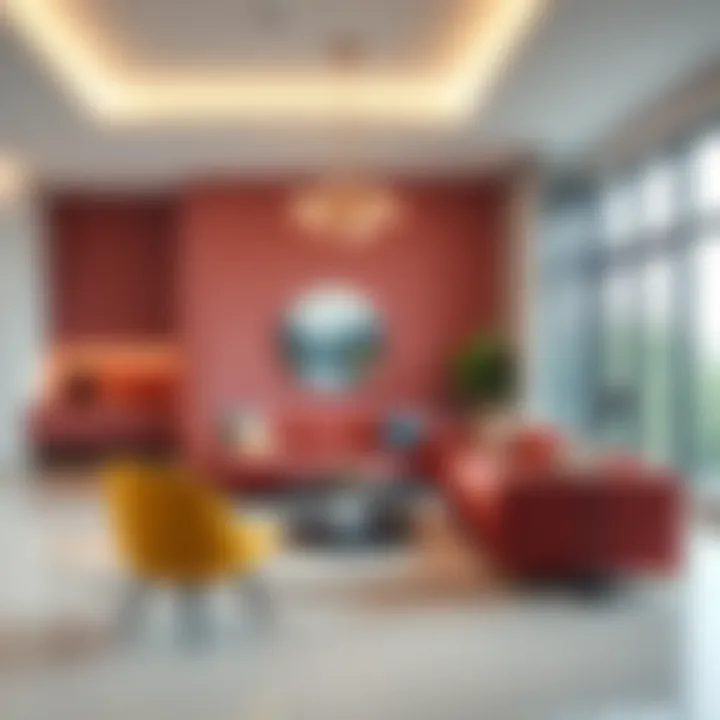
Choosing between natural and synthetic materials often comes down to several key factors, including personal preference, budget constraints, and the intended function of the space. Natural materials like wood, stone, and bamboo offer unique textures and warmth, creating a cozy ambiance. They come with their own set of benefits, such as sustainability when sourced responsibly.
However, synthetic materials like vinyl or engineered wood can provide durability and resistance to moisture and wear. For example, consider a setting where flooring is essential; natural hardwood may provide beauty and comfort but would require more maintenance than a synthetic alternative. The balance here lies in picking materials that align with both the desired aesthetic and practical needs.
Durability and Maintenance
Durability plays a pivotal role in the decision-making process. Homeowners ought to consider how well materials can withstand daily wear and tear and climatic conditions. For instance, a home located in a coastal area may benefit from materials designed to resist humidity and salt corrosion—think composite decking or fiberglass windows.
Maintenance cannot be left out either. Some materials may appear stunning at first glance but require more upkeep than others. Choosing materials that are easy to clean and maintain can save time and costs over the years. A highly porous stone might need sealing every so often, while a metal surface may only require periodic wipes to keep it looking spick and span.
"The materials you choose are foundational to your design narrative and resonate through every other decision you make."
In the intricate dance of design, each selected material should enhance the harmony of functionality, style, and sustainability. Selecting wisely can pave the way for a beautiful, enduring home that resonates with its owners. For more insights on various materials and their properties, check resources like Wikipedia or Britannica for foundational concepts.
Furnishing Your Polaris Space
Creating a well-furnished space is never just about filling rooms with random pieces. It’s an orchestration of aesthetics, functionality, and personal expression. In the world of Polaris home design, furniture plays a vital role in breathing life into a space while maintaining harmony with its overall design principle. Furnishing is where creativity meets practicality, allowing homeowners to express their style while ensuring that spaces function effectively.
Selecting the Right Furniture Pieces
When choosing furniture, it’s essential to reflect on both form and function. Not every beautiful piece fits into every space— understanding dimensions and scale becomes paramount. For instance, a grand leather couch may exhibit elegance, but if your living area is cozy, those dimensions might not harmonize with the room.
Here are some considerations to help guide your selection process:
- Material Matters: Leather, fabric, or wood all convey different moods and provide unique tactile experiences. Opting for sustainable materials can resonate well with the eco-conscious in today's design environment.
- Style Consistency: A contemporary coffee table might feel out of place next to vintage armchairs. It’s about creating a dialogue between pieces. Make sure your choices complement the architectural style established earlier in the design process.
- Comfort Is Key: Beyond looks, your furniture should be inviting. Sit on it, lounge on it, test it out. A beautifully designed chair means little if it’s uncomfortable.
Furniture selection often revolves around the target function of the room, too. A multipurpose space could benefit from flexible options, such as a modular sofa that adapts to varied layouts or a coffee table that can be used for dining.
Arranging for Flow and Function
Arranging your furniture in a way that facilitates movement and aligns with daily functions is paramount. Furniture placement might sound trivial, but it can greatly influence how comfortable and livable a space feels. An ill-conceived layout can become a blockade rather than an invitation. Here’s how to keep the rhythm going:
- Establish a Focal Point: Every room should have a focal point, be it a fireplace, a piece of artwork, or a panoramic view through large windows. Arrange your furniture to draw attention towards this element, fostering a sense of balance.
- Design Efficient Pathways: Make sure there’s enough space to move—generally, aim for at least 24-36 inches of breathing room. This ensures easy flow and creates a feeling of spaciousness rather than confinement.
- Zones for Activities: Divide spaces into zones for distinct activities. A reading nook shouldn’t overlap with a play area in the living room. Use rugs or varied furniture styles to create visual partitions without erecting physical walls.
A well-crafted layout doesn’t merely look good. It makes life easier, encouraging use and enhancing overall livability.
In summary, furnishing your Polaris space holds a significant weight in making your home both functional and personal. Thoughtful selection of furniture pieces tied with a strategic arrangement can elevate an ordinary room into a remarkable experience. Remember, it’s about creating a haven that reflects personal style while remaining practical, not just a collection of attractive items.
Lighting as a Design Element
Lighting holds a pivotal role in home design, serving as more than a functional necessity; it transforms spaces and influences mood. Properly selected and placed lighting can enhance architectural features, create warmth, and define different areas within a home. The interplay of light and shadow adds depth, dimension, and drama. It is no exaggeration to say that lighting can make or break a room. Understanding the nuances of this essential element is key for designers and homeowners alike.
Natural Light vs. Artificial Light
Natural light is often considered the gold standard in home design. It has a softness that promotes well-being, health, and a sense of connectedness with nature. Here are some points to ponder regarding the benefits of natural light:
- Health Benefits: Exposure to sunlight can elevate mood, enhance productivity, and even provide Vitamin D.
- Aesthetic Appeal: Natural light changes throughout the day, casting unique shadows and hues that can highlight textures and colors in any space.
- Energy Efficiency: Properly placed windows can reduce the need for artificial lights, offering substantial savings on energy bills.
In contrast, artificial light is indispensable for after dark or in areas where natural light is limited. When using artificial light, consider the following:
- Layering: Combine ambient, task, and accent lighting to create depth and functionality. Different types of lighting can work together harmoniously.
- Color Temperature: The warmth or coolness of a light bulb can impact mood and comfort significantly. A warmer hue is often more inviting than a stark white.
- Smart Technology: The rise of smart lighting solutions allows homeowners to adjust brightness, color, and timing according to specific needs or moods.
"Lighting is the bridge between beauty and functionality in a well-designed space."
Types of Lighting Fixtures
Choosing the right fixtures might feel like finding a needle in a haystack, given the plethora of options available. However, understanding the categories of lighting fixtures can streamline the selection process:
- Ceiling Fixtures: These are often the primary source of light in a room. Options here range from flush mounts to chandeliers, setting the tone for the space.
- Wall Sconces: These fixtures not only illuminate walls but also add an artistic touch. Perfect for hallways or around mirrors, they can emit both ambient and task lighting.
- Table and Floor Lamps: Portable and versatile; these fixtures can be placed according to need. A well-chosen lamp can serve both utility and aesthetic purpose.
- Recessed Lighting: Also known as can lighting, these fixtures are embedded into the ceiling and provide a sleek, modern look with minimal intrusion.
- Pendant Lights: These hang from the ceiling, often over kitchen islands or dining tables. They can serve as eye-catching centerpieces while providing focused lighting.
Incorporating a mix of these types can enhance the visual appeal and functionality of a space. Pay attention to scale, style, and placement to ensure that your chosen lighting speaks volumes about your space’s design while meeting your practical needs.
Incorporating Technology in Home Design
In the ever-evolving realm of interior design, technology has woven itself intricately into the fabric of our living spaces. This section explores how incorporating technology in home design not only enhances the functionality of spaces but also elevates the aesthetic appeal. In a world where convenience is king, understanding the importance of smart advancements can be the difference between a house and a true home.
Smart Home Innovations
Smart home innovations have revolutionized the way we interact with our environments. These state-of-the-art systems offer a blend of comfort, security, and energy efficiency — a triad that today's homeowners crave.
Consider systems like the Nest Learning Thermostat, which adapts to your temperature preferences and can be controlled remotely via a smartphone app. This not only saves money but also promotes a greener lifestyle. Additionally, Philips Hue smart bulbs allow for customizable lighting, creating ambiance while promoting sustainability through energy-efficient options.
But it’s not just about temperature or light; smart security systems, such as Ring doorbells or Arlo cameras, provide safety with real-time alerts, integrating seamlessly with other devices for a comprehensive smart ecosystem.
Emerging technologies like voice-activated assistants, such as Amazon’s Alexa or Google’s Assistant, add an extra layer of control, making everyday tasks more manageable and convenient. What distinguishes these innovations from mere gadgets is their ability to learn and adapt to the habits of the homeowner, curating an environment uniquely tailored to individual needs and preferences.
Integrating Functionality with Style
While functionality is paramount, marrying it with style can pose a unique challenge. Integrating technology in a way that complements the existing design can truly elevate a space.
One way to do this is through sleek design. For instance, Samsung’s Frame TV can be transformed into a piece of art when not in use, blending aesthetically into your home rather than sticking out like a sore thumb. This shows that technology can coexist harmoniously with art and design.
In terms of practicality, consider utilizing built-in charging stations for devices. This not only declutters countertops but also maintains a clean and sophisticated appearance. Think about how hidden outlets and wired speakers can streamline the look of a room, providing sound without compromising style.
However, it’s vital to keep in mind that the integration of technology should not overshadow personal style and comfort. Each device, from a smart refrigerator to automated blinds, should enhance the homeowner's experience without becoming a focal point that detracts from design.
As we embrace new technologies in home design, the challenge remains: how do we blend them into our lives without losing the essence of home?
Personalization and Creative Expression
In the realm of home design, personalization and creative expression stand as twin pillars supporting the structures of both aesthetics and functionality. For homeowners and designers alike, the ability to infuse individual identity into a space is crucial. It goes beyond just choosing a color palette or a style; it’s an opportunity for people to tell their stories through their living environments. By delving into the aspects of art and decor choices as well as the blending of different styles and eras, one can create a space that truly feels like home.


Art and Decor Choices
The selection of art and decor is often what brings a room to life. It can evoke emotions, inspire thoughts, and create connections between inhabitants and their surroundings. Art serves not just as decoration but as an expression of the homeowner’s personality, interests, and experiences.
When selecting art:
- Consider the atmosphere you wish to create. Are you leaning towards calm and serene or vibrant and stimulating? The type of artwork can significantly influence the room's overall ambiance.
- Align decor with personal experiences. Perhaps a favorite travel destination can inspire a wall of travel photographs or a local artist's work can reflect community ties.
- Balance and cohesiveness matter. While it’s delightful to have variety, ensuring that art pieces complement each other creates a more harmonious space. Grouping artworks in varying sizes and shapes can enhance visual intrigue, allowing for creative expression without overwhelming a viewer.
Additionally, integrating elements such as sculptures or handmade crafts can provide textural contrast and breathing room in a design, giving areas a lively dimensionality.
Mixing Styles and Eras
Creating a space that embraces multiple styles and eras is a daring yet rewarding approach to interior design. This practice not only showcases the homeowner’s diverse taste but also reflects the complexity of modern living. Embracing eclecticism can lead to unique and visually compelling spaces.
In blending styles and eras, it's important to consider:
- A unifying theme or color palette. This doesn't mean all pieces must match, but having an overarching theme reduces the risk of visual chaos. For instance, choosing complementary colors can harmonize contemporary furniture with vintage accents.
- The scale of furnishings. Pairing sleek, modern pieces with hefty antiques can create compelling contrasts. However, ensuring that the proportions are well-balanced prevents any single element from overpowering the space.
- Storytelling through design. Every item's history contributes to a home's narrative. A mid-century modern chair next to a rustic farmhouse table speaks volumes about choices and experiences, providing insights into the homeowner's journey.
Ultimately, personalization and creative expression in design transform spaces into narrative terrains, where every element serves a purpose, either subtly or overtly revealing the soul of the home.
“Home is where one starts from.” – T.S. Eliot
By thoughtfully melding art, decor, and diverse design influences, individuals can craft engaging environments that reflect their unique lifestyles, fostering comfort and intrinsic connection within the spaces they inhabit.
Challenges in Modern Interior Design
Understanding the challenges that arise in contemporary interior design is crucial for anyone looking to create or enhance their living spaces. As styles evolve, the demands of modern homeowners also shift, creating a unique set of dilemmas that designers and homeowners must navigate. Most notably, the balancing act between fleeting trends and enduring styles often presents a formidable challenge. By grasping these difficulties, one can better appreciate the nuances of Polaris home design and create environments that genuinely resonate with personal tastes while also standing the test of time.
Balancing Trends with Timelessness
One of the great ironies in home design is how trends can come and go faster than a speeding bullet. Homeowners may find themselves enamored with a particular aesthetic one moment, only to discover it's considered passé a brief while later. This need for constant adaptation can lead to spaces that feel fractured and disjointed, lacking a cohesive identity.
Treading the fine line between following current trends and maintaining a sense of timelessness can feel like a high-wire act. A well-versed designer will often urge clients to focus on versatile pieces that pair well with both contemporary and classic elements.
When curated effectively, certain design choices—such as neutral color palettes, quality furniture, and classic lighting fixtures—can bridge the gap between trends and timeless style. For instance:
- Neutral color schemes can provide a lasting backdrop, allowing the occasional trendy accent to shine without overwhelming the space.
- Classic pieces, like a well-crafted wooden table or an elegant chandelier, stand the test of time better than a splashy trendy artifact.
In essence, it's about creating a harmonious blend, ensuring that any trendy elements placed within a home also contribute to lasting aesthetics, rather than distracting from them. The vision should be clear: design should not just cater to temporary whims but should engage with foundational principles that endure over time.
Budget Constraints
Money can indeed make the world go 'round, and in interior design, it can create a significant roadblock from time to time. Budget constraints are often at the forefront of every homeowner's design journey. They can feel limiting, but they also offer an opportunity to hone in on creative solutions.
Budgeting for a home renovation or design project means being strategic about where funds are allocated. It's all too tempting to splurge on high-ticket items, like expansive furniture or extravagant decor. However, thoughtful planning can often yield extraordinary outcomes without breaking the bank.
To navigate this challenge:
- Prioritize the elements that matter most. Investing in key fixtures and quality materials can often set the tone for an entire space.
- Seek alternatives that offer similar impact without the hefty price tag. For example, using laminate that mimics the look of hardwood can be a savvy way to achieve the aesthetic without the expense.
- DIY projects can also marinate alongside budget constraints, enabling homeowners to inject their personal touch without plummeting into debt.
Learning to work within a budget is part of the design process. Embracing this flexibility can open doors to innovative solutions that not only satisfy the design vision but also respect fiscal limits.
"Creativity thrives under constraints. Budget limitations can be a catalyst for remarkable ideas that transform spaces in unexpected ways."
Evaluating Successful Home Design
Evaluating successful home design is not simply about aesthetics; it encapsulates a range of criteria that determine how well a space serves its occupants. This section will delve into the key elements of what makes a home design effective, while also emphasizing the benefits and considerations that homeowners and professionals should keep in mind. The focus here is on the integration of functionality, comfort, and style—all essential ingredients for creating living spaces that resonate with their residents.
Metrics for Effective Design
To assess the success of home design, we can use various metrics that reflect both the physical attributes of the space and the emotional responses it elicits. Common metrics include:
- Space Utilization: This metric evaluates how well the space serves its intended purposes. Is there adequate room for movement? Are zones defined clearly for different functions? Efficient designs often maximize utility without overcrowding.
- Aesthetic Appeal: Subjective yet crucial, this metric gauges how pleasing the design is to those who inhabit it. From color choices to furniture arrangements, visual harmony plays a significant role in overall satisfaction.
- Energy Efficiency: An increasingly important metric, especially in light of environmental considerations, evaluates how the design uses energy. Energy-efficient appliances, insulation, and natural light utilization contribute to sustainability.
- Safety and Accessibility: Home design must prioritize the safety and accessibility of all occupants. Features such as non-slip surfaces, wide doorways, and smart technology can enhance user experience, particularly for young children and the elderly.
Collectively, these metrics provide a comprehensive picture of a home's design efficacy. Setting standards in each area can lead to profound improvements in livability, bringing both comfort and functionality into a cohesive whole.
"A successful home design not only captivates the eye but also caters to the spirit of its occupants."
Homeowner Satisfaction
Homeowner satisfaction is arguably the pinnacle of evaluating successful home design. It encompasses how well the design meets the occupants' needs, preferences, and lifestyle. Achieving high homeowner satisfaction can be a balancing act, often influenced by several core factors:
- Personalization: A design that allows for personal touches makes a home feel truly owned. Whether through art, color, or decor, ensuring that individual tastes are represented can greatly enhance satisfaction.
- Comfort: This covers not just physical comfort but the overall ambiance of the home. A well-thought-out design promotes relaxation and ease, whether it's through choosing plush furniture or optimizing airflow with strategic layout.
- Community and Functionality: Homeowner satisfaction can also stem from how well the space integrates with broader community needs. Is the home conducive to entertaining guests? Does it offer privacy where it’s needed? Designs that accommodate social interaction while allowing for solitude often score higher on satisfaction measures.
- Maintenance and Upkeep: Lastly, the ongoing condition of the home plays into homeowner satisfaction. Easy-to-maintain materials and designs reduce stress and preserve the beauty and utility of the space over time.
Future Trends in Polaris Home Design
Exploring the future trends within Polaris home design has significant implications for homeowners, designers, and industry professionals alike. Understanding these trends is vital, as they dictate not only aesthetic choices but also how we interact with our living spaces. Innovations in design reflect societal shifts, environmental considerations, and advancements in technology. All these components shape a more holistic approach to home design that is both functional and visually appealing.
Anticipating these trends enables stakeholders to stay ahead of the curve, tapping into emerging styles and innovations that can enhance the functionality and beauty of residential spaces.
Emerging Styles and Innovations
Emerging styles in Polaris home design reveal a dynamic interplay between modern sensibilities and traditional craftsmanship. One trend gaining traction is the fusion of biophilic design principles, which emphasize a connection to nature within interior spaces. For example, incorporating living walls or large windows that both maximize natural light and offer views of the landscape can create a refreshing atmosphere that improves mental well-being.
Another innovative style that's making waves is the use of modular design elements. This modular approach offers flexibility, allowing homeowners to reconfigure their space easily without a complete overhaul. Home offices, for instance, can morph into guest rooms with minimal effort—providing practical solutions in an age of remote work.
Additionally, the blend of cultural influences continues to expand the aesthetic palette. Adopting designs inspired by various global traditions fosters a unique identity within interiors, making personal expression a cornerstone of modern Polaris home design.
"Emerging styles reflect deeper cultural narratives, allowing spaces to tell a story that resonates personally with its inhabitants."
The Role of Artificial Intelligence
Artificial intelligence (AI) is playing an increasingly pivotal role in shaping the future of Polaris home design. AI-driven tools are revolutionizing the design process by offering predictive analytics and insights into consumer preferences. Designers now can leverage this technology to curate spaces that not only reflect current trends but also resonate on a more profound emotional level with occupants.
Smart home systems utilizing AI enhance the functionality of living spaces by learning the habits and preferences of homeowners. For instance, climate control systems can adjust heating and cooling based on when residents are home or away, providing both comfort and energy efficiency.
Moreover, AI assists in creating customized design solutions through augmented reality applications. Homeowners can visualize design options in real-time, making informed decisions that align with their unique styles and needs. By facilitating a more interactive and personal approach to design, AI is not just a tool but a valuable partner in the architectural narrative of Polaris home design.
In summary, the future of Polaris home design is marked by exciting innovations and evolving aesthetics that cater to functional requirements and personal expression. By embracing these trends, designers and homeowners can create living spaces that are not only beautiful but also enhance the quality of life.