The Ultimate Guide to Extra Long Stair Runners
Intro
When it comes to designing interior spaces, one often overlooked element is the stair runner. Extra long stair runners not only provide an aesthetic upgrade but also serve practical purposes. Imagine walking up a staircase embellished with a beautifully designed runner, where each step resonates with style and comfort. This guide aims to delve deep into the world of extra long stair runners, covering everything from design implications to maintenance tips to make informed decisions that align with your vision.
Stair runners can transform a mundane staircase into a striking feature of your home. They can enhance safety by providing traction, while also adding a touch of warmth underfoot. As we journey through this guide, we'll explore different furniture styles that complement these runners, the best material choices for durability and comfort, and much more.
Furniture Styles
Overview of Popular Furniture Styles
To fully appreciate the impact of an extra long stair runner, it’s vital to look at how it interacts with various furniture styles present in your home. Whether your space is modern, traditional, or somewhere in between, the runner can play a substantial role.
- Modern: Clean lines and minimalistic designs characterize modern interiors. A runner with geometric patterns or a solid color can be the perfect counterpart to sleek furniture, providing a contrast that elevates the overall look.
- Traditional: In a setting filled with classic wooden furniture, an ornate stair runner featuring rich colors and intricate designs can enhance the old-world charm.
- Eclectic: If your style is more eclectic, combining various influences, consider a bold runner that showcases colors to tie multiple elements together without overwhelming the space.
Mixing and Matching Styles for Your Home
It’s entirely possible to mix and match styles, and this can often lead to the most interesting and personalized looks. For instance, blending a modern runner with vintage furniture can create an intriguing juxtaposition. Here are some tips on how to effectively mix and match:
- Color Harmony: Ensure the colors of your runner resonate with the palette of surrounding furniture. If your furniture leans towards muted tones, consider a runner that adds a splash of vibrant color.
- Texture Balance: Pair textured runners, such as those with a plush fabric, with sleek furniture to create contrast.
- Scale Appropriateness: Be mindful of the scale. A delicate runner might lose significance beside bulky furniture.
Through thoughtful combinations, your stair runner can bridge different styles, providing unity and flow throughout your home.
Material Choices
Benefits of Different Furniture Materials
The material of your extra long stair runner plays a significant role in both its aesthetic quality and functionality. Some materials offer plush comfort, while others prioritize durability. Here’s a breakdown:
- Wool: This natural fiber is popular for its warmth, durability, and stain resistance. It’s a go-to for high-traffic areas.
- Nylon: Known for its resilience, nylon is often used in more contemporary designs. It offers fantastic color retention and is resistant to wear and tear.
- Cotton: If comfort and softness are your priorities, cotton can be a great choice. However, it may not offer the same durability as wool or nylon, especially in busy households.
Eco-Friendly Furniture Options
As environmental consciousness grows, choosing eco-friendly material alternatives becomes essential. Look for:
- Recycled fibers: Some brands offer stair runners made from recycled materials that maintain aesthetic appeal while being kind to the planet.
- Organic fabrics: Runners crafted from organic materials, like bamboo or hemp, not only look good but also contribute to reducing your environmental footprint.
For more information on eco-friendly materials, check out sites like US Green Building Council or Green Seal.
Finale
Choosing the right extra long stair runner goes beyond mere decoration; it involves a thoughtful process of integrating design with functionality. By considering your home’s furniture style and prioritizing the choice of materials, you can make a selection that enhances both the aesthetic and safety of your staircase. Stay tuned as we delve deeper into installation processes and maintenance in the following sections.
Understanding Stair Runners
Stair runners are a key component in both the aesthetics and safety of any staircase. Beyond their decorative appeal, they serve practical purposes that profoundly enhance the experience of navigating stairs. In this section, we will dive into what stair runners are, their significance, and how they have evolved through time. Moreover, understanding these factors is essential for designers, homeowners, and decorators to make informed choices that resonate with their vision.
Definition and Purpose
A stair runner is essentially a long strip of fabric that is installed along the length of a staircase, usually secured on either side with stair rods or adhesive. The primary purposes of stair runners include:
- Safety: They provide grip and traction, helping to prevent slips and falls, especially when stairs are steep or curved.
- Aesthetic Appeal: By introducing color, texture, or pattern, a runner can transform a sterile staircase into a focal point of a room.
- Noise Reduction: Runners help absorb sound, which is especially useful in multi-story homes where echoes can bounce off hard surfaces.
- Comfort: Walking on a runner, in contrast to hard wooden or tile steps, offers a softer, more cushioned feel underfoot.
With these benefits in mind, one can appreciate why stair runners are becoming a staple in home decor, marrying practicality with style.
Historical Context
Historically, stair runners date back to the era of palatial homes in Europe, where grand staircases were adorned with richly woven carpets, creating invitations to ascend in style. Early stair runners were often made from wool and featured intricate designs that highlighted the wealth or status of the homeowner.
Fast forward to contemporary times, and the evolution of stair runners reflects broader design trends. As open concept living spaces became the norm, the focus shifted towards materials that were durable yet elegant. Today’s stair runners feature a plethora of fabrics, from jute to synthetic fibers, enabling a balance between durability and aesthetic appeal.
Moreover, homeowners and designers incorporate bold patterns and eco-friendly materials, signaling a shift towards individual expression and sustainability. As the design landscape continues to evolve, so too does the significance of stair runners, making them not just a function of design, but a canvas for personal style.
"A stair runner is not merely a decoration; it’s an enhancement – harmonizing beauty and function in a single stride."
By grasping the definitions and understanding the history behind stair runners, one can appreciate the role they play in contemporary design, while also recognizing the potential for creativity in personal interior spaces.
Defining Extra Long Stair Runners
In the realm of interior design, extra long stair runners hold a unique place, bridging functionality with aesthetics. To really grasp their significance, it's vital to establish what we mean by 'extra long' and how these specific items cater to various practical and stylistic needs in a space. Whether you're a designer, a homeowner, or simply interested in enhancing a staircase, understanding the parameters and applications of extra long stair runners is an essential starting point.
What Constitutes 'Extra Long'?
Determining what counts as 'extra long' can vary widely depending on both the staircase design and the individual’s needs. While most standard stair runners are often around 27 to 30 inches wide, extra long runners typically exceed 30 inches in length, often stretching to accommodate the entirety of a grand staircase or extending over multiple flights in larger homes.
So, when we say ‘extra long,’ we are diving into dimensions that allow for both extensive coverage and a striking visual impact. This often translates into lengths that can start at ten feet and extend well into 20 feet or more, depending on the staircase layout. The added length not only enhances safety by providing coverage over slippery treads but also creates a cohesive look that unifies the different levels of a home’s interior.
Common Dimensions and Applications
Extra long stair runners can come in a variety of dimensions, tailoring to multiple architectural styles and personal aesthetics. The most common dimensions, ranging from 3 feet up to 20 or more, allow for flexibility in how these runners are installed. Here are some typical uses and setups:
- Single Flight Applications: For straight staircases, a single runner can cover the entire length, providing a streamlined appearance.
- Curved or L-Shaped Stairs: These configurations can benefit from runners that are designed to fit snugly around bends, preventing slips in tricky corners.
- Double-Stair Homes: In larger homes with multiple levels, deploying extra long runners can create a dramatic visual statement while also ensuring safety on every flight.
- Commercial Spaces: Many businesses, especially those with grand entrances, utilize longer runners for a professional look. This has functional benefits too, as these spaces tend to experience more foot traffic.
In summary, when choosing an extra long stair runner, always consider the layout, necessary lengths, and material qualities tailored to the staircase's use. By keeping these factors in mind, homeowners and designers can choose runners that not only elevate the style of a space but also contribute to its safety and longevity.
"The right stair runner is more than just decoration; it’s an essential element for safety and style in any home."
As you delve into the world of extra long stair runners, keep these dimensions and applications in your toolkit to make informed decisions that align with your space's unique needs.
Design Considerations for Extra Long Stair Runners
When embarking on the journey of incorporating extra long stair runners into your home, several design considerations come into play. These considerations not only influence the visual appeal of your stairway but also affect its functionality and maintenance. Choosing the right elements can elevate the overall aesthetic of your space while ensuring an optimal fit and longevity.
Color and Pattern Choices
The color and pattern of your stair runner are as significant as the air you breathe, playing a crucial role in harmonizing the interior design of your home. The selected colors should ideally align with the existing palette of your interior spaces. For instance, if you have a modern home featuring sleek finishes and neutral tones, a runner with bold geometric patterns might stand out as a focal point, whereas soft, muted designs can create a sense of tranquility.
Additionally, darker colors can help hide stains and wear, making them a practical choice for high-traffic areas, whilst lighter hues can create an airy feel. Take into account how natural light interacts with the space; warm tones might soften bright sunlight, whereas cooler shades can add a touch of elegance.
Some popular color schemes worth considering include:
- Monochromatic palettes for a seamless look
- Contrasting colors to make a bold statement
- Textured patterns to bring depth and interest
Don’t hesitate to add personal touches; patterns like florals can lend a vintage charm, while abstract designs are trendy and contemporary. Remember, your runner is a reflection of who you are and should evoke the desired emotional response in your visitors.
Choosing the right color and pattern is like picking the right ingredients for a gourmet dish; each element must complement the other for a delightful experience.
Texture and Material Selection
Texture can drastically change the feel of a space. The material you decide on for your stair runner contributes not only to the tactile experience but also to the overall ambiance.
When considering materials, options like wool, nylon, and jute stand out as both functional and aesthetically pleasing. Wool is known for its resilience and luxurious feel, making it an excellent choice for high-end homes. Conversely, synthetic fibers like nylon are often more cost-effective and easy to clean, perfect for households with children or pets who might not be so graceful on the stairs.
Here are a few material suggestions, depending on your specific needs:
- Wool: Durable and naturally stain-resistant.
- Nylon: Cost-effective with excellent stain management.
- Bamboo: An eco-friendly alternative with a unique appearance.
In addition to material selection, consider the texture. A plush texture can make a staircase feel inviting, while a flat-weave design might be more suited for a sleek, modern aesthetic. You might opt for a combination of textures to create visual contrast and enhance interest.
To sum it up, striking a balance between texture and material while keeping your home’s style in mind is essential. Selecting wisely can pay dividends in comfort, maintenance, and style, meeting both practical and aesthetic demands.
Practical Benefits of Using Long Stair Runners
Stair runners serve more than just a decorative purpose; they play a critical role in enhancing both the safety and comfort of stairs. Long stair runners specifically offer an array of practical benefits that make them a worthwhile investment for any homeowner or designer looking to elevate the functionality and aesthetics of a space. In this section, we’ll explore some of the most significant benefits that these runners provide, ensuring that you make an informed choice for your interior design needs.
Enhanced Safety Features
Staircases can be hazardous, especially in homes with kids, pets, or elderly individuals. Slips and falls account for a significant number of injuries, and incorporating an extra long stair runner can mitigate these risks. The added surface traction provided by stair runners helps keep footsteps secure, reducing the chances of slipping.
- Soft Landing: The padded surface of a stair runner offers a soft landing should a fall occur. This is particularly crucial for families with children who are often more prone to accidents when rushing up or down stairs.
- Visibility: A well-chosen runner can enhance visibility on the stairs. Light-colored runners might stand out better against darker stair treads, making it easier to see where one is placing their foot. This simple contrast can be a game changer for clarity and awareness on tricky steps.
"Adding a stair runner can significantly reduce fall risks, making it a smart choice for any bustling home environment."
- Defined Path: Long stair runners help to visually define the path of the staircase, guiding foot traffic. This can be particularly beneficial in homes where stairs might blend seamlessly into the surrounding flooring, thus minimizing distractions and potential missteps.
Noise Reduction Properties
Another vital aspect of using long stair runners is their ability to reduce noise. In homes where stairs are located near living areas, the sound of footsteps can easily become disruptive. By adding a stair runner, homeowners can achieve a quieter atmosphere.
- Sound Absorption: The material of the runner absorbs sound, dampening the clatter of footsteps. This is especially beneficial in multi-level homes where noise travels easily, affecting the serenity of lower floors while people are moving about upstairs.
- Cushioning Effect: The cushioning underneath the fabric not only aids in comfort but also absorbs vibrations. This means that in homes with hardwood or tile stairs, the runner can lessen the ringing noise that often accompanies hard steps.
- Reduced Echo: Long stair runners can also minimize echoes within a staircase, adding to the overall sound quality of the home. This subtle improvement enhances conversations and everyday activities without the interference of significant background noise.
Incorporating an extra long stair runner thus serves dual purposes. From enhancing safety to ensuring a quieter living space, the advantages presented are critical for anyone looking to invest in their home’s functionality and aesthetics. Understanding these practical benefits can help you make a thoughtful choice in stair design as well as improve your daily living experience.
Style Trends for Stair Runners
Stair runners play a pivotal role in setting the tone of a home’s interior, offering much more than mere functionality. In recent years, the designs have evolved significantly, reflecting broader trends in home decor and aesthetics. This section delves into the contemporary styles and classic designs that dominate the recent landscape, providing both inspiration and guidance for selecting the ideal runner for any staircase.
Contemporary Styles
In the realm of home decor, contemporary styles often emphasize minimalism, clean lines, and a harmonious balance between form and function. When choosing a stair runner that aligns with contemporary design principles, consider the following aspects:
- Color Palette: Stick with muted or neutral tones that blend well with the overall scheme of your home. Shades like soft greys, beiges, and whites are quite popular as they facilitate a calming atmosphere.
- Geometric Patterns: Modern designs increasingly incorporate bold, geometric patterns. These can add a dynamic element to the staircase, especially in homes with open floor plans where the visual impact can be maximized without overwhelming the space.
- Sustainability: Eco-friendly materials are gaining traction, appealing to environmentally conscious homeowners. Materials like natural wool or recycled fibers not only reduce environmental impact but also provide a luxurious feel underfoot.
Contemporary runners can also feature specific design elements, such as:
- Textured Finishes: Subtle textures like ribbed or looped patterns can add depth without straying into overly ornate designs.
- Layered Looks: Mixing and matching runners with similar colors but different materials or patterns can create a layered, sophisticated profile.
Classic and Timeless Designs
Contrasting with contemporary trends, classic designs offer a sense of permanence and tradition. They evoke nostalgia while providing an elegant, refined appearance. When looking at classic stair runners, consider:
- Rich Colors: Deep jewel tones such as burgundy, navy, and emerald often characterize traditional runners, creating a striking focal point that draws the eye.
- Oriental and Persian Styles: Runners that feature intricate patterns or motifs can pull in historical influences, adding a rich narrative to the staircase. These designs often have stories that resonate with the culture from which they originate.
- Classic Borders: A runner with a sophisticated border design can enhance the staircase while maintaining a sense of cohesion with older architectural elements in a home.
Classic designs are not just a nod to tradition but an investment in quality and aesthetic longevity.
Timeless elements can also be expressed through:
- Natural Materials: Sisal, jute, and wool remain favored for their durability and enduring beauty, providing options that marry style and functionality.
- Customized Solutions: Tailor-made stair runners that match the individual character of a staircase can elevate the entire home’s appeal and ensure a perfect fit, literally and aesthetically.
In summary, whether a homeowner gravitates towards contemporary simplicity or timeless elegance, understanding style trends in stair runners is essential for creating an inviting space that reflects personal taste. After all, a staircase isn't just a passageway; it's a canvas waiting to be embellished with thoughtful design choices that resonate throughout the entirety of a home.
Installation Guidelines
The process of installation can make or break your experience with extra long stair runners. Proper installation not only ensures that the runners look good but also guarantees their functionality, safety, and durability. This section elaborates on the essential steps to take when installing stair runners, from pre-installation preparations to the actual process. Without these guidelines, homeowners and decorators alike might be left with uneven edges or an ill-fitted runner, which can detract from the aesthetic appeal of your home.
Pre-Installation Preparations
Getting ready to install a stair runner involves more than just unrolling it on your stairs. A successful installation requires careful planning and preparation to avoid common pitfalls. First off, gather necessary information about your staircase, such as its measurements and existing conditions. This groundwork helps to ensure that the runner fits properly and meets all safety regulations, thereby creating a secure pathway for foot traffic.
Moreover, it’s beneficial to inspect the staircase for any damages or imperfections that may need addressing beforehand. Ensuring the staircase surface is clean and dry can also prevent any complications later on. So, before diving into the installation process, checking these aspects can save a headache down the line.
Step-by-Step Installation Process
Gathering Tools
Having the right tools at your fingertips is a crucial step that can largely influence the smoothness of your installation. The main tools you’ll need include a carpet knife, measuring tape, staples, and a staple gun. Each tool plays its vital role in achieving a neat and durable finish.
- Carpet Knife: Essential for cutting the runner to fit your stairs perfectly. It offers sharpness with control, allowing precise cuts.
- Measuring Tape: This helps measure your staircase accurately. It’s the backbone of your measurements.
- Staple Gun: Arguably the most critical tool for securing your runner firmly in place.
- Crafting Adhesive or Double-Sided Tape: Offers an option for those who prefer a non-invasive method of installation.
These tools are popular because they simplify the process, making that DIY project feel less daunting.
Measuring the Staircase
Getting accurate measurements is absolutely integral to the installation process. Poor measurements can lead to unsightly gaps or excessive overlaps of fabric, pulling focus from the overall design.
- Start by determining the width of the stairs; measure from the inner edge of the handrail to the outer edge of the tread (the flat part).
- Measure the height of each riser (the vertical part) to understand how much material you will need.
Each of these measurements should be precise. Keep in mind that many staircases can vary slightly from step to step, so measuring each section is crucial. This practice not only results in a well-fitted runner but also goes a long way in maintaining safety standards on your stairway.
Cutting the Runner
Once you've got your measurements down, it’s time to cut the runner. This step requires patience and attention to detail.
When cutting the runner, make sure to leave about an inch of excess material on each edge. This extra bit allows for any miscalculation and ensures the runner can be secured properly. Using the carpet knife, go slowly, making sure to cut in a straight line to avoid jagged edges, which can look unprofessional.
Cutting accurately results in an even appearance, making your stairs look well-appointed while safeguarding against accidents and ensuring the runner stays in place.
Securing the Runner
The final step in the installation process is securing the runner to the staircase. This is paramount for both aesthetics and safety. You want to ensure that the runner does not shift or slide when someone steps on it.
Utilizing a staple gun, begin fastening the runner along the edges of the tread and risers. Make sure to place staples at regular intervals so that the runner remains taut and secure. For those who choose to use adhesive, this should also be applied carefully to ensure a strong bond with the stairs.
By firmly securing your runner, you not only give it a polished look but prevent potential accidents, making this step crucial for safety in everyday use.
"Proper installation of stair runners transforms not only the look but also the safety of a staircase."
Following these well-laid guidelines will aid in delivering both a gorgeous finish and a safe pathway, allowing your design aspirations to shine through.
Maintenance and Care Tips
Maintaining the pristine look of your extra long stair runner is no small feat. Given that staircases are high-traffic areas in any home, they can experience wear and tear surprisingly fast. A well-kept runner not only enhances aesthetic appeal but also prolongs the lifespan of the material, ensuring it continues to serve its decorative and practical purposes for years to come. Likewise, regular maintenance practices can make a substantial difference in preventing more severe damage down the line. Let's delve into some pertinent tips and routines for keeping your runner in excellent condition.
Routine Cleaning Practices
There’s a common saying: "A stitch in time saves nine." This holds true for maintaining a stair runner. Incorporating simple cleaning practices into your routine can protect your investment.
- Vacuum Regularly: This is your first line of defense against debris. Aim for at least once a week. If you have pets or frequently entertain, you may need to vacuum more often. Use a vacuum cleaner with a brush attachment to avoid pulling on the fibers, ensuring your runner retains its original shape.
- Spot Clean: Address spills immediately. Use a clean, dry cloth to blot the area. Avoid scrubbing, as this can damage the fibers. Instead, dab gently to lift the liquid. Afterward, if needed, utilize a mild detergent mixed with water to treat the stain. Always test in a discreet area first.
- Deep Clean Periodically: Depending on foot traffic, consider deep-cleaning your stair runner every six months. This might include professional steam cleaning or using a home steam cleaner, ensuring that the option you choose is appropriate for the fabric type.
Regular upkeep not only maintains aesthetics but also decreases allergens, promoting a healthier environment.
Dealing with Stains and Damage
Stains and damage can happen when you least expect it, and knowing how to handle these situations can alleviate a lot of stress. Lack of prompt attention can lead to irreversible harm. Here’s how to manage potential mishaps:
- Identify the Stain: The first step in tackling a stain is understanding its nature. Is it food? Beverage? Or perhaps pet-related? Each comes with different removal techniques.
- Use the Right Tools: Depending on the fabric and type of stain, you might need specific tools. For instance, club soda can effectively lift wine stains, while baking soda can neutralize odors from pet mishaps.
- Consult the Manufacturer’s Instructions: Finding the specific maintenance guidelines for your runner can be handy—materials and fibers need different care. Sometimes, the solution lies in professional cleaning, especially for stubborn or extensive damage.
"When it comes to maintaining fabric, an ounce of prevention is worth a pound of cure."
Choosing the Right Runner for Your Space
Selecting the appropriate stair runner is more than just picking a pretty pattern; it significantly impacts both the visual appeal and functionality of your staircase. The right runner should harmonize with the overall design of your home while also addressing practical concerns, like durability and maintenance. Understanding this balance will ensure the runner serves its purpose without sacrificing aesthetic value.
Assessing Your Home's Aesthetic
First and foremost, take a good look at your home's design. Is it modern, rustic, or perhaps something in between? Assessing your home’s aesthetic is akin to choosing the perfect outfit for a job interview. Each element must complement the other. For instance, if your home glows with minimalistic décor and sleek lines, a runner with an elaborate pattern might feel out of place. On the other hand, a classic home adorned with moldings may benefit from a patterned runner, adding that extra dash of character.
- Color cohesion: Think about your color palette. Neutral tones like beige or gray can create an inviting ambiance, while bold colors such as deep blue or red can make a striking statement.
- Material match: The material of the stair runner should resonate with other textures in your home. A plush wool runner can add warmth in a cozy space, while a flatweave style may serve well in a more informal setting.
- Style consistency: Keep your runner’s style in line with existing furnishings. For example, if you have a lot of contemporary furniture, a runner with a modern geometric design would be appropriate, whereas an antique home may lend itself better to a vintage floral design.
Evaluating Functional Needs
Next up, consider the functional requirements that your runner must fulfill. Not all stair runners are created equal, and certain features will cater to various needs.
- Foot traffic: Assessing foot traffic in your home should guide your choice. If you have a busy household, opt for durable materials like nylon or synthetic blends, which can withstand wear and tear, easy to clean and maintain.
- Safety needs: Grip and traction are crucial in ensuring safety. A runner that comes with a non-slip backing or is adhered down will keep it securely in place, reducing the risk of slips.
- Maintenance level: Some materials are easier to maintain than others. If you're not keen on frequent vacuuming or cleaning, consider materials like olefin or polyester that resist stains and wear.
In short, the right runner will complement the architecture of your home while providing the necessary functionality. This balance is essential to achieve a harmonious living space that looks great and meets everyday needs.
Cost Considerations
When embarking on the journey of selecting and installing an extra long stair runner, cost considerations play a pivotal role in the decision-making process. Understanding the financial implications can not only guide your choices but can also help avoid unwelcome surprises that might arise during installation. In the realm of home design, every budget has its limitations and each decision can ripple through the overall project, affecting both style and functionality. From the materials chosen to the expertise required for installation, all facets contribute to the holistic cost of your stair runner project.
A keen awareness of the cost structure helps homeowners and designers allocate resources wisely and prioritize aspects that align with their aesthetic visions and practical needs. By comprehensively reviewing the financial elements, one can more effectively balance the desire for a stunning design with the constraints of a budget.
Price Range Overview
The price range for extra long stair runners can widely fluctuate, depending on various factors including materials, brand reputation, and design complexity. Here’s a basic overview:
- Materials: Rugs made from synthetic fibers typically start as low as $2 to $5 per square foot, making them an economical choice. In contrast, natural fibers like wool or silk can range from $15 to $50 or more per square foot, reflecting their higher quality and durability.
- Sizing: As the name suggests, extra long stair runners often require more material, resulting in larger overall costs. For example, a 30-foot runner could lead to costs upwards of $150, with especially long or wide designs pushing this even higher.
- Customization: Custom designs, particularly those that involve intricate patterns or bespoke sizes, can escalate prices significantly – sometimes reaching $100 per square foot or more.
- Preparation and Installation Fees: Hiring professionals for the installation adds another layer of expense, often ranging from $100 to $500 depending on the installer’s experience and the complexity of the project.
In sum, setting a clear budget early on can guide one through the myriad of choices available.
Budgeting for Installation
Configuring a budget for installation is as critical as budgeting for the product itself. It's like building the foundation for a house; a rock-solid base ensures everything else stands firm. When planning the installation budget, consider these parameters:
- Site Preparation Costs: Before the runner is installed, it may be necessary to address underlying issues such as stair damage or cleaning. Allocate funds for repairs or cleaning supplies to ensure proper installation.
- Labor Costs: Professional installation services vary greatly. Comparing quotes from different installers can lead to better value. Don't forget to inquire about their experience with stair runners in particular, as expertise can minimize potential issues.
- Contingency Fund: It’s prudent to set aside an additional 10-20% of your overall budget for unexpected expenses that may arise during the installation process.
For instance, if your total budget for selection and installation is $1,000, setting aside $100 to $200 can provide a safety net for unanticipated mishaps.
To wrap it up, take the time to meticulously plan and consider all cost-related aspects of your extra long stair runner project. Crucially, the balance between aesthetic aspirations and financial planning will not only save stress but also ensure a satisfactory result that enhances your home’s appeal.
Common Misconceptions
There’s a slew of misunderstandings swirling around the world of extra long stair runners. It’s easy to see why—many people only dabble in home decor and get tripped up by various myths. Clearing the fog on these misconceptions is essential for making informed choices. This section dives into two major areas of confusion: size issues and material myths. Understanding these can save you time, money, and a whole lot of frustration.
Addressing Size Issues
One prevalent misconception is that stair runners should only fit standard tread dimensions. People often think that if a runner is a bit too short, they need to start from scratch and seek a completely new piece.
In reality, size is quite flexible. Many homeowners don’t realize that extra long stair runners can be cut down to size or custom-made to fit non-standard stairs. This flexibility can be a game changer, especially in older houses or homes with unique layouts.
Here are some key considerations when tackling size:
- Measure Twice, Cut Once: Always take thorough measurements of your staircase before making a purchase. Include the width and length of treads and risers.
- Allow for Overhang: For aesthetic and functional reasons, most designers suggest allowing a little extra material at the ends. This ensures the runner sits well and offers a polished look.
- Consult Professionals: If you feel out of your depth, talking to a flooring expert can provide valuable insights into sizing.
By recognizing that size doesn’t have to be a deal-breaker, you open up possibilities for personal expression in your space.
Myths About Materials
Another area cloaked in confusion is the material itself. It’s easy to fall prey to the belief that all stair runners are created equal, but that’s far from the truth. Here are a few common myths:
- All Materials are the Same: Many folks think that any fabric will work for stair runners. In truth, different materials offer unique durability, aesthetics, and comfort. Wool, for instance, is often touted for its longevity and soft feel, making it a popular choice in high-traffic areas.
- Polypropylene is Inferior: While some argue that natural fibers are the way to go, synthetic materials like polypropylene can actually outperform them in terms of stain resistance and maintenance. For busy homes, a high-quality synthetic option can be practical and stylish.
- Thickness Equals Quality: A common mistake is to equate thickness with quality. While a plush runner may feel luxurious, it can sometimes hinder safety on staircases. Thin, tighter weaves can provide a more secure grip.
Knowing these facts allows designers and homeowners alike to choose wisely based on their specific needs.
It’s easy to let misconceptions steer your choices. Clearing the air can lead to creative solutions in your space.
In summation, by deconstructing these misunderstandings, we not only empower ourselves to make better decisions but also create a more enjoyable living environment. As we weave our way through the world of extra long stair runners, let’s break free from the myths that may hold us back.
Eco-Friendly Options
In the growing conversation around sustainable living, eco-friendly options have found their way into every facet of design, including the often underestimated realm of stair runners. The importance of selecting eco-conscious materials and practices can not be overstated; they not only benefit the environment but also enhance the overall appeal of the space. As we become more aware of our choices and their impacts on the planet, integrating eco-friendly options into our home designs should be a top priority for designers, homeowners, and decorators alike.
Sustainable Materials Explored
When it comes to eco-friendly stair runners, understanding what makes a material sustainable is crucial. Popular choices have come a long way from traditional choices, embracing innovation while minimizing environmental footprints. Here are some of the most notable sustainable materials to consider:
- Natural Fiber Carpets: Materials like sisal, jute, and seagrass are not only biodegradable but also renewable. These fibers grow quickly and can be harvested without harming the environment.
- Recycled Products: Carpets made from recycled PET (Polyethylene Terephthalate) are gaining popularity. They transform plastic bottles into stunning and durable runners. This not only reduces waste but also helps in conserving resources.
- Wool: A classic choice, wool is a renewable resource. It has natural stain resistance and is biodegradable, making it a wise choice when you wish to add a touch of elegance without compromising on sustainability.
- Bamboo: As one of the fastest-growing plants on Earth, bamboo is an eco-friendly darling. It provides a beautiful sheen and texture, contributing to a modern aesthetic while being gentle on the environment.
Choosing from these materials not only showcases forward-thinking design but also reflects a commitment to sustainability that resonates with a more informed clientele.
Benefits of Choosing Eco-Conscious Products
Opting for eco-friendly stair runners has numerous benefits that extend beyond mere aesthetic appeal. Here are several compelling reasons to consider eco-conscious products:
- Healthier Indoor Environment: Many traditional flooring options contain harmful chemicals that can off-gas into your living space. Eco-friendly materials typically boast lower VOC (Volatile Organic Compounds) emissions, contributing to improved indoor air quality.
- Durability and Longevity: Sustainable materials often boast superior durability. For example, wool and sisal are known for their resilience, meaning you won’t be replacing your runners every few years.
- Unique Aesthetic Appeal: With a diverse range of colors and textures available in sustainable materials, designers can create one-of-a-kind stair runners that suit various interior styles without compromising environmental values.
- Positive Eco-impact: Every purchase contributes to a larger movement toward sustainability. Choosing eco-friendly products helps reduce landfill waste, supports renewable resources, and encourages ethical manufacturing processes.
- Cost Efficiency in the Long Run: Though the initial cost might be higher, the long lifespan and minimal maintenance required can save you money down the road. Less frequent replacements mean fewer costs over the years.
Making the leap to eco-friendly stair runners not only elevates your home's ambiance but also aligns personal aesthetics with responsible choices for the environment.
By fostering an understanding of sustainable materials and the advantages of eco-conscious choices, this section serves to guide readers toward selecting not just a tailored stair runner but a topic that serves both style and sustainability.
For more insights on sustainable practices, check out resources like Sustainable Carpeting and Eco-Friendly Design Principles.
Adopting eco-friendly options in your home design isn't just a trend; it's a responsible step toward a more sustainable future.
Complementary Decor Elements
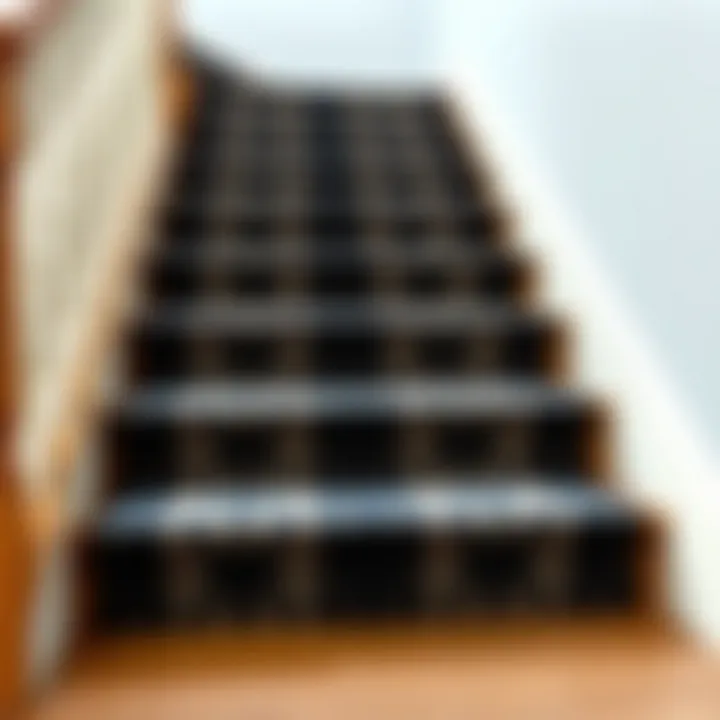
The role of complementary decor elements in the context of stair runners cannot be underestimated. When thoughtfully integrated, these elements transform not just the staircase but the entire ambiance of the space. Instead of focusing solely on the stair runner itself, considering how it interacts with surrounding furniture, walls, and accessories can elevate the overall design.
A runner can serve as a bridge that ties various components of a room together, or it can stand out as a statement piece. Therefore, understanding the balance between complementary decor elements is essential for homeowners, decorators, and designers alike. The right strategic placement and selection can lead to a cohesive and inviting atmosphere.
Furniture Pairing Tips
In the realm of interior design, furniture acts as the backbone of any room. When it comes to stair runners, pairing the right furniture creates a harmonious relationship that enhances both function and aesthetics.
- Color Coordination: When selecting a runner, take a close look at the existing color palette of the furniture. For example, a deep burgundy stair runner pairs beautifully with lighter wood tones, highlighting textures and inviting warmth into the space.
- Style Matching: Furniture styles should complement the runner's design. A modern geometric pattern would clash with traditional wooden bannisters, while a classic floral pattern could effortlessly bridge classical and contemporary elements.
- Scale & Proportion: It’s important to consider the size of both the furniture and the runner. A wide, expansive runner can easily anchor a room with large, imposing furniture, while a more delicate piece may get lost amid bulky designs.
Art and Accessories that Enhance the Runner
Art and accessories serve as the finishing touches that can dramatically impact the perception of space. When integrating these pieces with a stair runner, it’s essential to create visual connections that draw the eye.
- Wall Artwork: Select artwork that echoes colors, textures, or themes present in your stair runner. For instance, if your runner features intricate patterns in greens and blues, hanging complementary paintings or framed prints in similar hues along the staircase walls will create a cohesive narrative.
- Decorative Objects: Consider vases, sculptures, or decorative bowls that can sit on adjacent furniture. These items can echo the texture or color of the runner, enhancing the viewer’s experience as they move through the space.
- Textiles: Incorporate textiles such as cushions or throws that reflect tones or patterns found in the stair runner. This not only unifies different design elements but also invites comfort and warmth into the environment.
By focusing on complementary decor elements, you create a space where each piece informs and elevates the others. This synergy is vital for an inviting home.
Real-World Applications
Understanding the practical implications and real-world applications of extra long stair runners offers valuable insights for designers and homeowners alike. Beyond their aesthetic appeal, these runners serve several essential functions that can enhance both safety and style in a home. It's crucial to discern how specific installations can create character while addressing the functional demands of various environments.
Case Studies of Successful Installations
Looking into case studies allows us to observe how different homeowners have successfully integrated extra long stair runners into their living spaces. For instance, one family in a Victorian-style home utilized a sumptuous, floral-patterned runner to draw visitors' eyes upward, seamlessly complementing the ornate woodwork and ceiling detailing. The choice of a warmer color palette helped to enhance the coziness of their grand staircase.
Another noteworthy example can be seen in a modern loft setting where a sleek, solid-color runner anchored the space, connecting open stairs with the overall minimalist design. This installation not only provided a vital safety feature by preventing slips but also contributed to the visual flow of the home, thus reinforcing a sense of unity in design.
The importance of context shouldn't be overlooked. A quaint cottage might require a different approach, with a more rustic texture in the runner to resonate with its charm.
User Experiences and Feedback
When it comes to user experiences, feedback from homeowners can be illuminating. Many find that investing in an extra long stair runner is not merely about aesthetics; it often represents a significant enhancement to daily life. For instance, one user shared their experience of using a durable indoor-outdoor runner made from recycled materials. They noted how easy it was to clean and how it stood up to their pets' activity. This practical choice saved them both time and expense in maintenance.
Furthermore, multiple users have noted a profound change in the acoustics of their homes. One family reported that after installing their extra long stair runner, the sound of footsteps was significantly dampened, allowing for a quieter, more serene environment. This is particularly valuable in open-concept homes where sound can travel freely.
"With the stair runner, not only did our stairs look stylish, but we also felt more secure navigating them, especially with kids running around."
— A satisfied homeowner
In summary, exploring real-world applications of extra long stair runners reveals how these design elements can fulfill both aesthetic and functional roles. By digging into successful case studies and synthesizing user feedback, we grasp how integral these runners can be, transforming not just spaces, but experiences within them.
Future Trends in Stair Runners
In a world where home aesthetics speak volumes about personal style, stair runners deserve a spotlight of their own. As we step into an era where multi-functionality meets creativity, exploring the future trends in stair runners becomes essential. These trends not only reflect changing tastes but also enhance the functional and artistic appeal of staircases within various architectural frameworks. Homeowners and designers alike need to keep their fingers on the pulse of what’s emerging in the market to stay ahead of the curve.
Predicted Styles and Materials
Gaze into the crystal ball of design, and you’ll see a shift towards a marriage of tradition and modernity in stair runner styles. Expect to see a flourishing of bold patterns and colors coupled with classic motifs that imbue character while offering contemporary vibes.
Common materials are evolving too.
- Natural fibers like sisal and jute are making waves for those who lean towards sustainability.
- Polyester blends are creeping into the scene for their durability and variety in designs.
- Velvet and silk blend options offer a touch of luxury without breaking the bank.
Textures are also playing an important role here. Homeowners are opting for soft, textured finishes that provide comfort underfoot while making a statement. These materials are not only aesthetically favored but also practical, resisting wear and tear typical in high-traffic areas.
Innovations in Design and Functionality
Innovation is the name of the game in the world of stair runners. Enhancements in design capabilities are paving the way for custom solutions tailored toward individual tastes.
Understanding functionality is vital; stair runners are no longer merely decorative. With evolving technology, some of the new trends include:
- Anti-slip technologies embedded in the fabric are becoming more common, providing safety without compromising style.
- Eco-friendly solutions are gaining traction, with producers offering runners made from recycled materials, appealing to the environmentally-conscious homeowner.
- Smart textiles are on the horizon – think temperature control fabrics! These may sound like science fiction, but they might not be too far away, soon becoming a staple in luxurious home design.
To sum up, the realm of extra long stair runners is transforming dynamically. Staying in touch with these trends enables designers to curate spaces that are not only functional but also reflect the latest in design innovation. The selections of colors, materials, and innovations discussed here will not only satisfy the aesthetic cravings of our time but also embrace functionality and sustainability.
"Design is where science and art break even." – Robin Mathew
In anticipation of these trends, homeowners and designers should prepare to adapt and adopt. Keeping an eye on emerging styles will not only enhance personal living spaces but also inspire creativity in future projects.
Expert Opinions
Expert opinions enrich any discussion about home design, especially when it comes to elements like stair runners which play a significant role in the overall aesthetic and safety of a space. Gathering insights from seasoned professionals, such as interior designers and flooring specialists, can provide valuable guidance in making informed decisions. They not only share industry knowledge but also bring a wealth of experience that can lead to a more fulfilling and productive selection process.
Insights from Interior Designers
Interior designers are often at the forefront of home aesthetics and functionality. Their take on extra long stair runners sheds light on critical considerations when choosing the right runner for a home. These professionals emphasize the importance of harmony between the runner and the surrounding decor. For instance, a bold patterned runner might beautifully contrast with a minimalist environment, whereas a more subdued design could complement a richly decorated space.
Additionally, they recommend paying attention to scale and proportion. A staircase that is grand in design should ideally be paired with a runner that echoes its size, ensuring it doesn’t get lost or feel overwhelmed. Many designers suggest drawing inspiration from the color palette of adjacent rooms or prominent furniture pieces to create a unified look.
Furthermore, interior designers often highlight several key benefits of utilizing extra long stair runners:
- Safety: Runners provide additional traction, reducing the risk of slips and falls.
- Acoustics: These runners can absorb sound, making stairways quieter and more inviting.
- Visual Appeal: A thoughtfully chosen runner can transform an ordinary staircase into a stunning focal point.
"A stair runner is not just about aesthetics; it can show your style and provide practical benefits too. Always think about the bigger picture of your space." — Interior Designer
Industry Trends from Flooring Specialists
When it comes to the flooring industry, specialists keep their fingers on the pulse of what’s trending. Their insights reveal evolving patterns in materials, colors, and sustainable practices related to stair runners. For instance, there’s a marked shift towards eco-friendly materials, such as recycled fibers and sustainable textiles. Homeowners increasingly seek runners that are not only stylish but also responsible.
Flooring specialists also note that textures are gaining popularity; for instance, plush runners are sought after for their comfort underfoot, while flatweave options are favored for their clean, modern look. In terms of color, natural tones are making waves as they blend seamlessly with various design styles, from traditional to contemporary.
Here are some industry insights worth considering:
- Increasing demand for customized runners tailored to unique staircases.
- Popularity of bold graphics and textures in runner designs for statement-making.
- Focus on easy-care materials that can withstand high traffic and are simple to clean.
As trends continue to evolve, specialists suggest staying informed via industry exhibitions and design shows, which are often excellent sources for inspiration.
In summary, incorporating expert opinions into the decision-making process around extra long stair runners is invaluable. Not only does it enhance the aesthetics of a home, but it also ensures that functionality and safety are not overlooked.
End
As we reach the final destination of our exploration into extra long stair runners, it becomes clear that these decorative elements are far from mere afterthoughts in home design. They serve a multitude of purposes that extend beyond aesthetics, weaving together safety, comfort, and style into the very fabric of your living space.
One of the standout points made here is how these runners can elevate the safety of your staircase. Softening the impact on those potentially hazardous wooden steps, they can significantly reduce slip incidents—something especially valuable for families with children or elderly members. The materials chosen can also absorb sound, creating a quieter home environment. Not only do they shield bare wood from scuffs and scratches, but they also invite a touch of warmth, making traversing stairs feel more inviting.
From design trends to installation tips, every aspect outlined in this guide positions you to make empowered choices. Whether you are an interior designer seeking creative inspiration, or a homeowner eager for practical solutions, understanding the broad spectrum of options available is crucial.
Additionally, considerations regarding maintenance and care can't be overlooked; they ensure that your investment remains beautiful for years to come. Protecting your runner from stains goes hand-in-hand with understanding the best cleaning methods based on materials used.
In essence, selecting the right extra long stair runner involves a thoughtful synthesis of your space's needs, your aesthetic preferences, and your functional requirements. A well-chosen runner does not just connect floors, it connects styles, tones, and moments within your home.
Ultimately, this guide equips you with all the insights needed to transform your staircase into a showcase feature of your home. Think of extra long stair runners as a bridge—a bridge connecting beauty with functionality.
"A well-designed runner can take a mundane staircase and turn it into a striking statement piece."
Recap of Key Points
- Extra long stair runners enhance safety, minimizing slip risks and adding a soft landing.
- The choice of materials profoundly impacts aesthetics and maintenance.
- Color, pattern, and texture are key design considerations that align with the overall home decor.
- Installation requires a well-planned approach for a perfect fit and long-lasting appeal.
- Regular cleaning and care are essential for maintaining the runner's beauty and longevity.
- Trends vary from contemporary styles to timeless designs, offering something for everyone.
- Cost considerations need to be accounted for, both for the product and installation.
Selecting the right stair runner is not just about filling space; it’s about creating an inviting environment that accentuates the unique character of your home.