Bamboo Pendant Lighting: Style and Sustainability
Intro
Bamboo pendant lighting has carved a niche in the world of home decor, offering a fusion of aesthetic beauty and environmental consciousness. As we evolve in our approach to interior spaces, the use of bamboo as a lighting material shines bright due to its sustainability factors and versatile designs. Homeowners, decorators, and designers alike are increasingly drawn to the elegance and warmth that bamboo fixtures bring.
Historically, bamboo has been celebrated not only for its durability but also for its organic appeal. The craftsmanship behind bamboo pendant lighting emphasizes the superior artistry involved, making each piece a unique statement within the home. It's important, therefore, to explore the various styles of furniture that complement this kind of lighting, as well as the materials that enhance its functionality and aesthetic.
As we delve deeper into the intricate layers of bamboo pendant lighting, we’ll uncover how to select the ideal pieces for various design schemes and how these lights can elevate both modern and traditional spaces. This guide will serve as a comprehensive resource for anyone looking to integrate bamboo lighting into their homes, focusing on how practicality meets style, and how thoughtful choices contribute to eco-friendliness.
Foreword to Bamboo Pendant Lights
Bamboo pendant lights have emerged as a noteworthy choice in contemporary lighting design, merging aesthetics with functionality. These fixtures not only illuminate spaces but also offer an element of nature, bringing warmth and charm into a variety of interior settings. The significance of bamboo pendant lights lies in their ability to provide sustainable lighting solutions without compromising style. Designers, homeowners, decorators, realtors, and stylists will find themselves drawn to their unique qualities and the versatile roles they play within home decor.
One key aspect of bamboo lights is their eco-friendly nature. Bamboo, a fast-growing grass, is renowned for its sustainability. Unlike other materials used in manufacturing, bamboo requires minimal resources to cultivate, making it a favorable choice for environmentally conscious consumers. Consequently, the incorporation of bamboo lighting in spaces not only enhances aesthetic appeal but also contributes positively toward a greener planet.
Bamboo pendant lighting also boasts a wide array of designs. From minimalist to rustic styles, these fixtures can suit numerous tastes and preferences. They can serve as statement pieces in dining areas, cozy accents in living spaces, or functional elements in work areas. With such a range of designs, finding the right bamboo pendant light to harmonize with existing decor is a process that invites creativity and personal expression.
Furthermore, considering the natural aesthetic of bamboo is vital. Its warm tones and fine textures can complement various design themes, whether one favors modern, vintage, or eclectic interior styles. The light that filters through bamboo pendant lamps creates an inviting ambiance, softening harsh lighting that often pervades artificial decor.
In summary, bamboo pendant lights are noteworthy both for their beauty and functionality. They not only brighten rooms but also promote sustainability, making them a wise choice for those looking to infuse their living spaces with elements of nature. As we move through this article, we will examine their historical context, material qualities, design styles, and their role in environmental sustainability, providing a comprehensive view of bamboo pendant lighting's intricate appeal.
Historical Context of Bamboo in Lighting
The journey of bamboo from its natural habitat to becoming a sought-after material in lighting design reflects a broader narrative of cultural appreciation and resourcefulness. Over centuries, bamboo has carved out a special place in various traditions, dominating not just as a building material, but also as a vessel for light, symbolizing resilience and adaptability. This section unearths the cultural significance of bamboo, alongside its stylistic evolution in the realm of lighting, providing readers with a deeper appreciation of what makes bamboo pendant lights unique.
Cultural Significance of Bamboo
Bamboo, often referred to as "the green gold," holds a prominent status in various Asian cultures. In countries like China, Japan, and India, bamboo has not just functional purposes but also serves spiritual and aesthetic roles. In ancient China, for instance, bamboo appeared in poetry and art, symbolizing integrity and flexibility.
- Symbol of Strength: Bamboo’s remarkable strength despite its lightweight nature reflects a philosophical belief in resilience. This metaphor is evident in its use for lighting too; bamboo pendant lights are both sturdy and elegant.
- Versatile Decor: The incorporation of bamboo into lighting aligns with its versatility in decor. Traditional lanterns made of bamboo have lit up homes, temples, and even festivals, appearing as an element of celebration.
- Natural Harmony: For many cultures, using natural materials like bamboo creates a sense of unity with the environment. Bamboo lighting, therefore, acts as a bridge between modern living and ancestral wisdom.
In a modern context, designers often draw inspiration from these cultural roots, emphasizing the organic connection to nature that bamboo pendant lights embody.
Evolution of Bamboo Lighting Designs
The design of bamboo lighting has transitioned through various phases, responding to cultural shifts, technological advancements, and changing aesthetic trends.
- Traditional Lanterns to Modern Styles: The first bamboo lights were predominantly simple lanterns, crafted for functionality over style. They embraced utilitarian design, but as artists and designers began to explore bamboo's flexible nature, the designs evolved.
- Mid-Century Cherish: The mid-20th century saw a surge in the popularity of modernist design, leading to sleek, minimalistic interpretations of bamboo lighting. Designers began to experiment with geometric shapes, combining bamboo with metal and glass to create striking contrasts.
- Contemporary Fusion: Today, bamboo pendant lights reflect a blend of styles. Designers fuse traditional craftsmanship with contemporary design, creating pieces that can fit seamlessly into both modern and rustic homes. The focus has shifted towards sustainability, with many designers advocating for responsibly sourced bamboo.
The continuous evolution of bamboo lighting designs illustrates not just a shift in aesthetics but also a growing awareness of environmental responsibility. As we look to the future, the legacy of bamboo as a lighting material is only set to grow, fueled by both cultural reverence and innovative design approaches.
"Bamboo serves as a reminder that beauty can arise from simplicity and resilience, bridging our past with the future of design."
In exploring historical context, we appreciate how bamboo's role in lighting extends beyond mere functionality; it intertwines with stories of culture, tradition, and progress.
Material Properties of Bamboo
Bamboo stands out as a remarkable material for pendant lighting, blending functionality with unique aesthetic appeal. Understanding its material properties offers valuable insights into why bamboo is preferred for lighting fixtures in diverse settings. From its strength and durability to its natural beauty, bamboo provides practical benefits that not only enhance design but also cater to eco-friendly preferences. This section explores the standout properties of bamboo, shedding light on its relevance in creating exquisite pendant lighting.
Durability and Strength
One might think of bamboo as a delicate plant, but that couldn't be further from the truth. Bamboo is, in fact, one of the strongest natural materials available. Its unique structure gives it remarkable tensile strength—stronger, in fact, than many types of steel. This makes bamboo pendant lights not only long-lasting but also suitable for various environments, whether it's a bustling commercial space or a tranquil home. The natural resilience of bamboo can withstand the rigors of daily use, ensuring that your pendant lights remain intact and attractive over time.
Furthermore, bamboo's durability makes it resistant to warping, cracking, and splitting. Unlike traditional hardwoods that can be prone to environmental changes affecting their structure, bamboo maintains its integrity. Hence, investing in bamboo lighting means investing in longevity without compromising on style. The bamboo's ability to adapt to different humidity levels adds another layer of reliability, aiding in its application in modern homes where climate control might vary.
Natural Aesthetic Qualities
Bamboo has a warm and inviting charm that brings a very organic touch to any space. Its natural color ranges from light blonde to darker shades, providing various options for incorporating it into different design schemes. The fine textures and gentle variations present in bamboo create a visual interest that is both soothing and sophisticated. Whether presented in its raw form or stained to match existing decor, bamboo fits seamlessly into rustic, contemporary, or minimalist design concepts.
Additionally, the way bamboo interacts with light is noteworthy. When illuminated, the subtle variations in its surface create enchanting shadows and a soft glow, transforming the ambiance of a room. This natural translucency also allows for a distinctive layering of light, making it both functional and visually appealing. It invites a sense of connection to nature, promoting tranquility and comfort in an indoor setting.
"Bamboo’s timeless appeal provides not only a sustainable option but also a fusion of strength and beauty that enriches any space where it is installed."
In the end, the material properties of bamboo do vastly more than provide a mere structure for light bulbs. They work in tandem to create a soothing atmosphere while ensuring functionality and lifespan, making bamboo pendant lights a lucrative choice for savvy designers and homeowners alike. The marriage of durability and aesthetics ensures that light fixtures are not only practical but also serve as stunning focal points in any environment.
Design Styles of Bamboo Pendant Lights
The design styles of bamboo pendant lights present an exciting canvas where creativity meets functionality. Bamboo, with its innate qualities, lends itself to various aesthetic expressions that can complement multiple interior styles. Understanding these diverse design styles is crucial, as they provide homeowners, designers, and decorators with options that fuse style and purpose. Whether you're looking to elevate a specific room or maintain a cohesive look throughout your space, choosing the right pendant style can dramatically impact the atmosphere and functionality of your décor.
Let’s explore the distinct styles of bamboo pendant lights that are making waves in interior design today.
Minimalist Designs
Minimalism is about stripping down to the essentials, and what better material to achieve that than bamboo? Minimalist bamboo pendant lights embrace simplicity and clean lines. The beauty of these designs lies in their understated elegance. These lights often feature slender bamboo rods arranged in a geometric pattern, casting gentle shadows while maintaining a sleek profile.
- Key Features:
- Simple shapes that prioritize function.
- Often light in color to enhance natural light.
- Use of negative space to create an airy feel.
Such designs can serve as a focal point in a modern living room or kitchen, seamlessly integrating with other minimalist furnishings. With this style, less is truly more, allowing the beauty of the bamboo to shine through without overwhelming the space.
Rustic Elegance
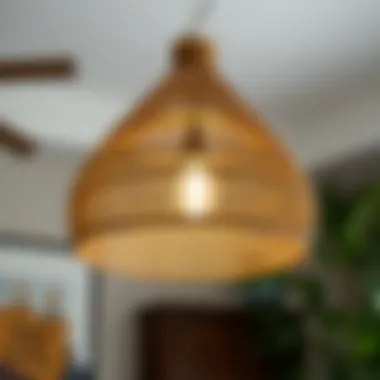
If you fancy a cozier vibe, the rustic elegance of bamboo pendant lights combines natural materials and finely crafted designs. These lights often evoke a sense of warmth, making them perfect for spaces where comfort is key. Incorporating elements like distressed finishes or woven bamboo enhances the rustic charm, creating a homey atmosphere.
- Key Features:
- Textured finishes that emphasize natural imperfections.
- Earthy tones that harmonize with wooden elements.
- Playful shapes, such as rounded or asymmetrical designs.
Rustic bamboo pendant lights can elevate a dining area, creating an inviting space for family gatherings. These fixtures tell a story of craftsmanship and natural beauty, perfectly suited for homes decorated in bohemian, farmhouse, or industrial styles.
Contemporary Interpretations
Last but not least, contemporary interpretations of bamboo pendant lights are pushing the envelope. These designs merge traditional techniques with modern aesthetics, resulting in striking fixtures that often feature bold colors and innovative shapes.
- Key Features:
- Unique shapes and geometric forms that challenge conventions.
- Bright colors or intricate patterns that make a statement.
- Integration of LED technology for energy efficiency.
These designs intrigue the onlooker and often serve as conversation starters in commercial or residential spaces alike. Imagine a vibrant bamboo pendant light hanging over a sleek, modern dining set, pulling the entire room together with a touch of creative flair.
"Choosing the right style of bamboo pendant light can significantly enhance not just the aesthetics of a room, but also its mood and functionality."
When selecting bamboo pendant lights, it's essential to consider your existing décor, the scale of the space, and, most importantly, the ambiance you wish to create. By acknowledging these different styles, you can make an informed decision that aligns with your vision of interior beauty.
Environmental Implications of Using Bamboo

The choice of lighting can significantly influence not just aesthetic appeal but sustainability as well. This section will dive into the environmental impact of bamboo, an increasingly popular material for pendant lights. The significance lies in addressing sustainable practices, resource management, and carbon emissions. As our world becomes more eco-conscious, understanding the environmental implications of materials used in home decor is critical for both designers and homeowners.
Sustainability of Bamboo as a Resource
Bamboo stands out among materials due to its rapid growth and renewable properties. It can reach its full height in just a matter of months, unlike traditional hardwoods, which may take decades to mature. This means that bamboo can be harvested sustainably without depleting forests. It thrives in a wide variety of conditions, requiring minimal care and water, making it a low-impact crop for farmers.
Some key points regarding the sustainability of bamboo include:
- Rapid Regeneration: Bamboo grows back quickly after harvesting. This ensures a steady supply without damaging the ecosystem significantly.
- Soil Health: The extensive root system helps prevent soil erosion and contributes to improving soil quality.
- No Need for Pesticides: Generally, bamboo is pest-resistant, which reduces the need for chemical fertilizers and pesticides.
When you choose bamboo pendant lights, you are not just investing in style; you are also helping to support sustainable agriculture. By embracing bamboo, designers and homeowners can promote greener choices in their decor.
Impact on Carbon Footprint
Bamboo's positive influence on the environment goes beyond mere sustainability; it also plays a key role in reducing carbon emissions. As a grass that effectively absorbs carbon dioxide, bamboo can significantly offset one’s carbon footprint. By incorporating bamboo into our lighting, we are making a step towards combating climate change.
Here's a closer look at how bamboo affects carbon emissions:
- Photosynthesis Efficiency: Bamboo has a high rate of photosynthesis, allowing it to sequester carbon quickly.
- Low Energy Manufacturing: The process to create bamboo lights involves less energy than that needed for many synthetic materials, lowering overall carbon output during production.
- Biodegradability: Bamboo products are biodegradable. Disposing of them does not contribute to landfill waste like plastics or metal, which can take centuries to decompose.
"By choosing bamboo, you not only opt for aesthetic beauty but also contribute significantly to environmental health."
In summary, bamboo offers a sustainable alternative that can enhance both interior spaces and ecological well-being. As we move further into a future that prioritizes sustainability, choosing bamboo pendant lights is not just a stylish choice; it's a responsible one.
Selecting the Right Bamboo Pendant Light
Choosing a bamboo pendant light involves more than just picking something that looks nice. It’s about finding a piece that fits not just your personal style but also complements the dimensions and ambiance of the space. The right light fixture can elevate an entire room's aesthetic, so understanding the nuances of size, color, finish, and how it blends with your existing decor is key.
Considerations for Size and Scale
Selecting the right size and scale of bamboo pendant light is crucial. A light that is too small can get lost in the vastness of a room, while one that is oversized may overwhelm the space. Measure the height and width of the area where the light will hang. A common guideline is to hang the light so that the bottom of the pendant is about 30 to 36 inches above a countertop or table. For larger spaces, you might need multiple fixtures or a larger piece that can command attention without overshadowing other decor elements.
- Room Size: Smaller rooms do better with single pendants, while larger rooms might benefit from clusters or multiple pendants to distribute light evenly.
- Ceiling Height: If you have high ceilings, consider longer cords or chains; for standard heights, shorter fixtures keep the look proportional.
Choosing the Right Finish and Color
The finish and color of bamboo pendant lights can significantly alter their visual impact. Bamboo inherently has a warm, natural tone, but it can be treated or paired with finishes that suit your taste. Opting for a light that contrasts with your walls can make it a focal point or choosing a similar finish can create a subtle, harmonious vibe.
- Natural vs. Stained: A natural finish showcases the texture and grain of bamboo, while a stained finish might add a modern twist.
- Color Considerations: If your décor features bold colors, a lighter bamboo finish might soften the overall look. Conversely, dark finishes can add drama and sophistication.
Harmonizing with Existing Decor
A bamboo pendant light should feel like a natural extension of your home’s aesthetic. Take a good hard look at your current decor. Are your furniture pieces modern, rustic, or perhaps eclectic? When selecting your pendant, ensure it resonates well with the other elements in the room. This isn't just about matching colors; it’s also about material and style.
- Style Cohesion: For a contemporary space, you might choose a pendant with sleek lines, while a rustic home could benefit from a more handmade appearance.
- Material Match: Consider the other materials used, such as metal, glass, or fabric. A blend of wood and metal can often enhance the interest without becoming chaotic.
A well-chosen bamboo pendant light not only illuminates a space but also weaves itself into the narrative of your home, making it more than just a source of light.
By taking these factors into account, one can successfully navigate the sea of options available for bamboo pendant lighting. Attention to size, finish, and how well it integrates with existing decor will ensure that your selected piece is not just functional, but also an aesthetically pleasing addition to your home.
Installation and Maintenance of Bamboo Pendant Lights
Bamboo pendant lights have a unique charm that can transform a space from mundane to extraordinary. However, the allure of these fixtures largely depends on two essential aspects: proper installation and regular maintenance. As beautiful as they are, ensuring that these lights are installed correctly and maintained thoroughly is crucial not only for their longevity but also for safety. Below, we explore the significance of these two areas in detail.
Proper Installation Techniques
Installing bamboo pendant lights requires specific attention to detail and awareness of various factors. Here are some key techniques to focus on:
- Location and Height: When installing, it's essential to consider the area’s overall layout. Typically, pendants should hang 30 to 36 inches above a table or countertop. But if it's high-traffic space, you want to ensure it’s from the heads of the people passing beneath.
- Electrical Connections: It's advisable to consult or hire a qualified electrician for any electrical work. Securely connecting the fixture to the power source is vital to avoid potential hazards.
- Weight Distribution: Bamboo fixtures can vary in weight, so ensure that the ceiling mount is robust enough to support it. Use toggle bolts or anchors for added security if the fixture is particularly heavy.
- Spacing Considerations: If putting multiple bamboo pendants in a row, ensure they are evenly spaced apart. A good rule of thumb is to keep them about 24 to 30 inches apart to maintain an aesthetically pleasing symmetry.
"Installation is the first key to maximizing both the beauty and function of your bamboo pendant lighting. Ensuring they are hung at the right height can change the entire mood of a room."
Routine Maintenance and Care
Keeping your bamboo pendant lights in good condition isn't as labor-intensive as one might think. With just a few steps, you can ensure their beauty lasts:
- Dust Removal: Natural bamboo can accumulate dust over time. Use a soft, dry cloth or a feather duster to gently wipe surfaces. Avoid using water or any cleaning solutions that may damage the finish.
- Periodic Checks: Examine the fixture for any signs of wear or electrical issues. Look for frayed wires or loose connections, which could pose safety risks.
- Avoid Excessive Moisture: Since bamboo is a natural material, it can react negatively to moisture. In areas with high humidity, consider using a sealant to help protect the bamboo’s surface.
- Lightbulb Changes: When changing bulbs, ensure the fixture is turned off and cool to avoid burns. Use bulbs that fit the wattage recommended by the manufacturer to prevent overheating.
By prioritizing proper installation and routine maintenance, homeowners and designers can ensure that bamboo pendant lights not only serve their functional purpose but also continue to be a stunning focal point in any setting.
Bamboo Pendant Lights in Various Settings
Bamboo pendant lights serve as versatile lighting solutions that enhance not only the aesthetics but also the ambiance of various environments. Their ability to blend seamlessly into different settings makes them a sought-after option for designers and homeowners alike. Understanding how bamboo pendant lights can be strategically utilized in different spaces is essential for making informed choices when considering such fixtures. Whether it's for a cozy living space or a bustling commercial venue, these lights bring unique charm and sustainability to the forefront.
Residential Applications
When it comes to home settings, bamboo pendant lights can illuminate areas in ways that complement the decor. Here are some key points to consider:
- Living Rooms: A bamboo pendant light can act as a striking centerpiece. Its natural materials contrast beautifully with modern furniture, inviting warmth into the room.
- Dining Areas: Hanging a bamboo pendant light above the dining table creates an intimate atmosphere, perfect for family gatherings and dinner parties.
- Kitchens: These lights can offer practical illumination over kitchen islands or counters, while adding a splash of character. Their natural finish can blend with wood cabinetry.
One can think of incorporating a bamboo pendant in a living space as an invitation to coziness and nature—an effortless connection between indoors and outdoors. The organic shapes and textures can evoke the serene feel of a zen garden, creating a restful ambiance that enhances everyday experiences.
Commercial Use Cases
On the commercial side, bamboo pendant lights are not just functional; they also convey a brand's commitment to sustainability. Here’s how they can be applied effectively in different commercial settings:
- Restaurants and Cafes: Utilizing bamboo pendant lighting here can establish a welcoming and trendy environment that draws patrons. Eye-catching designs can amplify the dining experience, making establishments stand out.
- Retail Stores: Retailers can create an earthy vibe that resonates with eco-conscious consumers. Innovative designs made from bamboo can reflect the identity of the brand and attract clientele who value sustainability.
- Offices: In modern workplaces, using bamboo lights can foster a calming working environment. They provide a contrast to stark industrial designs, representing a step toward a more humane, nature-focused workplace.
"Bamboo lighting brings a touch of nature indoors, creating not just a source of light but crafting an experience that captivates the senses."
Future Trends in Bamboo Lighting Design
The future of bamboo pendant lighting is a captivating realm where traditional craftsmanship meets modern innovation. As eco-consciousness grows and design aesthetics evolve, the integration of bamboo into lighting is gaining unprecedented traction. This section emphasizes why staying informed about these trends is crucial for designers, homeowners, and decorators alike.
Why It Matters
Understanding future trends in bamboo lighting design not only helps in making more informed purchasing decisions, but also allows individuals to appreciate the artistry and sustainability behind each piece. Furthermore, adaptability in design translates to creating spaces that resonate with contemporary style while honoring age-old crafting techniques. Such insights are invaluable for anyone looking to enrich their living or working environments.
Innovations in Bamboo Craftsmanship
The ongoing evolution of bamboo craftsmanship reflects a fusion of traditional techniques with fresh perspectives. Artisans are experimenting with innovative approaches that showcase bamboo's flexibility—both as a material and a design medium.
- Techniques and Tools: Modern tools and methods are enabling craftspeople to refine their processes. For instance, CNC machinery allows for intricate cuts and designs that might have been impossible by hand. This precision not only enhances the aesthetic appeal but elevates the structural integrity of the lights.
- Sustainable Practices: Increasingly, craftsmen are blending modern technology with sustainable practices. They prioritize sourcing bamboo from responsible farms that practice reforestation. This ensures that bamboo remains a renewable resource, minimizing environmental impact while maximizing aesthetic value.
- Collaborative Designs: Another trend is collaboration between designers and artists, leading to unique pieces that truly stand out. Such collaborations often invite diverse influences, showcasing a variety of styles—from minimalist to bohemian—while utilizing bamboo's natural beauty.
Integrating Technology with Natural Materials
The intersection of technology and natural materials is not just a fleeting trend, but a fundamental shift in how we approach design. In bamboo lighting, this means harnessing modern tech to enhance the user experience while promoting sustainability.
- Smart Lighting Options: With advancements in smart home technology, bamboo pendant lights are equipped with features that allow for customization in brightness and color. Imagine being able to adjust the warmth of your lighting to match the time of day or mood—now that's a modern twist on an age-old material.
- Energy-Efficient Solutions: LED technology is becoming the gold standard for illuminating bamboo fixtures. By integrating LED lighting, manufacturers can create fixtures that not only use less energy but also offer longevity, thereby reducing waste over time.
- Digital Design Prototyping: Tools like 3D modeling software aid designers in envisioning their creations before production. This leads to better planning and minimizes material waste, ensuring that every piece produced is both beautiful and efficient.
"In the pursuit of sustainable design, the harmonious blend of bamboo and cutting-edge technology serves as a blueprint for the future."
As we navigate the trends on the horizon, it becomes ever clear that bamboo pendant lighting will continue to weave its way into our homes and businesses, serving not only as functional light sources but also as statements of style, sustainability, and innovation.