
Exploring Yellow Plastic Flower Pots' Aesthetic and Functionality

Intro
Yellow plastic flower pots are not just simple containers for your plants; they are vibrant touchstones that add a splash of color to any indoor or outdoor space. In this article, we'll take a closer look at these versatile pots, their practical uses, and how they can effortlessly enhance the aesthetic appeal of your home and garden design. From brightening up neglected corners of your patio to bringing liveliness to indoor spaces, yellow flower pots have much to offer.
In the sections that follow, we’ll explore the various furniture styles that incorporate these delightful pots, examine the material choices available, and discuss the ecological implications of using plastic in gardening. Join us as we navigate through the significance of yellow plastic flower pots in home decor and landscape designs.
Intro to Yellow Plastic Flower Pots
Yellow plastic flower pots have carved out a unique niche in the world of gardening and home decor. This article sheds light on their versatility and charm, exploring their multifaceted roles in enhancing both indoor and outdoor spaces.
To begin, the importance of yellow plastic flower pots extends beyond aesthetic appeal. They represent a harmonious blend of functionality and design, catering to the needs of homeowners, designers, and garden enthusiasts alike. Given their vibrant color and lightweight nature, these pots serve as both practical containers for plants and statement pieces that brighten spaces.
Defining the Aesthetic
When we think of aesthetics, color plays a pivotal role. Yellow, often associated with sunshine and warmth, can uplift the ambiance of any setting. Yellow plastic flower pots exemplify a playful yet elegant element in design, adaptable to various themes from modern minimalist to rustic charm. Their smooth surface and bright hue can create a striking contrast in lush green gardens or complement vibrant florals indoors.
Moreover, they do not just exist as vessels for plants; they become art pieces. Picture a simple yellow pot sitting atop a grey concrete pedestal. Instantly, the visual appeal is accentuated, reflecting a nuanced understanding of color interplay in design.
Historical Context
The journey of flower pots is as intricate as the plants they hold. While ceramic pots have long been the traditional choice in horticulture, plastic pots emerged in the mid-20th century, favored for their durability and cost-effectiveness. However, it was only in the late 20th century that color variations, particularly bright hues like yellow, began to gain traction.
Historically, yellow pots were rare, often overshadowed by more muted colors. They now reclaim their place, suggesting a shift towards vibrant styles in home decor. This trend reflects a broader acceptance of color in design, indicating that pots are more than just functional accessories; they are integral aspects of interior and exterior design.
Color Psychology and Its Impact
Color psychology reveals how colors affect our emotions and perceptions. Yellow, for instance, is linked to feelings of cheerfulness, optimism, and positivity. In the realm of flower pots, this effect can amplify the beauty of surrounding plants. When placed strategically, yellow pots act as visual anchors, drawing attention while creating a sense of well-being.
Consider this: a garden populated with greens and browns, accented by the warmth of sunny yellow pots can evoke a refreshing outdoor retreat. Alternatively, indoors, these pots can break the monotony of a bland room, ushering in a vital energy that can inspire creativity and happiness.
In summary, yellow plastic flower pots serve a dual purpose. They enrich aesthetic experiences while playing into historical trends and color theories, making them a valuable choice for anyone aiming to breathe new life into their environment.
Practical Benefits of Yellow Plastic Flower Pots
When it comes to integrating color and functionality in gardening or home decor, yellow plastic flower pots often fly under the radar. Yet, these vibrant containers do more than just cradle your flora; they embody a variety of practical benefits that make them an admirable choice for anyone seeking to elevate their green spaces.
Durability and Weather Resistance
One of the standout features of yellow plastic flower pots is their exceptional durability. These pots are crafted from high-quality polymers that stand the test of time. Unlike terracotta or ceramic options, plastic pots are less prone to cracking, chipping, or breaking. You can leave them out in the rain or shine without concern.
Additionally, their weather-resistant properties ensure that they can withstand the elements without deteriorating. This is particularly useful for outdoor garden setups where exposure to rain, sun, and temperature fluctuations can take a toll on lesser materials. You won't find yourself replacing these pots every season.
Lightweight Nature for Ease of Use
If you've ever wrestled with a heavy planter, you know that moving around your green friends can become a chore. This is where the lightweight nature of yellow plastic flower pots shines. They're easy to handle, making it simple for gardeners of all ages to shift, rearrange, or even stack the pots as needed.
This aspect becomes even more important for indoor settings. Picture a vibrant yellow pot brightening your living room or balcony—its lite weight not only makes it easy to switch locations but also reduces the strain on furniture and floors.
Affordability Compared to Alternatives
Affordability is often a deal-breaker for many homeowners or amateur gardeners. When you compare yellow plastic flower pots to their glazed ceramic or stone counterparts, the difference can be quite stark. Typically, plastic pots come with a lower price tag, giving them a significant edge, especially for those who might be filling an entire garden or patio area.


Moreover, their low cost doesn’t compromise on quality. The long-lasting nature and resistance to damage can mean fewer trips to the garden center over time, ultimately making them a wise investment.
Consider this: The lower initial cost combined with their durability means that yellow plastic flower pots can save you money in the long run.
In sum, yellow plastic flower pots not only offer versatility in design but also substantial practical benefits that cater to the needs of homeowners and gardeners. From their robustness to their affordability, each aspect contributes to the allure of welcoming these cheerful pots into various settings.
Design Versatility of Yellow Plastic Flower Pots
When we talk about yellow plastic flower pots, it isn’t just about utilitarian shapes or vibrant colors; it’s a whole world of design possibilities. These pots serve a dual purpose, marrying beauty with functionality. Their versatility allows them to adapt to various settings, making them a popular choice among designers and homeowners alike.
Indoor Decor Applications
Enhancing Living Spaces
Yellow plastic flower pots can brighten up any room. They add a splash of color that can energize the atmosphere. Consider placing them in your living room or kitchen. The lively hue can transform your decor from dull to delightful. One standout feature is the ability to house different plant sizes, effortlessly bringing life into your space. Having a mix of small and large pots creates a visual hierarchy that draws the eye. On the flip side, if you're not into color clashes, you should think about your overall color palette to ensure harmony.
Complementing Minimalist Designs
For those who embrace minimalism, yellow plastic flower pots offer a striking contrast without overwhelming the scene. Their clean lines and sleek design fit perfectly in spaces focused on simplicity. This choice not only adds a fresh zest but also highlights the contours of your plants. Choosing a pot with a matte finish could make it even more appealing in a minimalist setting, as it avoids unnecessary shine. Just keep in mind, though, that placing a bright yellow pot in a very neutral space might call for some other accents to balance the boldness.
Outdoor Garden Integration
Creating Colorful Garden Display
In outdoor spaces, yellow pots can significantly enhance garden aesthetics. They act as vibrant companions to assorted blooming flowers, creating a joyous ambiance. You'll notice that they shine brightest in gardens filled with greens and earthy tones. Their light-reflecting qualities can make your garden appear more spacious, which is often a desired effect in smaller yards. However, it's essential to match your flowers carefully, as certain plants may not shine against the vividness of a yellow backdrop.
Attracting Pollinators
Many studies show that color plays a crucial role in attracting pollinators. Yellow, being one of the most discernible colors for insects like bees, can serve a practical purpose beyond decorative appeal. Placing these pots strategically in your garden might welcome more busy bees and butterflies, aiding your garden's eco-system. Just remember, a pot overflowing with vibrant flowers could easily outshine others in a more subdued surrounding, which may lead to an imbalance in your garden’s aesthetic.
Use in Commercial Spaces
Office Environments
Integrating yellow plastic flower pots into office spaces can work wonders for workplace morale. The cheerful color could help reduce stress and foster productivity among employees. One of the benefits of using these pots in a corporate setting is their ability to easily switch styles, fitting both formal and casual environments. Using a variety of sizes can make an area feel larger and more open. However, careful selection is wise; a bold yellow might not be ideal in more serious corporate offices focusing on a subdued atmosphere.
Retail Applications
In retail spaces, yellow plastic flower pots can catch the eye of potential customers. Placing these pots near entrances or checkout lines can add to a welcoming vibe. They serve as unique displays that can complement product showcases. Moreover, they tend to be inexpensive, allowing businesses to refresh their decor without breaking the bank. Yet, finding the right balance is important, as too much color excitement can overshadow merchandise instead of enhancing it.
Yellow flower pots are more than just planters; they are statement pieces that can charm any environment with their joy and utility.
This level of versatility solidifies yellow plastic flower pots as an excellent choice for anyone looking to enhance both indoor and outdoor spaces.
Choosing the Right Yellow Plastic Flower Pot
Selecting the appropriate yellow plastic flower pot may seem like a small detail, yet it can significantly influence the overall appeal and functionality of your gardening or home decor. The right pot isn’t just about looks; it also ensures that your plants get the right care they need. There’s a lot to consider, from size and design variations to drainage features. Understanding these factors can lead to better choices that enhance both aesthetics and plant health.
Size Considerations
Small vs. Large Pots
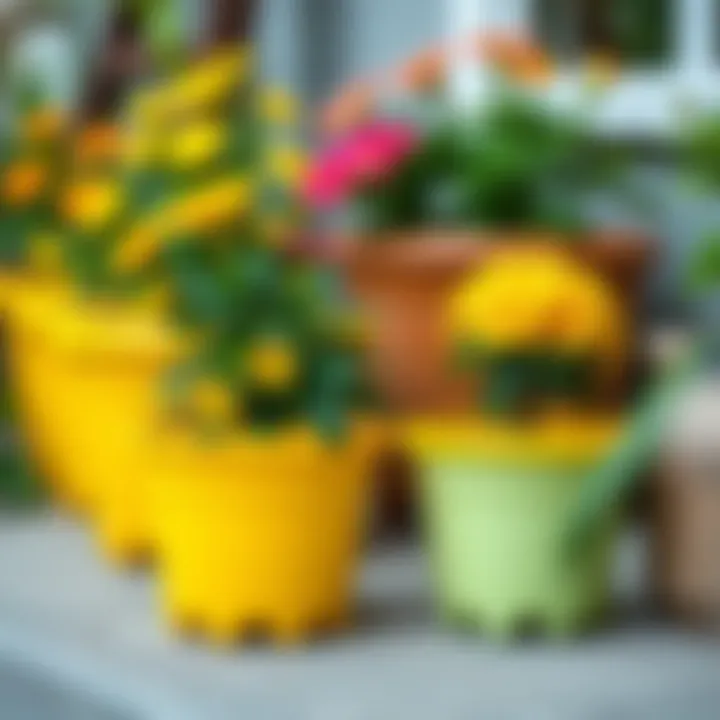
Choosing between small and large pots can depend on various circumstances and needs. Short pots tend to be a popular choice for indoor plants, offering a compact design that saves space without compromising style. They are, however, limited in terms of root depth, which can restrict the growth of larger plants. On the flip side, larger pots provide ample room for roots to spread, making them more suitable for significant plants or when looking to create impressive displays.
A key characteristic of larger pots is their ability to retain moisture better. This means less frequent watering, which is beneficial for those who may forget to tend to their plants regularly. However, larger pots can be heavier and more cumbersome when moving or rearranging your decor.
"Choosing the right pot size can make or break your plants’ health."
Proportionality with Plant Sizes
Proportionality is also a vital consideration. Ensuring that the pot size complements the plant size is essential for fostering healthy growth. A small succulent in a massive pot can tend to suffocate the plant, as the excess soil retains too much moisture. In contrast, a tall plant in a tiny pot can quickly outgrow its space, leading to stunted growth and other issues. The right pot size not only supports healthy development but also enhances the visual appeal of your display.
When thinking about proportionality, consider the growth potential of your plants. For example, if you’re planting a sunflower that can grow several feet tall, pairing it with a pot that matches its stature will provide stability and support. Similarly, smaller herbs can thrive in petite pots but may require a few together to create a fuller look.
Design and Style Variations
Sleek Modern Designs
Sleek modern designs have gained traction in recent years, resonating well with contemporary decor styles. These pots usually feature streamlined shapes and smooth finishes, promoting a minimalist aesthetic that many find appealing. Such designs can blend seamlessly into various settings, from chic urban apartments to stylish cafes.
The appeal of modern pots lies in their versatility. They can stand alone as focal points or subliminally enhance a space when grouped with other decor elements. However, it’s crucial to ensure the style matches the plants you select, as a bold, vibrant flower in a stark pot might create a visual dissonance.
Traditional Patterns
On the other hand, traditional patterns offer a warm, classic touch that many homeowners find inviting. These pots often feature intricate designs that evoke a sense of nostalgia. They can be an ideal choice for rustic or vintage-themed settings, effortlessly blending charm with functionality.
While traditional pots encapsulate warmth and personality, they may not suit modern or minimalist decor. Additionally, the intricate designs may distract from the plants themselves, masking their beauty instead of highlighting it. That’s why balance is key when selecting these styles.
Drainage Features and Their Importance
Proper drainage is paramount when it comes to potted plants. Yellow plastic flower pots that include effective drainage holes are essential to prevent water from pooling at the bottom. This pooling can lead to root rot, an issue that can quickly derail even the most passionate gardener’s efforts.
Look for pots that combine aesthetics with practicality, ensuring that design doesn’t compromise the health of your plants. Some modern designs cleverly integrate drainage systems that are both functional and unobtrusive, allowing you to maintain the look you desire while nurturing your plants adequately.
Moreover, understanding the watering needs of your plants can help in this consideration. For example, succulents do better with pots that have excellent drainage due to their moisture sensitivity. Conversely, herbs may benefit from pots that require more moisture retention.
By taking these factors into account, you can select a yellow plastic flower pot that not only shows off your plants beautifully but also offers them an environment to thrive.
Caring for Your Yellow Plastic Flower Pots
Maintaining yellow plastic flower pots is essential for ensuring they remain not just functional but also visually pleasing. Whether you're a gardener, homeowner, or designer, these bright containers can add a pop of color and charm to any setting. However, over time, they can become dirty, faded, or even damaged if not cared for properly. This section will dive into actionable steps you can take to keep these pots looking their best, making sure they continue to enhance your spaces.
Cleaning and Maintenance Tips
Keeping your yellow plastic flower pots clean is an important part of their upkeep. Regular cleaning prevents dirt and grime from building up, which can distract from the vibrant color and even hinder plant growth.
- Frequency: Aim to clean your pots every few months, more often if they are exposed to dirt or the elements.
- Materials: Use mild soap mixed with warm water. A sponge or soft brush works wonders without scratching the surface.
- Scrubbing tips: For tougher stains, a mixture of baking soda and water can be effective. Just apply, let sit for a few minutes, and then scrub gently.
- Rinse thoroughly: Make sure all soap residue is removed before replanting. Nothing worse than putting fresh soil in a pot that still smells like detergent!
By making cleaning a routine part of your gardening or decorating tasks, your yellow pots will remain bright and cheerful.
Preventing Discoloration from Sun Exposure
Plastic can degrade under intense sunlight, often causing that eye-catching yellow color to fade over time. To prevent this:
- Use UV-resistant options: If purchasing new pots, look for those marketed as UV resistant. They tend to hold their color better when exposed to sunlight.
- Strategic placement: If possible, position your pots in partial shade during the hottest parts of the day. This can minimize direct sun damage.
- Protective treatments: Applying a clear sealant designed for plastic can offer a layer of protection against UV rays.
Even with care, some fading might still happen, but these steps will help extend the life of your pots significantly.
Longevity Strategies
To ensure your yellow plastic flower pots stand the test of time, a few strategies should be considered:
- Avoid overexposure to weather extremes: If you live in a climate with harsh winters or scorching summers, consider bringing your pots indoors during these extremes.
- Store Properly: When not in use, store pots in a cool, dry place, away from direct sunlight to prevent warping or deteriorating.
- Repair Dents and Cracks: If you notice any damage, address it promptly. Minor cracks can sometimes be mended with super glue or plastic repair kits, prolonging the life of your pots.
Maintaining your yellow plastic flower pots doesn't have to be a chore. With these tips, you can ensure they’ll stay vibrant and sturdy, adding joy to your gardening experience and enhancing the aesthetic value of your home or garden.
"Sustainability in gardening starts with the care of the tools we use, including our beloved flower pots."
By following these practices, you'll be making informed decisions that benefit both your plants and the environment.
Sustainability Considerations
Recyclability of Plastic Pots
When we talk about sustainability, the recyclability of yellow plastic flower pots comes to the forefront. These pots, often made from polypropylene or polyethylene, can be recycled at facilities that accept these materials. It's crucial for consumers to check for the recycling symbols usually stamped at the bottom, as it indicates their recyclability. By opting for pots marked with the recycling symbol, you contribute to a circular economy, reducing landfill waste and promoting the reuse of materials. Not only does this practice help lessen environmental impact, but it also reduces the demand for new raw materials. Just imagine how many discarded plastic pots could return to the loop, transforming into new garden essentials, rather than piling up in our landfills.
Biodegradable Alternatives
While traditional plastic pots serve their purpose, the rise of biodegradable alternatives is noteworthy. Options made from materials like coconut coir, bamboo, or other plant-based products are becoming more popular. These alternatives break down over time, enriching the soil and contributing to a healthier ecosystem. It's important to keep in mind, though, that while they offer environmental benefits, they may not provide the same durability as plastic pots. This trade-off is vital to consider—do you prioritize immediate functionality, or are you committed to long-term environmental health? Choosing biodegradable pots can be a step towards more sustainable gardening, particularly in eco-conscious communities.
Eco-conscious Gardening Practices
Incorporating yellow plastic flower pots into your garden doesn't have to be at odds with eco-friendly practices. There are varied approaches you can adopt that blend aesthetic appeal with sustainability. Here’s a look at some eco-conscious gardening practices:
- Reuse and Repurpose: Instead of tossing away old pots, consider ways to give them new life. They can serve as organizers in your workshop or even as creative home decor.
- Water Conservation: Using yellow pots can help reduce moisture loss. A simple stash of them can keep your plants hydrated under the blazing sun, minimizing the need for excessive watering.
- Composting: When planting in biodegradable pots, any plant material and even the pot itself can be composted, enriching your garden’s soil over time.
"Choosing pots thoughtfully can harmonize beauty with sustainability, creating a garden that's both vibrant and environmentally friendly."
In summary, sustainability considerations extend beyond plants and soil—they encapsulate the broader impact of our gardening choices. By understanding the recyclability of yellow plastic pots, exploring biodegradable options, and implementing eco-conscious gardening practices, you can cultivate not only your garden but also a responsibility toward the planet.
Connecting form with function, the yellow plastic flower pot evolves beyond mere aesthetics into an essential element of a sustainable gardening ethic.
Finale: Embracing Yellow Plastic Flower Pots
Yellow plastic flower pots represent more than just containers for plants; they are a celebration of color, style, and practicality. As we have seen throughout this exploration, these pots seamlessly combine visual appeal with functional attributes, making them desirable choices for homeowners and designers alike.
The vibrant hue of yellow injects a sense of joy into any environment, casting a warm glow in both indoor and outdoor settings. This cheerful color can brighten up dull corners, enhancing overall mood and aesthetic. Pair that with the practicality of plastic—namely its durability and lightweight nature—and one truly begins to appreciate the meld of form and function these pots offer.
Final Thoughts on Aesthetics vs. Functionality
When considering any decorative item, a balance between aesthetics and functionality is crucial. Yellow plastic flower pots excel in this regard. They come in various designs that cater to both modern minimalism and traditional styles, ensuring that there’s something for everyone.
Practical aspects like ease of care and cost-effectiveness further add to their attractiveness. Homeowners may find that investing in these pots is not merely a choice of beautification but a smart way to manage plant care. For those in commercial spaces, such as offices or retail environments, the usage of these colorful pots can enhance the branding and ambiance, drawing attention and creating welcoming spaces.
"In design, it's not just about what looks good, but how it serves its purpose."
Future Trends in Flower Pot Design
As we gaze into the future, flower pot design is poised to evolve tremendously. Influences from urban gardening trends are already shaping the way materials and shapes are conceived. Yellow plastic flower pots may soon see innovative adaptations to enhance their functionality, such as self-watering systems or built-in drainage solutions, all while maintaining their characteristic charm.
Sustainability is another crucial aspect where the future seems to be heading. Expect to see more pots that use recycled or eco-friendly materials, giving consumers green options without compromising on style. As designers and homeowners continue to seek unique designs, one may also find an infusion of technology in plant care, such as pots that monitor soil moisture levels.
In summary, the evolution of yellow plastic flower pots is just beginning. Their ability to adapt to both aesthetic demands and practical needs makes them a staple in today’s design landscape. Embracing them is not merely a decorating choice; it is a nod to an evolving understanding of blending beauty with utility.