Woven Flower Pots: Beauty and Function Combined
Intro
Woven flower pots are making a comeback, and for good reason. Combining practicality with an artful touch, these planters not only serve as homes for your blooms but also add character to any décor. This article takes a closer look at the myriad aspects of woven flower pots, including their stylish designs, materials, and maintenance tips. It aims to be a guiding light for designers, decorators, and homeowners who seek to infuse their spaces with a touch of nature and artistry.
As trends in home décor shift, many are turning towards sustainable and unique options like woven pots. You might be asking yourself—why choose woven over traditional ceramic or plastic? The answer lies in their versatility, aesthetics, and the craftsmanship behind their creation. This write-up will explore these elements and provide practical advice on integrating woven flower pots into your living spaces.
Furniture Styles
Overview of Popular Furniture Styles
When thinking about home design, it’s critical to understand how various furniture styles interact with one another. Woven flower pots are no exception to this rule. Whether your home leans towards minimalist Scandinavian, rustic farmhouse, or bohemian chic, the adaptability of woven pots can seamlessly blend with diverse aesthetics.
For instance, in a cozy cottage-style setup, natural woven pots filled with greenery can enhance the warmth and earthiness of the environment. Their organic textures invite a tactile experience, thus enriching the senses. Conversely, in a sleek contemporary setting, a simple, modern woven pot can serve as a striking contrast against minimalist furniture, adding a layer of complexity without overwhelming the space.
Mixing and Matching Styles for Your Home
The beauty of woven flower pots is their ability to harmonize with various styles. Mixing and matching decor elements can create an eclectic yet cohesive space. Here are a few ideas to inspire you:
- Soft Fabrics and Textiles: Utilize woven flower pots alongside soft textiles like linen or cotton in your throws and cushions.
- Contrast with Metal: Pair wicker pots with metal furniture accents to create a striking balance.
- Natural Elements: Combine your pots with other natural materials, such as wood or stone, to pull it all together seamlessly.
"The best interiors are a blend of styles that express your unique personality and taste."
These combinations allow you to express individuality while maintaining a consistent aesthetic throughout your home.
Material Choices
Benefits of Different Furniture Materials
Choosing the right material for woven flower pots is just as important as selecting the right style. Traditional options often include rattan, bamboo, and seagrass—all of which offer varied benefits. For instance:
- Rattan: Lightweight and durable, it is perfect for both indoor and outdoor use. The natural color of rattan complements a wide range of environments.
- Bamboo: This grass is a sustainable choice for eco-conscious decorators. Its unique texture adds depth and interest to decor.
- Seagrass: Often seen in coastal themes, seagrass brings a touch of the beach into your home.
Each of these materials provide not only visual interest but also practical advantages, such as good ventilation for plant roots and ease of cleaning.
Eco-Friendly Furniture Options
In a world increasingly concerned with sustainability, the demand for eco-friendly materials is on the rise. Woven flower pots made from recycled materials or responsibly sourced natural fibers align with this ethos. You can find products that are crafted with care for our planet, setting a precedent for responsible consumption. Brands that adopt environmentally friendly practices are more than just a trend—they reflect a significant step towards sustainable living. It's worth your while to seek out these options while shopping for your accessory planters.
Prolusion to Woven Flower Pots
Woven flower pots have become an integral piece in the world of home decor, adding both aesthetic appeal and functional advantages for gardeners and decorators alike. This article seeks to explore the intricate art and utility behind these unique planters, shedding light on why this topic matters to an audience of designers, homeowners, decorators, realtors, and stylists.
The significance of woven flower pots spans historical, cultural, and practical realms. Not only do they serve as attractive vessels for plants, but their craftsmanship often reflects the traditions of various cultures. The weave and material used can tell a story; it can evoke a sense of place, history, and aesthetic that is uniquely personal.
Historical Context
Woven flower pots have deep roots in numerous cultures throughout history. From the ancient civilizations of Mesopotamia to the traditional landscapes of Southeast Asia, various forms of plant containment have existed for centuries. Different cultures have utilized materials available in their surroundings, leading to a variety of weaving techniques and styles.
For instance, in ancient Egypt, reed baskets were fashioned from locally available papyrus plants, serving both functional and decorative purposes. In Asian cultures, rattan and bamboo have long been favored for their durability and flexibility. This historical interplay illustrates how woven plant pots have evolved over time while still being deeply connected to local resources and methods.
Cultural Significance
In many societies, woven flower pots are more than mere containers; they symbolize sustenance, beauty, and even spiritual connection to nature. In places like Bali, Indonesia, intricate weaving patterns in flower pots can reflect local beliefs, traditions, and customary practices. Here, plant-keeping is often intertwined with ritualistic significance, creating a layered meaning behind each woven piece.
Aside from their spiritual relevance, woven flower pots also highlight community craftsmanship. In various indigenous cultures, the process of weaving is passed down through generations. The skills required to create these pots are often taught in communal settings, reinforcing bonds among community members and preserving cultural heritage.
By integrating these woven pots into modern decor, individuals not only beautify their living spaces but also celebrate the artistry and traditions of past generations. This blend of history and culture adds depth to the concept of home gardening and decoration, making woven flower pots not just functional items but pieces of art that tell stories.
"The craftsmanship of woven flower pots connects us to our roots, reminding us of the resilience and creativity inherent in our cultures."
Materials Used in Woven Flower Pots
Understanding the materials employed in woven flower pots is vital to grasp their aesthetic appeal and practical utility. The choice of materials not only influences the appearance of the pot but also its functionality, durability, and environmental impact. A well-crafted flower pot can elevate a plant's presence in any space, intertwining the beauty of nature with human creativity. Hence, it is necessary to delve into the characteristics of natural fibers, synthetic alternatives, and composite materials.
Natural Fibers
Natural fibers offer a unique charm to woven flower pots, drawing from the Earth's bounty to create visually striking and ecologically sound planters. They are valued for their biodegradability, making them generally more environmentally friendly than synthetic options.
Rattan
Rattan is exceptionally known for its strength and flexibility, which contributes significantly to the crafting of durable flower pots. Its ability to withstand various weather conditions makes it a popular choice for both indoor and outdoor settings. One of the key characteristics of rattan is its lightweight nature, allowing for easy relocation without much hassle.
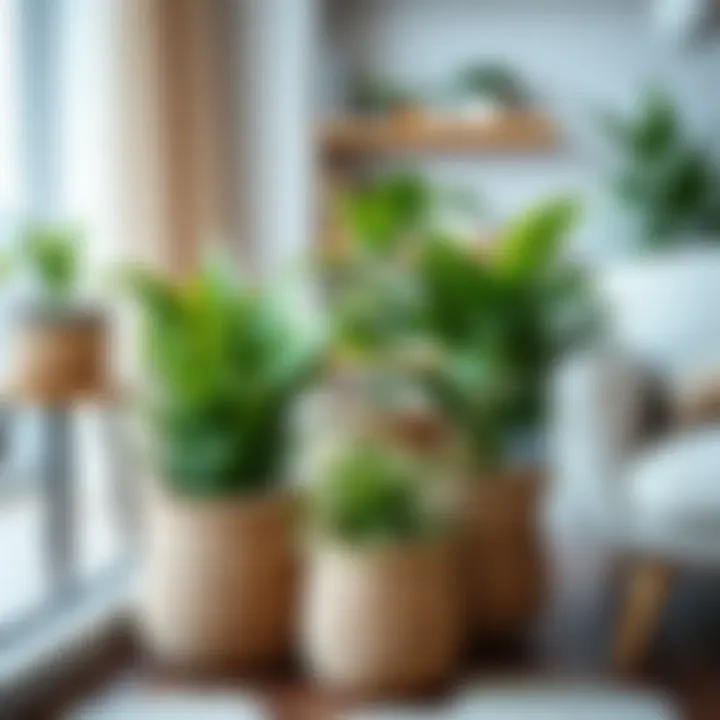
This material boasts a unique feature in its natural texture and aesthetic appeal, which gives the flower pots an organic look that blends well with greenery. However, it's worth noting that while rattan pots can be treated for added resistance to moisture, prolonged exposure can still lead to deterioration. Thus, consideration of placement is necessary.
Willow
Willow, often associated with rustic charm, is another natural fiber that lends both beauty and utility to woven flower pots. Its key characteristic lies in its pliability, enabling artisans to create intricate designs and shapes. The soft, smooth bark enhances the aesthetic quality of the pot, making it a standout piece in any arrangement.
What sets willow apart is its unique feature of adaptability in design, allowing for diverse styles, from traditional to contemporary. That said, willow pots may not be the most durable option for harsh outdoor conditions; they require careful handling and occasionally treatment to maintain their integrity.
Sisal
Sisal, derived from the agave plant, is heralded for its robust qualities. This fiber is less common compared to rattan and willow, yet its key characteristic is its coarse texture, which offers a distinctive look. Its strength makes it suitable for larger pots that can house bigger plants.
The unique feature of sisal is that it lends a rustic yet modern vibe, making it a stylish choice for contemporary environments. However, the weather resistance of sisal can be a drawback; it doesn't fare as well under continuous moisture, emphasizing the need for strategic placement.
Synthetic Alternatives
With advancing technology, synthetic alternatives have emerged as practical options for those seeking resilient and stylish woven flower pots. While they may lack the natural aesthetics of fibers like rattan or willow, they excel in terms of durability and ease of maintenance.
Artificial Rattan
Artificial rattan has gained popularity due to its resemblance to its natural counterpart. This synthetic material is made from high-density polyethylene and offers significant weather resistance. The key characteristic of artificial rattan is its ability to retain color without fading, making it an excellent choice for outdoor use.
The unique feature of this synthetic option is its maintenance-friendly nature, requiring only occasional cleaning with soap and water. However, one might consider that it lacks the organic feel of natural materials, which some users may find off-putting.
Polypropylene
Polypropylene is celebrated for its versatility in the production of woven flower pots. Lightweight and durable, this material is also resistant to UV rays; thus, it remains an attractive option for sunlit terraces. Its key characteristic allows for stunning colors and patterns to be incorporated into the design.
Moreover, the unique feature of polypropylene pots is that they often come with an innovative design that integrates drainage solutions inherently. The downside, however, is that like artificial rattan, these did not offer the same warmth as natural fibers, potentially detracting from the aesthetic appeal sought by some consumers.
Composite Materials
Composite materials represent a fusion of innovation and sustainability, catering to environmentally conscious consumers by promoting recycling and responsible consumption. These materials are pivotal in the evolution of flower pots, providing a blend of strength and aesthetic appeal.
Recycled Plastic
Recycled plastic serves as an effective alternative by repurposing waste into stylish and functional products. It helps reduce environmental waste while producing visually appealing flower pots. The key characteristic of this material is its resilience against extreme weather conditions, meaning they can be placed outdoors without fear of damage.
A distinct unique feature of pots made from recycled plastic is their variety of designs and colors, catering to diverse tastes. However, some environmentalists question the effectiveness of recycling in the long run, as it can still contribute to plastic pollution.
Bamboo Fiber
Bamboo fiber, another composite option, is lauded for its sustainability. It grows rapidly and requires minimal resources, making it a favorable choice. The key characteristic of bamboo fiber pots is their biodegradability, allowing for a natural end-of-life solution without heavy ecological consequences.
This material boasts a unique feature in its strength, proving quite durable while retaining a lightweight structure. Yet, as with any natural material, outdoor use might necessitate specific care against moisture to ensure longevity.
A well-informed choice of materials is foundational when considering woven flower pots, impacting not just aesthetics but also practicality in maintenance and environmental consciousness.
Craftsmanship of Woven Flower Pots
When it comes to woven flower pots, craftsmanship plays a pivotal role in defining their appeal and functionality. This section highlights the intricacies involved in the creation of these unique planters. By appreciating the artistry behind woven flower pots, one can better understand their place in decor and gardening today.
Traditional Techniques
Hand Weaving
Hand weaving is a time-honored practice that reflects a deep connection to tradition and cultural heritage. This technique involves skilled artisans who dedicate countless hours to the creation of each pot. One of the key characteristics of hand weaving is its ability to showcase individuality. No two handwoven pots are exactly alike, which adds a personal touch that many homeowners find appealing.
This unique feature lends itself to a cozy and rustic feel within a space. Hand weaving often utilizes natural materials, which contribute to the pot's overall aesthetic and sustainability. However, the labor-intensive nature of this craft may result in a higher price point compared to mass-produced alternatives. This exclusivity can be a significant factor for those who value artisanal home decor.
"Craftsmanship transforms what is ordinary into something extraordinary."
Coiling Methods
Coiling methods are another traditional approach to crafting woven flower pots. Often seen in various cultures, this technique involves shaping pliable materials into coils. The characteristic of coiling lies in its versatility; it allows for varied sizes and shapes, making it a favorite among potters looking for creativity in their designs. This method provides a robust structure and is often quicker than hand weaving, which makes it more accessible for some artisans.
A unique feature of coiling is how it can create intricate designs through layering and embellishments. While the immediate effect may be visually striking, it's worthwhile to consider that the longevity of these pots can depend heavily on the materials used. Craftsmanship in coiling should strike a balance between aesthetic appeal and durability to ensure that the final product is not only beautiful but functional in any setting.
Modern Innovations
Machine Weaving
With the rise of technology, machine weaving has entered the scene, changing the landscape of woven flower pots. This method allows for mass production, making these decorative items more affordable and accessible to a wider audience. A significant characteristic of machine weaving is its consistency; every pot produced maintains the same quality and design.
The efficiency of this approach is a massive benefit for retailers who need to meet consumer demand quickly. However, the downside is often the loss of the personal touch found in hand-woven pieces. Despite this, modern materials and design elements can still create attractive offerings.
Hybrid Techniques
Hybrid techniques are becoming increasingly popular as artisans look for ways to blend the old with the new. By combining traditional methods with modern technology, hybrid techniques provide unique solutions. For instance, an artisan might hand weave the body of a pot while using machine-created elements for other design aspects. This can bolster creativity while also ensuring that the products are readily available to meet market demand.
One of the primary advantages of hybrid techniques is the ability to maintain a sense of craftsmanship while leveraging efficiency. This gives designers and decorators a reliable source of unique yet affordable pieces that can appeal to various styles and tastes. However, ensuring that quality isn't compromised during production is paramount in this evolving craft landscape.
Design Trends in Woven Flower Pots
When it comes to woven flower pots, the design trends observe a fascinating interplay of artistry and functionality. These planters have found their way into homes and gardens, not just because they serve a practical purpose but also due to their aesthetic contributions to spaces. It is vital to take a closer look at prevailing design trends, as they can largely influence how these pots integrate into various environments.
Minimalist Styles
The minimalist design philosophy prioritizes simplicity and functional beauty. In the realm of woven flower pots, this often means clean lines, muted colors, and natural textures. The idea is to let the plants be the focal point rather than the pot itself. Minimalist woven pots tend to favor subtlety; they blend seamlessly with other décor while still showcasing craftsmanship.
These styles typically employ materials like natural fibers in lighter shades or neutral tones. Pots made of sisal, for instance, are commonly used in minimalist contexts due to their understated elegance. The trend encourages homeowners to choose pieces that invoke a sense of calm and understated sophistication.
Bohemian Aesthetics
On the opposite end of the spectrum lies the vibrant world of Bohemian aesthetics. Here, woven flower pots become a canvas for artistic expression. Bright colors, intricate patterns, and ornamentation come into play, appealing to those who seek to infuse their spaces with personality and charm. These pots allow for a mix of textures and colors. Mismatched patterns can coexist, creating a lively yet cohesive atmosphere.
Some designers incorporate unconventional materials—think of pots made with recycled fabrics that maintain a woven look yet add a unique twist. "Let your woven flower pot tell a story; each piece can reflect the travel and experiences of its owner," suggests many decorators when discussing Bohemian styles.
Contemporary Designs
The contemporary design trend in woven flower pots often bridges the gap between function and fashion. This style tends to embrace modern materials along with traditional weaving methods. Hybrid techniques that marry machine-made precision with handwoven artistry are becoming increasingly popular. These designs may include compartments for drainage, elevating both their function and style.
Moreover, colors in contemporary woven pots tend to be bolder and more varied than their minimalist counterparts. Think vibrant botanical hues or a striking ombre that captures attention. The use of synthetic materials like polypropylene allows for easier maintenance while still achieving a handcrafted look.
In summary, the design trends in woven flower pots reflect diverse aesthetics and practical needs. Selecting the right design not only enriches the visual appeal of spaces, but also engages with personal stories and environmental considerations.
Functional Aspects of Woven Flower Pots
When considering woven flower pots, the functional elements cannot be afterthoughts. These planters merge style and practicality in compelling ways, making them worthy of attention from not just designers, but also homeowners and decorators eager to elevate their spaces. It's more than aesthetics; it’s about how these pieces fit into everyday life, blending seamlessly with both the environment and the needs of the plants they house.
Drainage Solutions
One of the main concerns with any planter, woven or otherwise, is drainage. Without adequate drainage, plants can feel like they are swimming—roots can rot, and all that care may go straight down the drain along with the water. Well-crafted woven flower pots often incorporate smart drainage solutions that prevent such calamity.
- Drainage Holes: Many woven flower pots have been designed with small openings at the base, allowing excess water to escape. Not every weaver includes this feature, but when present, it is a game changer.
- Natural Materials: Some materials used in these pots naturally facilitate drainage better than others. For instance, sisal and wicker can absorb moisture while offering some permeability, allowing for healthier root systems.
- Layering Techniques: A common practice is creating a drainage layer inside the pots. This could involve stones, pebbles, or even charcoal to assist in moisture management, helping to keep plants safe and sound.
"The right drainage can mean the difference between a thriving plant and one that's gasping for air."
Getting drainage right is crucial. It can prevent soggy roots from becoming the plant's downfall, ensuring they not only survive but flourish in their woven homes. Homeowners and decorators should always keep their eyes peeled for this crucial feature when hunting for the perfect woven flower pots.
Weight Considerations
For many, the weight of a planter is just a detail to overlook. However, when it comes to woven flower pots, this is no small matter. The weight can significantly affect where these pots are placed and how easily they can be moved, whether indoors or out.
- Lightweight Options: Natural fibers like rattan offer a lightweight solution, making them ideal for those who frequently rearrange furniture or plant arrangements. A rattan pot feels light as a feather compared to heavier ceramic or metal counterparts, making it a more versatile choice.
- Stability: While lightweight pots are great for mobility, they can also become top-heavy with lush greenery. Selecting a woven pot that balances lightness with a stable base is vital. For instance, a deeper pot can hold more weight at the bottom, keeping it from tipping over during a gust of wind or a curious pet's antics.
- Outdoor Considerations: If a woven flower pot is destined for the garden, it’s worth noting that some materials can withstand outdoor conditions better than others. Heavy-duty synthetic fibers may add some weight but also ensure durability against the elements.
In the world of design and function, the weight of woven flower pots can affect choices significantly, especially in dynamic living spaces. Depending on their intended location, an understanding of both their density and stability can help in making informed decisions that align with personal aesthetics.
Care and Maintenance
Care and maintenance play a crucial role in prolonging the life of woven flower pots. Beyond their aesthetic appeal, these pots require a bit of attention to keep them looking their best while ensuring that the plants within thrive. Proper care not only enhances the visual elements of a space but also maintains the structural integrity of these unique planters. Homeowners and decorators should pay close attention to cleaning and preservation to fully enjoy their benefits.
Cleaning Techniques
Cleaning woven flower pots is essential to prevent the buildup of dirt, mold, and other elements that can harm both the pot and the plant. Here are several techniques that can keep your pots in pristine condition:
- Dust Regularly: A gentle dusting with a dry cloth can do wonders. Just like you wouldn't let dust settle on your favorite decor, woven pots also deserve a little tender loving care.
- Use Mild Soapy Water: For deep cleaning, mix a few drops of a mild dish soap in lukewarm water. Dampen a soft sponge and wipe down the pot. Avoid soaking it, as excess moisture may damage natural fibers.
- Rinse Thoroughly: After cleaning with soap, rinse with clean water to remove all soap residue. Make sure the pot is turned upside down to allow water to run off easily.
- Dry Completely: Place the pot in a well-ventilated area or outside in the sun to ensure it dries thoroughly. Leaving moisture can lead to mold growth, which no one wants in their home.
"A clean pot is not just about looks; it's about creating a healthier environment for your plants."
In addition to aesthetics, regular cleaning of woven pots can help reduce pests that might hitch a ride on dirt and grime.
Preservation Methods
Preserving your woven flower pots involves techniques aimed at maintaining their structure and extending their lifespan. Here are some effective methods:
- Seal with Natural Oils: For natural fiber pots, oils like linseed or teak oil can help repel moisture and prevent degradation. Apply a thin coat with a soft cloth and let it absorb for a day before using the pot again.
- Avoid Direct Sunlight: Prolonged exposure to direct sunlight can fade colors and weaken fibers. Positioning your pots in an area that receives dappled light can help retain their beauty for a longer time.
- Store Properly: During harsh weather, particularly in winter, consider storing your woven pots indoors. If left outside, fluctuations in temperature and moisture can cause fibers to degrade.
- Rotate Position: Occasionally changing the position of your woven pots can minimize the wear on one particular area. Just like rotating your plants for even growth, changing the pots' locations can ensure even aging.
Taking proactive steps in the care and maintenance of woven flower pots not only enhances their artistic value but also contributes to a healthier living environment for your plants. With these techniques in hand, you can enjoy the charm and practicality of woven flower pots, making them a lasting addition to any design scheme.
Incorporating Woven Flower Pots into Various Spaces
Woven flower pots are not only functional; they serve as versatile decor elements that can elevate the aesthetic of any indoor or outdoor setting. Understanding how to effectively incorporate them into various spaces yields numerous benefits, enhancing both the visual appeal and the ambiance of a home.
Indoor Applications
Living Rooms
The living room is often viewed as the heart of the home, a space where aesthetics and comfort converge. Woven flower pots bring a touch of organic warmth that can soften the harder elements of furniture and decor. The unique texture of these pots adds depth to the space, breaking away from the usual sleek or sterile designs that dominate many modern living rooms. By placing a vibrant potted ficus or a cascading vine in a woven pot on a coffee table or shelf, you introduce a lively focal point that draws attention without overwhelming the space. However, one must be cautious as well; heavier pots can scratch delicate surfaces, so consider using coasters or mats underneath.
Kitchens
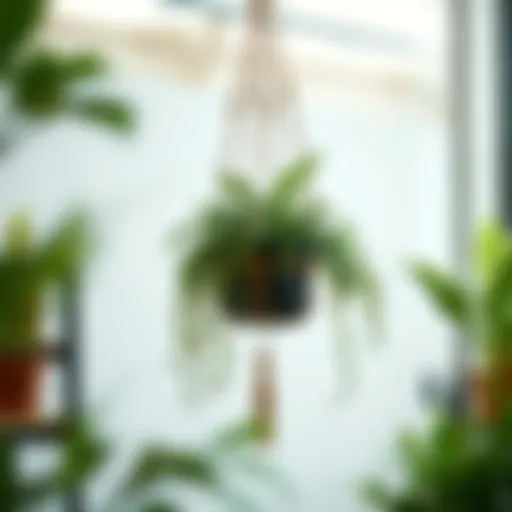
In the hustle and bustle of a kitchen, woven flower pots can make a significant contribution, offering both beauty and functionality. A small herb garden in vibrant, woven containers adds a splash of color and provides the cook with fresh herbs at their fingertips. The thoughtful arrangement in a windowsill or pot rack showcases the charm of rustic design while keeping the space practical. Yet, humidity and splashes can pose a challenge; thus, opting for pots with a waterproof liner can help mitigate damage.
Bathrooms
Bathroom decor is often overlooked, but woven flower pots can introduce an unexpected yet refreshing element to this usually understated space. They create an oasis-like charm by housing moisture-loving plants, such as ferns or peace lilies, which thrive on humidity. This not only improves air quality but also contributes to a serene atmosphere that encourages relaxation. However, care should be taken to choose lighter pots or to place them at varying heights to avoid taking up valuable counter space.
Outdoor Uses
Patios
Patios serve as extensions of our living areas, providing an outdoor oasis for relaxation and gatherings. Incorporating woven flower pots here can transform the atmosphere from practical to picturesque. A series of pots adorned with trailing ivy or bright geraniums lining a patio can create a whimsical feel, enhancing the overall mood during outdoor activities. Considering the localized weather conditions is vital—look for pots that can withstand the elements or are designed for outdoor use. This can prevent wear and discoloration.
Gardens
In gardens, woven flower pots can serve as both ornamental and practical components. They're perfect for showcasing seasonal flowers or creating small focal points among the greenery. These pots blend beautifully with natural surroundings, often appearing as if they belong to the landscape. However, it's essential to ensure proper drainage to keep plants healthy. Adding layer of gravel at the bottom can help with this, letting excess water escape while maintaining the integrity of the woven material.
Balconies
Balconies are often small spaces that require creative design solutions. Woven flower pots allow for vertical gardening, making it easier to maintain a lush appearance without crowding the area. A tiered stand filled with various textured pots can transform a plain balcony into a vibrant garden nook. The challenge here often lies in weight; lighter composite woven pots can help gardeners utilize space effectively without compromising structural integrity.
In summary, woven flower pots can significantly enhance different living spaces by marrying function with aesthetics. Their adaptability allows for creative expression in both indoor and outdoor settings, showcasing the potential of nature to beautify and enhance the environment.
Environmental Impact of Woven Flower Pots
The environmental impact of woven flower pots is a topic that merits in-depth exploration. Understanding this impact helps designers, homeowners, decorators, and realtors make informed decisions when incorporating these unique planters into various spaces. The materials used, the methods of production, and the longevity of the products are all factors that contribute to their ecological footprint.
Sustainability of Materials
Many woven flower pots are crafted from natural materials, which places them a step above synthetic alternatives in terms of sustainability. Natural fibers like rattan, willow, and sisal not only add aesthetic appeal but also minimize harm to the environment. When sourced responsibly, these materials can be renewed within a few years, allowing the earth to regenerate. However, it’s essential to consider the entire lifecycle of these products.
For instance, when choosing woven pots, look for those made from fibers harvested through sustainable practices. Fair Trade certifications can be a good indicator that the production process respects local communities and ecosystems. Additionally, the use of recycled materials in composite pots—such as bamboo fiber or recycled plastics—adds another layer of sustainability. These materials often require less energy to produce compared to their virgin counterparts, making them a better choice for eco-conscious consumers.
"The path to environmental responsibility begins with the choices we make in our homes."
Biodegradability
One of the paramount advantages of woven flower pots made from natural materials is their biodegradability. Unlike plastic pots, which can take centuries to decompose, woven pots break down naturally over time, returning nutrients to the soil and often enhancing its quality. This characteristic is particularly important for gardeners and landscapers who are aiming to create environments that are not only beautiful but also ecologically friendly.
While not all woven products are equally biodegradable, those crafted using organic, untreated materials rank higher. Individuals should prioritize pots that lack chemical finishes, as these can inhibit the natural decomposition process. It’s also wise to check how the pot is treated during production. For instance, some pots may be lined with synthetic materials for waterproofing, but this can jeopardize their overall eco-friendliness.
In summary, integrating woven flower pots into your designs not only reflects a keen sense of style but also contributes positively to the environment. By understanding the sustainability of materials and the importance of biodegradability, consumers can play an active role in promoting eco-friendly practices across the board.
For further reading on sustainable materials, you may find resources at The Environmental Protection Agency, Wikipedia on Sustainability, or Britannica.
By choosing woven flower pots, we have a chance to create a greener future, one pot at a time.
Finale
Woven flower pots offer more than just a functional place to house plants; they bring a unique blend of artistry and practicality that enriches any environment. As explored throughout this article, these containers are crafted with an eye for both aesthetics and utility. The use of various materials, from traditional natural fibers like rattan to contemporary synthetic options, showcases the versatility available to designers and decorators.
The importance of woven flower pots lies in their ability to seamlessly blend with diverse interior styles. Whether it's the minimalist appeal of Scandinavian design or the vibrant chaos of bohemian themes, these pots offer a solution that enhances the overall look while maintaining a commitment to sustainable practices.
When considering future design trends, woven flower pots will likely adapt to advances in technology and shifts in consumer preferences. For instance, existing innovations in materials may lead to pots that are even lighter, more durable, and capable of intricate designs. This evolution can delight homeowners looking to personalize their spaces more effectively.
"Woven pots are not merely functional, they are a statement of style and sustainability."
As we reflect on the journey of woven flower pots, it’s clear they are more than a trend; they represent an ongoing conversation about sustainability, craftsmanship, and design aesthetics. For homeowners and stylists who wish to enhance their living spaces, these pots offer both beauty and a commitment to eco-friendliness, aligning with a growing preference for sustainability in home décor.
In closing, the art of woven flower pots exemplifies the union of functionality, style, and environmental consciousness. They are suited for a variety of spaces, ensuring that whether indoors or out, these pieces contribute positively to the ambiance of their surroundings.