Vertical Plate Holders: Enhance Kitchen Space


Intro
In the tight confines of a kitchen, where every inch counts, vertical plate holders offer a cunning solution to the perennial issue of cluttered cupboards. Imagine opening your kitchen cabinet only to be met with chaos, a daunting wall of stacked plates tumbling one over the other. This is where vertical plate holders step in, serving as guardians of order, organization, and aesthetics.
With an ever-growing emphasis on utilizing space efficiently, these simple yet effective devices can be game-changers. Whether you're a passionate chef, a professional decorator, or a homeowner simply looking to revamp your kitchen, understanding how vertical plate holders function can lead to a smarter kitchen setup.
Furniture Styles
Overview of Popular Furniture Styles
Kitchen styles vary widely, bringing their own elements of charm and functionality to the table. Knowing which styles complement vertical plate holders can maximize both their utility and visual appeal. Some of the popular furniture styles include:
- Modern: Characterized by sleek lines, minimalism, and often open shelving, modern style fits perfectly with metal or acrylic plate holders, allowing for a clean and airy look.
- Rustic: Utilizing natural wood tones and an earthy feel, rustic styles work beautifully with wooden plate holders, adding warmth and a sense of coziness.
- Traditional: This style often features elaborate moldings and rich finishes. Here, ornate plate holders can enhance the decor, elevating your kitchen's classic elegance.
- Contemporary: A blend of modern and traditional elements, the contemporary look can accommodate a wide array of plate holders, from minimalist to intricate designs.
Mixing and Matching Styles for Your Home
Don’t shy away from mixing styles! For instance, a sleek metal vertical plate holder can stand out beautifully against distressed wood cabinetry. The juxtaposition creates visual intrigue, urging the eye to explore. Curate a combination that reflects your personality: eclectic, sophisticated, or laid-back.
When it comes to vertical plate holders, the goal is to harmonize practicality with design. Consider not only the holders’ materials and styles but also how they fit within the broader context of your kitchen’s aesthetic.
Material Choices
Benefits of Different Furniture Materials
Selecting the right materials for vertical plate holders can impact both aesthetics and functionality. Here’s a breakdown:
- Metal: Durable and easy to clean. Metals like stainless steel or aluminum add a modern edge. They resist bending and can support heavier plates without worry.
- Wood: Offers warmth and a timeless look. However, wood requires a bit more maintenance to ensure it doesn’t warp or absorb moisture.
- Plastic: Lightweight and often more affordable, plastic options are versatile but may not have the same longevity as metal or wood.
Eco-Friendly Furniture Options
Sustainability is becoming increasingly important in furniture choices. Eco-friendly materials like bamboo or reclaimed wood not only reduce ecological impact but also lend each vertical plate holder a unique story. Choosing such materials reflects responsible consumerism and adds character to your kitchen space.
“Sustainable choices resonate with homeowners looking to create spaces that are not only beautiful but also mindful of the environment.”
As you develop your kitchen organization, remember that vertical plate holders exemplify how simple solutions can enhance both space management and design. By thoughtfully considering your style and material options, you can transform your kitchen into a sanctuary of order and elegance.
Intro to Vertical Plate Holders
When one thinks of a well-organized kitchen, the visual of neatly stacked plates may come to mind. However, the mechanism behind achieving that order is often overlooked. Enter the vertical plate holder, a structure designed to maximize both space and functionality within kitchen cupboards. This section will delve into the simplicity and efficiency that these holders offer, while emphasizing their role in kickstarting a revolution in kitchen organization.
Definition and Purpose
Vertical plate holders are tools used to store and organize plates in an upright position. Unlike traditional stack holders where plates are piled one upon the other, vertical holders enhance accessibility and arrangement. They can be made from various materials, such as wood, metal, or sturdy plastic, which makes them versatile not only for usefulness but also for design.
These holders serve several purposes:
- Space Optimization: By regulating the layout of plates, one can effectively utilize the cupboard's width rather than its height, which often results in extra space for additional kitchen items.
- Efficiency: Easily grabbing a plate without the risk of toppling others saves time and prevents breakage.
- Organizational Aid: Plates can be sorted by size, color, or use, simplifying meal prep and keeping a tidy appearance.
The Importance of Kitchen Organization
In today’s world, a well-organized kitchen is not merely a matter of aesthetics but a reflection of efficiency and lifestyle. The kitchen often serves as the heart of the home, and it is imperative to manage this space wisely.
- Time-Saving: An organized kitchen aids in the swift compilation of meals. Knowing where everything is can drastically reduce the time spent looking for utensils or ingredients.
- Stress Reduction: Chaos in the kitchen can lead to feelings of overwhelm, particularly in busy households. Simplifying the layout with tools like vertical plate holders can bring a breath of fresh air.
- Enhanced Functionality: With the right organization, everything should have its place. This not only makes cooking more enjoyable but also encourages more time spent in the kitchen preparing meals.
"An orderly kitchen leads to an orderly life."
Thus, the integration of vertical plate holders is a step forward in crafting an organized kitchen. They accomplish more than just storing plates; they embody a systematic approach to kitchen management, allowing homeowners and decorators to maintain a space that is not only functional but also visually appealing. Understanding and implementing such tools is key to creating a workplace where culinary creativity can thrive.
The Evolution of Plate Holders
The journey of plate holders is rich and transformative, reflecting changes in both design sensibilities and functionality over the centuries. This evolution is not merely a matter of aesthetics; it signifies a broader understanding of space management in kitchens across various cultures and periods. Plate holders today stand as a testament to innovation aimed at optimizing cupboard organization, making them a key consideration for anyone seeking to revamp their kitchen space.
Historical Context
Historically, the approach to storing plates has been quite diverse. In ancient times, individual plates were often stacked with little regard for organization, leading to scratches and breakages. As kitchens evolved alongside culinary practices, so did the need for better storage solutions.
Before the advent of vertical plate holders, many homes relied on basic shelving or simple cabinets, often leading to a chaotic arrangement of kitchenware. Wooden racks became a common sight in the 18th century, designed to hold plates horizontally. However, these solutions lacked the efficiency seen in modern designs.
"In the past, storing plates was more about availability than organization. Today, it's a blend of style and practicality."
As the industrial revolution came and went, mass production spurred innovation in household items, including plate holders. By the mid-20th century, manufacturers began crafting specialized holders that embraced vertical storage principles, leading to enhanced accessibility and better space utilization. These early models greatly increased the lifespan of dinnerware, proving crucial for those who invested in fine china or intricately designed crockery.
Modern Innovations
Today’s advancements in plate holder designs reveal a fascinating blend of engineering and artistry. Modern vertical plate holders employ materials like stainless steel, tempered glass, and high-quality plastics, offering both durability and an array of design options to suit different homes. With adjustable holders and customizable configurations, these modern innovations cater to various plate sizes and styles, allowing users to make the most out of their cupboard real estate.
One notable trend is the rise of multifunctional storage solutions. Plates can now be stored upright while also being accessible and easy to retrieve. Consider the emergence of wall-mounted options, which not only save floor space but can also serve as striking display features within a kitchen.
In addition, technology plays a role in the evolution of plate holders. Some brands are incorporating features like anti-slip surfaces and integrated dividers to help maintain order among plates. Smart designs also focus on user-friendliness, allowing for quick adjustments to accommodate new items as the collection of kitchenware expands.
As we move forward, the evolution of plate holders will surely continue, influenced by ongoing technological, lifestyle, and design shifts, ensuring that maximizing space and functionality remains at the heart of kitchen organization.
Types of Vertical Plate Holders
Understanding the various types of vertical plate holders is crucial for effectively managing space in your kitchen cupboards. This section focuses on how different materials and design variations can cater to specific needs, ensuring both functionality and aesthetic appeal. The right type can have a big influence, not only on organization but also on how a kitchen feels and operates.
Material Choices
Wood
Wooden plate holders carry an undeniable warmth and character that can enhance kitchen aesthetics. They offer a touch of nature indoors, fitting seamlessly into a rustic or traditional décor. The main characteristic of wood is its robust nature, that can withstand the weight of multiple plates without risk of bending. A unique feature is the ability to find wood in various finishes, from light oak to rich mahogany, dramatically impacting the kitchen's look.
However, wood does require maintenance. If not treated properly, it may warp or absorb moisture, leading to potential damage. Despite this, it remains a popular choice due to its durability and beauty.
Metal
Metal plate holders exude a modern, industrial vibe. They’re typically crafted from stainless steel or wrought iron, known for their strength. One key characteristic of metal holders is their resistance to rust and corrosion, making them a long-lasting option, especially in busy households.
A unique advantage of metal is its minimalist aesthetic; it can elevate the style of any kitchen without taking up much visual space. However, they can be prone to scratches, and their hard surfaces may not always be as forgiving if plates or dishes slip off. Still, for those seeking a sleek and contemporary look, metal holds solid appeal.


Plastic
Plastic plate holders represent a practical solution for budget-conscious homeowners or renters. They're lightweight and often come in bright colors, making them an attractive alternative for a playful kitchen. Key characteristic: their affordability is hard to beat, offering a cost-effective way to organize trays and dishes.
On the downside, plastic can lack the durability of wood or metal, as it might warp over time or lose its charm after repeated exposure to heat or sunlight. Nonetheless, for quickly changing trends or temporary solutions, plastic holders can be a handy choice.
Design Variations
Adjustable Holders
Adjustable plate holders are the flexible friends of kitchen organization. They allow for custom configurations depending on the size of the plates or the overall space available. One major selling point is that they can grow with your collection of dishes. If you acquire new plates over time, an adjustable holder can adapt rather than leaving you needing to buy a new one.
These holders often feature movable dividers or supports, making them ideal for eclectic kitchenware. A potential downside is that they can sometimes be a tad more expensive than their static counterparts, but the investment pays off in versatility.
Static Holders
Static holders, as the name implies, remain fixed in design. While they might lack adjustability, they offer stability and simplicity. This type is often quite easy to install and can hold a substantial number of plates securely. The fixed design also eliminates the risk of accidental misalignment of plates caused by movement.
However, their inability to rearrange for varying plate sizes could be seen as a limitation. If the household's plate collection changes, a static holder might not meet future needs efficiently.
Wall-mounted Options
Wall-mounted plate holders free up cupboard space, providing a solution for those with limited storage. This design variant enhances vertical space and brings a sense of artistry to kitchen walls. One striking characteristic is the style it can contribute to the kitchen — turning ordinary plates into a decorative element.
A unique feature may include intricate designs or colors that can blend originality with utility. It’s essential to consider, however, that proper installation is key; poorly mounted holders can lead to safety issues and potential damage to walls. Despite this risk, many homeowners find wall-mounted solutions a clever, space-saving way to showcase their dishware.
Selecting the Right Plate Holder
Choosing the right plate holder is crucial for maximizing the benefits of vertical storage systems in kitchen cupboards. It involves more than just picking something that fits; it’s about understanding the specific needs of your kitchen space, the plates you own, and your personal style. When you consider the right vertical plate holder, you are not only enhancing organization but also improving accessibility and aesthetic appeal. This careful selection process can lead to greater satisfaction in your kitchen experience.
Assessing Your Needs
Space Constraints
Space constraints play a vital role in determining which vertical plate holder will work best. Many kitchens today are designed with efficiency in mind, meaning every square inch counts. If your cupboards are crammed like sardines, finding a storage solution that uses vertical height can free up much-needed space. Choosing the right plate holder can maximize storage without overwhelming the existing cabinetry.
One of the key characteristics of considering space constraints is understanding the physical dimensions of your cupboards. Are they tall and deep or shallower and more compact? This choice becomes crucial in selecting a plate holder that won’t hog all the room or leave plates precariously jammed in. This makes it beneficial as it capitalizes on verticality, turning wasted air space into functional storage.
A unique feature of addressing space constraints is the ability to install wall-mounted holders. These can be fitted above counters or in a pantry, keeping plates neatly stored without taking up precious cupboard space. However, one must also consider the disadvantages; wall-mounted options could be less accessible for those who are shorter or for kids, which could complicate routine dish duties.
Plate Sizes and Types
Understanding the sizes and types of plates in your collection is another important aspect. Not all plates are created equal—some are large dinner plates, while others may be side plates or delicate china. This variability affects how you should organize them.
The key characteristic here is about compatibility. When you decide on a plate holder, you need to ensure that it adequately supports the thickness and diameter of the plates you’ll be using. A beneficial choice will acknowledge this diversity and accommodate a range of sizes seamlessly. This consideration prevents the risk of damaging fragile plates or creating cluttered spaces.
A unique feature to consider with this aspect is adjustable plate holders. These allow you to switch spacing based on the collection at hand, thus enhancing versatility. However, they can require more effort to set up initially and might not always provide the most stable support compared to fixed designs.
Style Considerations
Matching Your Kitchen Decor
Matching your kitchen decor with your plate holder not only beautifies the space but creates an overall cohesive vision. The kitchen is often referred to as the heart of the home, so visual harmony is imperative for creating a pleasant atmosphere. When you select a plate holder that complements your kitchen's design, it enhances both the functionality and aesthetics of the area.
The key characteristic of this approach is understanding your existing design elements. Whether you have a farmhouse feel, sleek modern vibes, or traditional oak cabinetry, ensuring your plate holder fits within that framework is essential. This becomes a popular choice because it enables people to express their style while maintaining the practicality of the kitchen’s layout.
A strong advantage of prioritizing decor matching is that it creates a more inviting cooking environment. A poorly chosen plate holder can clash with everything else in the room, turning a functional space into a disjointed one. However, a disadvantage might be that certain designs can be more expensive or harder to source, which could limit options for some homeowners.
Color Coordination
Color coordination within your kitchen can elevate its appeal, allowing it to resonate with your personal style and preferences. The principle of harmonizing colors not only serves aesthetic purposes but can also enhance the feeling of cohesiveness throughout the kitchen.
The key characteristic of color coordination is that it draws attention to certain features while subtly helping less favorable ones blend in. When selecting a plate holder, choosing colors that complement your cabinetry, appliances, and countertop can make all the difference. This focus makes it a popular choice among decorators who know how impactful a well-coordinated color scheme can be.
A unique feature of color coordination is the option to inject a pop of color or a bold statement piece within an otherwise neutral palette. This could stimulate a dynamic aesthetic, leading to uplifting kitchen experiences. The downside? Sometimes a striking color choice might not be as timeless, and trends can shift quickly, leaving homeowners grappling with a need to update sooner than anticipated.
Matching your vertical plate holder with your kitchen's decor and colors not only enhances its visual appeal but also solidifies the kitchen's identity.
Installation Guidelines
When it comes to organizing a kitchen effectively, installation is the heartbeat of the operation. Understanding how to properly install vertical plate holders makes a world of difference for maximizing cupboard space and enhancing functionality. The right installation not only ensures stability but also adds to the overall aesthetics of your kitchen.
A well-executed installation can lead to improved accessibility and longevity of your plate holders. Moreover, getting this process right prevents future headaches, such as plates falling or becoming easily damaged during routine cupboard activities. With a secure installation, homeowners can enjoy the sleek, organized look that vertical plate holders can provide.
Tools Required
To embark on the journey of installing vertical plate holders, you need the right tools at your fingertips. Here’s a concise list of what you’ll need:
- Drill: A power drill will be your best friend for making holes for screws or anchors.
- Screws and Anchors: These hold the plate holder in place, preventing it from wobbling or falling out.
- Measuring Tape: Accurate measurements prevent a world of trouble and misalignment down the line.
- Level: Ensuring your plates will sit straight means no more crooked stacks.
- Pencil: Marking where you'll drill or mount will lead to a cleaner and easier installation process.
"Having the right tools is as crucial as knowing how to use them; it’s your foundation for success in the installation process."
Get these tools ready, and you will be on your way to a straightforward installation experience.
Step-by-Step Instructions
Follow these steps to install vertical plate holders with ease, ensuring you enjoy both practicality and flair:
- Choose the Location: Decide where you want your vertical plate holder within the cupboard. Consider how often you use the plates, and aim for easy accessibility.
- Measure and Mark: Using the measuring tape, mark the desired height above a flat surface where your plates will rest. With a pencil, lightly mark the spots where your screws will go.
- Drill Holes: Using the drill, make holes at your pencil marks. If your screws are going into drywall, make sure to use anchors as well.
- Secure the Plate Holder: Align the plate holder with the holes and insert the screws. If needed, use a level to confirm that everything is even.
- Double-Check Stability: Once secured, give the plate holder a gentle tug to ensure it’s installed securely without any wobble.
- Organize Your Plates: Finally, carefully place your plates into the holder, taking care to ensure they fit snugly and securely.
By following these step-by-step instructions, you will be on your way to an organized, functional kitchen space that meets your needs and reflects your style. Proper installation not only enhances usability but also brings a touch of elegance to your home.
Maintenance and Care
Taking care of vertical plate holders is essential for ensuring they remain functional and visually appealing over time. As a crucial part of kitchen organization, maintaining these holders goes beyond mere cleaning; it fosters longevity and preserves the integrity of your plate collection. Without proper upkeep, even the best-designed holders can become unsightly or less efficient, defeating their purpose of optimizing plate storage.
Regular attention helps avoid issues like rusting in metal holders or warping in wooden ones. Additionally, proper care contributes to a safer kitchen environment by preventing accidents due to slipping or falling plates. Investing time in maintenance keeps everything in tip-top shape, thus enhancing your overall kitchen experience.
Regular Cleaning
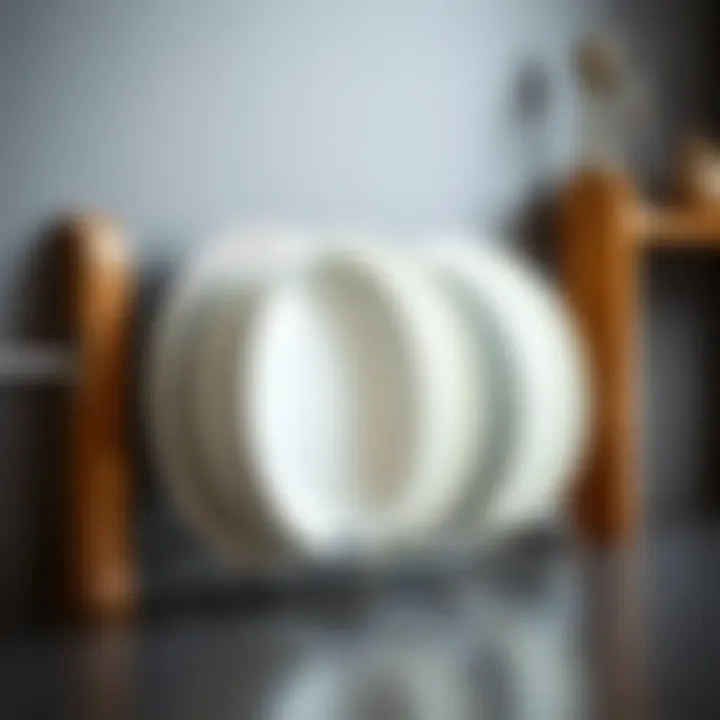
Cleaning your vertical plate holders regularly is vital. Dust and grease can accumulate over time, especially in a busy kitchen where food is prepared daily. The method of cleaning often depends on the material of the plate holder. For instance:
- Metal Holders: Use a soft cloth with mild detergent. Avoid abrasive materials to prevent scratches.
- Wooden Holders: A damp cloth followed by immediate drying is best to avoid water damage. You might also consider using wood polish to maintain the luster.
- Plastic Holders: These can usually be cleaned easily with warm soapy water. Just ensure you rinse thoroughly to remove any soap residue.
Regular cleaning can not only enhance the appearance of your holders but also helps maximize their lifespan, as it prevents buildup that could impact their efficiency and safety.
Avoiding Damage
To extend the life of your vertical plate holders, you should take some offensive tactics against potential damage. First, it's a good practice to avoid overloading them with plates. Each holder has a weight limit, often specified by the manufacturer. Stacking too many plates may not only lead to bending or breaking of the holder but can also risk your valuable dishes.
Additionally:
- Temperature Changes: Sudden temperature shifts can warp some materials. If you use your plate holders in a pantry or cupboard that may face heat from the oven, consider relocating them.
- Handling with Care: When placing or removing plates, do so gently. Slamming the plates down or applying excessive force can lead to cracks.
- Avoiding Moisture: Especially for wooden holders, moisture can lead to warping or mold. Keep them dry and ensure proper ventilation in the cupboard or area where they’re stored.
Investing in preventative measures can save you dollars in the long run, allowing you to enjoy your plates and holders for years to come.
Final Thought: Proper maintenance not only keeps your kitchen organized but reflects your attention to detail, essential for stylish and functional interior design in any home.
For more tips on home décor and kitchen organization, visit Wikipedia, where you can also find resources on sustainability in storage solutions.
Aesthetic Value of Vertical Plate Holders
When it comes to kitchen design, aesthetics play a pivotal role in shaping the overall impression of the space. Vertical plate holders are not only functional but also contribute significantly to the aesthetic value of a kitchen cupboard. Their ability to neatly organize plates adds a sense of order and sophistication to what might otherwise be a chaotic cabinet. By opting for visually appealing holders, consumers can effortlessly enhance their kitchen’s appearance while maintaining optimal functionality.
Enhancing Kitchen Visual Appeal
Vertical plate holders can significantly uplift the visual charm of kitchen cupboards. They provide a neat and structured way to showcase dinnerware, contributing to a cleaner and more organized look. Imagine opening a cupboard door to see colorful plates arranged vertically; it’s like a mini art gallery that breathes life into the mundane task of dish storage. The appeal comes not only from the arrangement but also from the choice of materials and designs.
- Materials Matter: Wood, metal, and plastic can change the vibe of the space. Wooden holders bring warmth and richness, while sleek metal designs offer a contemporary feel. Plastic might seem less appealing, but bright colors can add a playful touch for more casual settings.
- Designs That Dazzle: Simple and minimalist styles appeal to those who prefer an uncluttered look, whereas ornate or decorative vertical holders can serve as statement pieces that catch the eye.
Complementing Interior Design Styles
The choice of vertical plate holders can profoundly influence how well they blend in with various interior design styles. While they must serve the practical purpose of storing plates, their design has to resonate with the existing theme of the kitchen. A mismatched plate holder can become an eyesore. Here’s how different styles leverage their aesthetic potential:
Modern
In modern kitchens, simplicity reigns. Vertical plate holders that boast clean lines and minimalistic designs fit right into this aesthetic. The key characteristic here is functionality without the fuss. Modern designs often employ materials like stainless steel or sleek molded plastic, which provide a contemporary edge. The unique feature of a modern plate holder is its ability to seamlessly integrate with other cabinetry, making the kitchen feel cohesive. However, the downside can be their limited capacity; designs that prioritize aesthetics may sacrifice storage space.
Rustic
Rustic styles thrive on charm and warmth. Here, vertical plate holders crafted from reclaimed wood or wrought iron can complement the overall feel of the kitchen beautifully. The main characteristic of rustic design is its emphasis on natural elements and imperfections, making these kinds of holders an ideal choice. Their distinctive, handcrafted quality adds character and homeliness to the space. The downside? They may require a bit more care to maintain their aesthetics, as wood can warp or get damaged if not looked after properly.
Traditional
Traditional interior designs lean towards classic aesthetics, favoring ornate details and rich materials. In this context, vertical plate holders that feature intricate carvings or a polished finish can enhance the timeless feel of the kitchen. The hallmark of traditional style is its ability to evoke nostalgia, and a beautiful plate holder can serve as a focal point reminiscent of days gone by. However, such holders may not provide the most efficient use of space when compared to their modern counterparts, which can be a limiting factor for compact kitchens.
Understanding the aesthetic contribution of vertical plate holders enables homeowners to make more informed choices, creating a harmonious blend between organization and design that enriches their kitchen experience.
Practical Solutions for Small Spaces
Small kitchens, especially in urban settings, often pose a unique challenge when it comes to storage. Practical Solutions for Small Spaces look beyond the conventional to provide innovative strategies for efficient organization. Vertical plate holders play a crucial role in this equation as they allow you to utilize vertical space effectively, transforming the often over-stuffed cupboards into organized, functional storage areas. By using these holders, homeowners can maximize their limited square footage while also creating a visually appealing kitchen environment.
Maximizing Vertical Space
Vertical space often remains underutilized in many kitchens. Think of it as a blank canvas just waiting to be harnessed. By verticalizing your storage solutions, you can keep essential items within arm's reach while also freeing up counter and cabinet space. This not only streamlines daily operations — making setting the table or serving dinner just a little smoother — but also enhances the overall kitchen ambience.
- Choosing the Right Holder: Look for vertical plate holders that fit snugly against the wall or inside cupboards without sacrificing space. Adjustable options work well because they can accommodate various plate sizes.
- Staggering Shelves: If you're considering installing additional shelves, think about staggering them. This allows different plate sizes to coexist without clashing, maintaining a tidy appearance.
- Utilizing Cabinet Doors: Sometimes referred to as ‘dead space’, inside cabinet doors can be enhanced with slim-line vertical plate holders. This clever placement makes use of an otherwise wasted area.
"Vertical storage is not just about space efficiency; it’s about redefining how you interact with your kitchen."
Innovative Storage Ideas
When dealing with small spaces, it’s vital to think outside the box. Innovative storage ideas can take your kitchen organization to new heights and make it truly functional without overwhelming it with clutter. Here are a few approaches that stand out:
- Magnetic Strips for Plates: Consider using magnetic strips on walls to hold lightweight plates securely. These sleek strips can serve both aesthetic and practical purposes. You display your collection while keeping them easily accessible.
- Lazy Susans: Not just for spices anymore, lazy Susans can be a great way to keep plates organized within a small area, allowing for easy rotation and access during meal prep.
- Pull-Out Drawers: Installing pull-out drawers within cabinets can create a systematic approach to plate storage. These drawers allow you to see all your plates at once, minimizing the awkward shuffle often required when searching in deep cupboards.
- Multi-Function Furniture: Consider furniture that doubles as storage. Tables with built-in plate holders or benches with under-seat storage could provide that much-needed additional space.
User Experiences and Feedback
User feedback holds significant weight, especially in contexts where functionality and practical design converge, such as vertical plate holders. Understanding the user’s perspective offers valuable insights that can ultimately drive improvements in both design and utility. Consumers are not just purchasing a product; they are investing in a component that will integrate into their daily routines, so their experiences are worth noting.
Case Studies
Many homeowners have shared their experiences with vertical plate holders, leading to several case studies that reflect both satisfaction and areas for improvement. For instance, a busy family of four opted for a specific brand of vertical plate holder made from bamboo, primarily because of its eco-friendly narrative and durability. They reported that it helped them keep their various plate sizes organized without taking too much cupboard space. Their testimonies indicate that the product not only facilitated better organization but also contributed positively to their kitchen's aesthetic appeal.
Another example comes from a quaint café that decided to install wall-mounted plate holders. The owner noted an increase in operational efficiency. The vertical design allowed staff to easily access different plates while enhancing the café's interior with a rustic charm. Such cases clearly demonstrate how the right design can lead to a functional advantage while providing a visual uplift.
For practical insight, consider Mary, an apartment dweller who had limited cupboard space. Choosing a static metal holder allowed her to stack her plates neatly without sacrificing room for other kitchen essentials. She appreciates how easy it is to retrieve items without having to remove other plates, reducing the chance of breakage. This emphasis on user-friendliness tends to be a recurrent theme in user feedback.
Common Challenges
Despite the benefits, it's important to acknowledge that users also face challenges with vertical plate holders. One common issue is the mismatch between the holder's size and the plates themselves. A user might purchase a plate holder that is advertised as “universal,” only to find it struggles with larger or heavier plates. Such experiences can generate frustration and ultimately void the expected convenience.
Another challenge is related to installation. Some individuals might find wall-mounted options to be overly complicated, leading to additional costs for professional installation. Homeowners often express disappointment when the process requires more effort than anticipated. Furthermore, this can discourage potential buyers who lean towards designs that promise ease yet fall short in practicality.
Lastly, users like John reported that certain designs do not effectively hold plates in place, which can create a messy look inside cupboards. Over time, constant shifting can also lead to unintended damaged plates.
Comparative Analysis of Popular Brands
When it comes to vertical plate holders, picking the right brand can make a world of difference in both functionality and aesthetics. This section unveils the comparative analysis of popular brands, focusing on various elements that could influence a buyer's decision. Understanding these nuances is not just about picking a name off the shelf; it's about evaluating features, durability, design, and value for money. A well-informed choice can not only enhance your kitchen's organization but also contribute significantly to its overall appeal.
Brand A vs. Brand B
In a battle between two significant players in the market, let’s delve into Brand A and Brand B.
- Quality of Material: Brand A uses high-grade stainless steel, making it robust and resistant to rust. In contrast, Brand B often opts for lighter aluminum, which can be susceptible to bending under heavy plate loads.
- Aesthetic Appeal: While Brand A boasts a minimalist look that fits seamlessly into modern kitchens, Brand B leans towards bold colors and textures that cater to creative interiors. Depending on your decor, one might suit your space better than the other.
- Ease of Installation: Brand A provides clear instructions for installation and includes all hardware needed. Conversely, Brand B's packages sometimes miss out on essential mounting screws, leading to potential frustration.
- Price Range: Price-wise, Brand A generally leans slightly higher due to the quality materials used. Brand B, however, often offers budget-friendly options, which might be appealing for those looking to save a penny.
Choosing between these brands ultimately hinges on the specific needs of the consumer. Understanding these contrasting aspects sets the foundation for a more tailored kitchen solution.
Product Features Review


An in-depth review of product features from each brand reveals what really sets them apart:
- Brand A:
- Brand B:
- Durability: Constructed with stainless steel, ensuring a long lifespan.
- Adjustability: Comes with adjustable tabs to hold plates of varying heights securely.
- Finish Options: Available in several brushed and polished finishes, catering to diverse kitchen styles.
- Lightweight Design: Easy to handle and install, making it a breeze for DIY enthusiasts.
- Multiple Colors: Offers vibrant colors to match more eclectic decor themes.
- Compact Size: Ideal for kitchens with limited space, achieving functionality without taking over your countertop.
“Understanding the features of each brand is crucial in making an informed decision. It's like choosing the right tool for a job - the right one can make all the difference, while the wrong one might leave you in a lurch.”
Cost Considerations
When it comes to enhancing your kitchen organization, cost is often a pivotal factor in decision-making. Cost considerations play a significant role in selecting vertical plate holders, as they directly influence not only your budget but also your choices in terms of style and functionality. Finding a balance between quality and affordability is essential to avoid potential frustration down the line. An informed decision about costs can lead to long-term satisfaction with your kitchen setup.
One of the most immediate aspects to consider is the price range of different plate holders. Depending on material, design, and brand, costs can vary significantly. This diversity allows for customization based on individual priorities, whether it be a high-end wood design or a more economical plastic option. A crucial element is to define how much space one can affor to allocate to this feature in your kitchen and how much you are willing to spend.
Budget-Friendly Options
Finding budget-friendly options for vertical plate holders does not mean sacrificing quality. It's quite the opposite in fact! Here are some pointers:
- Materials: Considering affordable materials like plastic or coated metal can provide savings. They still offer durability and can often match the aesthetics of more expensive versions.
- Simple Designs: Opting for simpler designs without elaborate features often brings down the cost. Minimalistic holders can blend seamlessly with diverse kitchen styles.
- Buying in Bulk: Certain retailers offer discounts when you buy multiple items or sets. This can be helpful to secure better pricing.
Moreover, searching through outlets, clearance sales, or second-hand shops might yield surprising finds. There's a treasure trove of opportunities if one is willing to dig deeper.
On a side note, some DIY enthusiasts turn to crafting their own plate holders, and while this may require some upfront investment in tools or materials, it can often result in a uniquely personalized solution that brings satisfaction beyond mere monetary value.
Investing in Quality
While budget options are attractive, investing in quality vertical plate holders can often be a smart choice. Here's why:
- Durability: Higher-quality materials like hardwood or stainless steel stand the test of time much more effectively than lower-cost alternatives. This durability means less frequent replacements, which can save money in the long run even if the initial costs are higher.
- Aesthetic Appeal: Quality often translates to better craftsmanship. A well-designed holder can enhance the visual charm of your kitchen, making it feel more inviting and well-organized. Consider how a good-looking addition can elevate the overall theme of your space.
- Functionality: More expensive brands often come with extra features—such as adjustable shelves or innovative designs—that significantly improve functionality. Investing in a versatile holder that meets various needs can reduce clutter and enhance ease of access to your plates.
"Investing wisely in kitchen organization tools can save both time and frustration in the long run."
For more information on kitchen organization, you can visit The Spruce or check discussions on Reddit.
In essence, understanding the dynamics between cost and functionality enhances your ability to create a storage solution that not only looks good but also works effectively.
Environmental Considerations
The rising awareness of environmental issues impacts all products, including kitchen accessories like vertical plate holders. These holders, often overlooked in discussions of kitchen organization, can play a significant role in sustainable living. By making informed choices about the materials and processes used in their production, consumers can contribute positively to the environment.
The primary aim of focusing on environmental considerations is to promote sustainability in both materials and practices associated with vertical plate holders. As kitchens are a major hub in any home, improvements here can lead to beneficial ripple effects throughout our lives. Choosing eco-friendly options helps not only to reduce waste but also to foster a culture of environmental accountability.
Sustainability in Materials
When selecting a vertical plate holder, the materials used can significantly influence its environmental footprint. Here are some considerations:
- Wood: Opt for sustainably sourced timber, such as bamboo or FSC-certified wood. These materials are renewable, and their production typically requires less energy compared to synthetic materials. Plus, they add a natural warmth to your kitchen aesthetic.
- Metal: Stainless steel or aluminum is often touted for longevity and recyclability. These metals can withstand wear and tear without losing their aesthetic appeal. Moreover, opting for recycled metal minimizes resource extraction.
- Plastic: If plastic is your only option, look for biodegradable or recyclable types. Some brands are now creating plate holders using recycled plastics, helping to divert waste from landfills and reduce reliance on virgin materials.
The conscious choice of materials not only supports sustainability but also resonates with a growing consumer preference for green products.
Recycling and Upcycling Options
Emphasizing recycling and upcycling options connects consumers further with the sustainable lifestyle ethos. Each vertical plate holder has a lifecycle, and how a consumer handles it at the end of its useful life is crucial. Here are some ideas:
- Recycle: Before tossing a damaged or unwanted plate holder, check if it's recyclable. Many plastic and metal holders can be processed to create new products, thus reducing landfill waste.
- Upcycle: Get creative! Old plate holders can be repurposed into unique home decor items. For instance, a wooden plate holder could serve as a rustic key holder or a metal version might be stylishly converted into a wall-mounted plant holder.
- Donation: If the holder is still functional but no longer fits your needs, consider donating it to a local shelter or thrift store. This keeps the item in circulation and helps others benefit from it.
By integrating these practices into everyday life, homeowners not only enhance their kitchens' functionality but also champion a healthier planet.
Future Trends in Plate Storage
The world of kitchen organization is changing quicker than a cat on a hot tin roof, and vertical plate holders are right at the forefront of these transformations. Understanding future trends in plate storage is crucial for designers and homeowners alike, as these trends not only reflect aesthetic preferences but also point towards functional advancements that can truly maximize space and ease of use. As our lifestyles evolve, so do our storage solutions, and this section delves into the pivotal elements shaping the future of plate storage in cupboards.
Technological Innovations
Kitchen gadgets and storage solutions have gone high-tech. Smart technology is seeping into our home organization, including plate storage. Imagine vertical plate holders equipped with sensors that signal when your dishes are running low or need washing. This level of integration could help maintain a bustling kitchen, ensuring that you never run out of your beloved tableware at a dinner party.
Moreover, we’re seeing designs that involve materials with built-in anti-bacterial properties. Stainless steel and high-density plastics might become staples, not just for their durability, but also for their ability to resist germs. This awareness around hygiene is especially relevant in a time when health considerations are at the forefront of our minds.
- Voice-activated storage solutions: You could shout out commands to organize or retrieve your plates. This hands-free convenience might just be the miracle worker for those with busy kitchens.
- Mobile applications: A smartphone app could assist users in tracking inventory and managing storage options remotely, providing a data-driven approach to organization.
Clearly, as technology advances, the way we store plates and other kitchenware might become more interactive and user-friendly, enhancing both functionality and convenience.
Design Predictions
As far as design predictions go, a shift towards minimalist aesthetics is in the cards. No more bulky, cumbersome holders; sleek, streamlined plate holders are likely to take priority in contemporary kitchen design. This shift is not only visually appealing but also promotes functionality by allowing easier access and better visibility of your dishes.
Moreover, sustainable materials are becoming mainstream. Designers are turning to bamboo, recycled plastics, and metals that not only offer durability but also lessen environmental impact. People are increasingly eco-aware, and incorporating sustainable practices into kitchen organization reflects a broader lifestyle choice.
The incorporation of adjustable and customizable features is another anticipated trend. Homeowners are looking for solutions that adapt to their changing needs rather than one-size-fits-all options. Imagine a vertical plate holder that can expand or contract based on the size of your dinnerware collection; flexibility in design will certainly cater to diverse storage demands.
"Embracing change in our kitchen spaces is essential. What may seem like a simple plate holder today could evolve into a multifunctional piece of technology tomorrow." - Anonymous
For a deeper dive into the world of kitchen innovation, feel free to check out resources such as Wikipedia on Kitchen Organization or visit design community forums on Reddit.
As we forge ahead into this new era of kitchen practicality, adapting to these trends can transform not just our cupboard space but also the way we interact in our culinary environments.
Ending and Recommendations
Vertical plate holders don't just serve the purpose of storing dinnerware; they provide practical advantages, such as improved accessibility and retrieval. Imagine reaching for your favorite plate without digging through a pile of pots and pans. The proper plate holder design can reduce kitchen chaos, allowing the cook to focus on what truly matters: preparing delicious meals.
Summary of Key Points
- Space Efficiency: Vertical plate holders utilize height in cupboards, freeing up valuable horizontal space for other essentials.
- Variety of Styles: The market offers an array of materials, from wood to metal, ensuring you find something that fits well with your kitchen's vibe.
- Easy Access: These holders simplify retrieving plates, making meal prep more efficient.
- Aesthetic Appeal: They can greatly enhance the visual appeal of your kitchen, making it look both organized and stylish.
Given these advantages, it’s crucial to assess your individual needs when selecting a vertical plate holder. Thinking about plate size, kitchen layout, and overall style will guide you to the best choice.
Final Thoughts on Vertical Plate Holders
Investing in vertical plate holders is more than just a home enhancement project; it’s about creating a functional and inviting space. As we’ve discussed, the aesthetic and practical benefits align well in today’s busy households, where time-saving measures are essential.
This guide has aimed to equip you with a comprehensive understanding of vertical plate holders, encouraging thoughtful selection and installation. So, go ahead—transform your cupboard space and enjoy the blend of beauty and functionality these holders offer. For further insights on home organization, consider checking resources like Wikipedia or Britannica.
Remember, a well-organized kitchen leads to a well-organized mind. Happy organizing!