Large Closet Designs: Blend of Style and Functionality


Intro
In today's fast-paced world, effective organization and style often go hand in hand. Large closets have emerged as not just a luxury but a necessity for homeowners, designers, and realtors who want to blend functionality with aesthetic charm. As we dive into the various aspects of large closet designs, it becomes clear that the right combination of style, layout, and materials can transform a simple storage space into a stunning showcase.
Large closets serve multiple roles, making them pivotal in striking that balance between practicality and beauty. Whether you're storing clothing, accessories, or even shoes, the way you design these spaces can significantly impact both your daily routine and the overall look of your home.
From chic minimalist styles that emphasize clean lines to ornate traditional designs that speak of elegance, the choices you make can redefine how your space is perceived. In this guide, we will unpack the essential elements of large closet design, making the journey from chaos to order not only manageable but enjoyable.
Next, we will explore how furniture styles play a crucial role in large closet designs.
Prolusion to Large Closet Designs
Understanding large closet designs is more than just decorating a storage space; it’s about harnessing the blend of functionality and aesthetic appeal to create a system that works for your life. Large closets serve as vital components of household organization. When designed thoughtfully, they can transform your everyday routine while adding still another layer of charm to your home decor.
Defining Large Closets
Large closets are typically characterized by ample floor space and sufficient vertical height. They stand apart from the usual compact designs that hardly accommodate more than a handful of items. In contrast, large closets offer room to breathe. Whether discussing walk-in or custom-built spaces, their essence lies in versatility. A well-designed large closet should cater to one’s specific needs, balancing the practical aspects of storage with a personal touch.
"A closet isn’t just where you hang your clothes; it can be a sanctuary for organization."
The Evolution of Closet Spaces
The concept of closets has evolved significantly over the years. Historically, closets were simple spaces, often just an afterthought in a room’s design. They were about function, not style, making do with bare essentials to simply store clothing. Fast forward to the contemporary era, and closets have made a name for themselves as focal points of a home.
In recent years, design innovations have changed the way we think about closets. Customized organization systems made their debut, allowing homeowners to optimize each inch of vertical and horizontal space. The integration of technology has also reshaped how we manage our belongings. For instance, smart features that provide lighting when you open the door or monitor temperature and humidity are gaining traction. Today’s large closets are more than storage; they represent personal expressions tailored to individual lifestyles and tastes.
For more resources on closet organization and trends, check out Wikipedia for historical insights, or visit Britannica for broader design concepts.
The Importance of Closet Design
Designing a closet may seem like a small detail in the grand scheme of home décor, yet it holds immense importance in both aesthetics and functionality. A well-thought-out closet design transforms a simple storage space into an organized haven, ensuring items are not only stored but displayed in a manner that resonates with personal style. By carefully curating this space, homeowners enhance not just the utility but also the appeal of their interiors.
Enhancing Space Utilization
One of the most crucial aspects of closet design is the optimization of space. Many homes suffer from underutilized areas, especially in closets where clutter often reigns supreme. Smartly designed closets employ strategies such as vertical shelving and multi-functional furniture to maximize every inch.
- Vertical Shelving: Installing shelves that extend to the ceiling not only draws the eye upward but also provides additional storage for items rarely used.
- Drawer Systems: Drawers offer easy access to smaller items and keep them neatly contained, reducing the likelihood of chaos in the closet.
- Hanging Solutions: Hooks and racks can help utilize wall space effectively, making it simpler to grab essentials on the go.
This type of space utilization translates into a more efficient living experience, allowing individuals to locate what they need without ransacking through piles of clothing or forgotten items.
Aesthetic Considerations
While functionality is paramount, the visual appeal of a closet should not be overlooked. A thoughtfully designed closet can seamlessly integrate into the overall décor of a room, serving as both a utility space and a stylish feature.
- Color Schemes: Choosing colors that align with the home's palette can make a closet feel like a cohesive part of the living areas. Neutrals tend to offer calm while bolder accents can express individuality.
- Quality Materials: Using high-quality wood or finishes can elevate the look, indicating a committment to craftsmanship and attention to detail.
- Lighting: A well-lit closet enhances visibility and can even provide a touch of elegance. Incorporating built-in lighting solutions, such as LED fixtures, ensures that every item shines, making it easier to curate looks and find items at a glance.
Incorporating aesthetic considerations into closet design creates an inviting atmosphere, encouraging neatness and care of belongings.
"A well-designed closet reflects the owner's lifestyle, beautifully marrying form with function."
By prioritizing the design of a closet, individuals not only improve their daily routines but also contribute to the home’s overall aesthetic coherence. The importance of closet design thus lies fundamentally in its ability to enhance both organization and style, ensuring each space becomes a testament to thoughtful living.
Types of Large Closet Designs
When it comes to large closet designs, choosing the right style can greatly enhance both functionality and aesthetic appeal. The type of closet you select plays an integral role in how well your space will meet your needs. Whether you're a fashion enthusiast with an endless shoe collection or simply want a tidy place to organize your seasonal wear, understanding the available types of large closet designs is essential. In this section, we’ll explore three main categories: Walk-In Closets, Reach-In Closets, and Custom-Built Closets. Each design presents unique benefits and considerations that cater to various preferences and lifestyles.
Walk-In Closets
Walk-in closets are the gold standard when it comes to large storage spaces. These designs are characterized by their spacious, open layout, usually large enough to allow for both standing and sitting.
"A walk-in closet is not just a storage space; it’s often a reflection of the individual’s personal style."
One benefit of walk-in closets is the flexibility they offer in organization. You can create distinct zones for various categories, from shoes to seasonal clothing, making it easier to see everything at a glance. Furthermore, these closets can be outfitted with features like islands for accessories and built-in seating, adding both convenience and elegance.
In terms of aesthetic, walk-in closets often become integral parts of master bedrooms. A stylish chandelier or ambient lighting can elevate the overall atmosphere, while high-end finishes can turn practicality into luxury. However, consider the space available in your home; not every room can accommodate a walk-in.
Reach-In Closets
Next, we have reach-in closets, which are more compact but can still be incredibly effective. These typically come with sliding doors or bi-fold doors and are perfect for smaller spaces or as supplementary storage.
While they may not provide the same luxury as walk-in closets, that doesn't mean they lack style or functionality. Reach-in closets can be organized using rods, shelves, and drawers. To maximize space, shallow shelving can be added above hanging sections, allowing for extra storage without taking up too much depth.
In a more confined location, reach-in closets can still boast a chic design. Consider incorporating mirrored doors to create the illusion of a larger space, while also providing a convenient way to check your outfit before heading out. Keep in mind, however, that decluttering is crucial here; overcrowding your reach-in can quickly turn an organized appearance into chaos.
Custom-Built Closets
If walk-in and reach-in options don't check all your boxes, custom-built closets might just be the answer. These tailor-made closets are designed specifically for your space and can accommodate your individual needs and style. Working with a designer allows you to consider things like dimension, layout, and even the material finish.
The benefits of custom-built closets are numerous. You can utilize every nook and cranny in ways that standard designs cannot accommodate. For instance, sloped ceilings or oddly shaped corners can be cleverly incorporated rather than being left wasted. Additionally, you might choose from a variety of materials, from sturdy plywood to lush hardwood, depending on your preference and budget.
On the downside, custom solutions can carry a higher price tag, especially if you're aiming for high-end materials or innovative features like pull-out shoe racks. However, the investment can prove worthwhile, particularly for avid collectors or the organization enthusiast who thrives on a well-structured space.
In summary, the type of large closet design you select should align closely with both your storage needs and personal style. Walk-in closets offer luxury and expansive organization options; reach-in closets maximize space efficiency; and custom-built closets afford tailored solutions that cater precisely to your requirements. Choosing wisely can set the stage for an organized, visually pleasing area where functionality meets aesthetic appeal.
Layout Considerations for Large Closets
When designing a large closet, layout stands as one of the cornerstones that dictate its efficiency and aesthetic. A well-planned layout not only maximizes storage space but also enhances accessibility and organization. Failing to give layout the attention it deserves could lead to wasted space and frustration when finding items. Adopting appropriate layouts contributes to creating a seamless and functional experience. This section looks into various design modalities that can be employed, including L-shaped, U-shaped, and linear designs – each catering to different needs and preferences.
L-Shaped Designs
L-shaped designs are gaining traction due to their versatility and space-saving advantages. This layout utilizes two adjoining walls, which can create an inviting corner area. Not only does it make the closet feel more open, but it also enables efficient use of awkward corners that often go underutilized.
For smaller rooms, this design can be particularly advantageous, as it can create an illusion of more space while still allowing for ample storage. Everything from hanging rods for clothing to shelving for accessories can be easily arranged in an L-shaped layout. Effectively, this design style often includes:
- Built-in drawers for storing shoes, accessories, or small clothing items.
- Wall-mounted racks for frequent-use items.
- Ample natural or artificial lighting to illuminate the space.
By embracing this configuration, homeowners can achieve a blend of form and function that not only serves aesthetic purposes but also aligns with practicality.
U-Shaped Designs
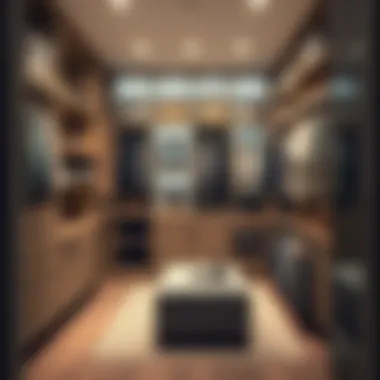
When planning for larger spaces, a U-shaped design comes into play, creating an efficient storage zone that's almost like a room of its own. With both sides of the design overflowing with storage, it's perfect for individuals who need ample space for a vast wardrobe or accessories. This type usually encompasses three walls, allowing an abundance of shelving, hanging, and drawer options.
The benefits of choosing a U-shaped layout include:
- Optimal storage opportunities: You can place long hanging items on the sides and shoes or folded items in the middle.
- Centralized accessibility: Every section is reachable without needing to squeeze through tight spaces.
- Customizable design schemes: It lends itself well to individual aesthetic preferences, whether that’s through color schemes or component materials.
The U-shape's design provides a natural flow, encouraging smooth movement. It's about making large spaces feel structured yet not suffocating.
Linear Designs
Linear designs follow a straightforward approach, typically aligning storage along one wall. This minimalist style is perfect for homeowners seeking a sleek appearance without frivolous extras. Often favored in modern design, linear layouts can also work wonders in long, narrow spaces.
Key features of linear layouts include:
- Simplicity which allows for quick access to all items without navigating around obstructions.
- Convenience in installation: It can be easier to design and customize, requiring fewer materials and potentially reducing costs.
- Effective lighting application: With this layout, it's common to implement track lighting, which can highlight the items in a clean, uncluttered way.
In its own right, the linear design advocates for simplicity—an aesthetically pleasing option while remaining functional. It allows users to organize their closets effectively without a lot of fuss.
Material Choices for Closet Construction
When considering large closet designs, the selection of materials plays a pivotal role that often gets overlooked. The materials you choose not only determine the aesthetic appeal of your closet but also its durability and functionality. Let's explore some key elements to consider when making your material choices, including wood varieties, the differences between MDF and plywood, as well as the incorporation of metal and glass accents.
Wood Varieties
Wood is a classic choice for closet construction due to its durability and timeless beauty. However, not all wood is created equal. There are several varieties to consider, each with distinct characteristics.
- Oak: Known for its strength, oak offers a robust option that resists wear. It tends to have a beautiful grain pattern, enhancing the aesthetic appeal of any closet design.
- Maple: A lighter-colored wood, maple provides a modern feel. It's versatile for both traditional and contemporary styles, and its smooth surface makes it a great choice for painted finishes.
- Cherry: This wood darkens over time, developing a rich hue that can add warmth to your closet. Cherry is more expensive, but the beauty it brings is often worth the investment.
Using a combination of these woods can create an eclectic and appealing look. Just be aware of how different woods can affect the overall color scheme of your closet. Matching tones can be tricky if you're mixing materials, so consider your overall design vision carefully.
MDF vs. Plywood
When it comes to engineered wood, both MDF (Medium-Density Fiberboard) and plywood offer unique advantages. Let's break down their features:
- MDF: This material is made from compressed wood fibers and is known for its smooth surface, making it ideal for detailed finishes and moldings. However, it's important to note that MDF can be susceptible to moisture damage, so proper sealing can mitigate this risk.
- Plywood: Composed of thin layers of wood veneers, plywood is stronger and more resistant to warping. It holds up better under heavy loads, which makes it suitable for shelving or heavy-duty storage solutions.
Ultimately, the choice between MDF and plywood hinges on your specific needs. If you're after a sleek finish and design flexibility, MDF might be your best bet. If sturdiness and resilience are top priorities, then plywood could serve you better.
Metal and Glass Accents
In today's designs, incorporating metal and glass accents can elevate your closet's look while adding modern functionality. These materials can be used in various ways, such as:
- Glass Doors: Opting for glass-front cabinets creates a sense of openness. They allow you to showcase your collection while keeping dust at bay. Plus, glass can make a smaller space feel larger.
- Metal Hardware: Consider brushed nickel or bronze handles and knobs to give a sophisticated touch to your closet. Metal elements can provide a sleek contrast against wood or painted surfaces.
- Shelving: Metal shelving options are not just for industrial spaces. They can add a contemporary feel and are great for creating an airy look in large closets.
Using these accents wisely can also serve practical purposes, such as ensuring that shelves support heavier items without bending.
Design isn’t just about the materials you use; it's also about how they complement each other and enhance your lifestyle.
Functional Features to Enhance Large Closets
Designing a large closet is more than just throwing in some shelves and a rod for hanging clothes. It involves careful consideration of how to blend functionality with aesthetics. Functional features play a crucial role in transforming a mere storage area into an efficient, organized space that adds value to your home. This section highlights various functional aspects that can enhance large closets, focusing on specific elements, their benefits, and considerations to keep in mind.
Built-In Lighting Solutions
One of the most overlooked aspects of closet design is appropriate lighting. Built-in lighting solutions can vastly improve the usability of a large closet. Imagine opening the door only to be greeted by shadows making it hard to find that perfect outfit. Proper lighting not only illuminates the space but also adds a touch of elegance.
- Types of Lighting: Consider using recessed lighting or LED strips. Recessed lights can provide broad illumination, while LED strips can accentuate shelves or unique architectural elements in the closet. Their low energy consumption also makes this choice wallet-friendly in the long run.
- Benefits: Good lighting helps you see all your clothing options, reducing the chance of overlooking items. It can make the closet look larger and more inviting, contributing to overall user experience.
- Considerations: When planning built-in lighting, consider the placement carefully. You want to ensure light reaches all areas without creating glare spots. Lighting dimmers can be an extra added feature, granting you the ability to control brightness for different tasks.
Adjustable Shelving Systems
An adjustable shelving system allows for flexibility in a closet.
- Customization: Life changes, and so do your storage needs. Adjustable shelves can be moved to accommodate everything from shoes to bulky winter jackets. One week, you're storing high heels, while the next, you might find yourself needing space for a stack of sweaters. By embracing adjustable shelving, you give yourself room to adapt.
- Benefits: This system promotes efficient use of vertical space. It also empowers you to tailor the storage to fit your specific belongings, leading to less clutter and a more organized environment.
- Considerations: Ensure that the shelving system is made of durable material to handle varying weights and is securely installed to avoid collapses.
Closet Organizers and Accessories
Adding closet organizers and accessories can significantly improve both the practicality and aesthetics of your large closet. They act as the reinforcements that bolster your design choices.
- Types of Accessories: Consider pull-out racks for shoes, jewelry trays, or tie and belt holders. These elements keep everything accessible without the chaos of a jumbled heap.
- Benefits: Effective organizers minimize clutter, making it much simpler to find what you are looking for. Plus, they can add unique decorative elements. A well-organized closet enhances the flow of your daily dressing routine.
- Considerations: Assess your storage habits. Are you using hooks for scarves or hangers for hats? Make sure the organizers fit not just your items but also your lifestyle.
"A well-organized closet is a reflection of an organized mind."
Functional features immensely enhance large closet designs. From effective lighting to adaptable shelving and tailored organizers, each aspect works together to create a space that meets aesthetic appeal while maintaining practicality.
For further insights on closet organization and design, visit Wikipedia on Closet Organization and check recommendations on user experiences shared on Reddit.
Maximizing Storage Efficiency
In the realm of large closet designs, the effectiveness of how space is utilized can transform cluttered chaos into a symphony of order. Maximizing storage efficiency isn't just about cramming in as much as possible; it requires a thoughtful approach that marries functionality with aesthetic appeal. This balance enhances not just the usability of closet spaces, but also contributes to the overall organization and ease of access within these areas. Understanding the intricacies of storage efficiency empowers designers and homeowners to tailor their spaces to their specific needs, resulting in a practical yet pleasing environment.
Vertical Space Utilization
One common oversight in closet design is neglecting the vertical spaces available. The height of a closet often allows for a wealth of storage opportunities that can be cleverly exploited. Utilizing vertical space involves extending shelves higher up, which can accommodate items that are seldom used, such as seasonal wear or formal attire. Consider installing adjustable shelving to make sure you can adapt to changing needs over time.
Some effective strategies for utilizing vertical space include:
- High Shelving: Use the upper shelves for items like luggage or storage bins. These seldom-used items are perfect for that out-of-the-way area.
- Hanging Rods: Extend hanging rods to occupy more than one level, creating tiers within the closet—ideal for displaying shoes or lightweight clothing.
- Stackable Bins: Choose bins that can be stacked to take advantage of height while keeping your belongings organized and accessible.
By tapping into the vertical potential, homeowners maximize every inch of their closet space, creating a functional area that boasts enhanced storage capacity.
Utilizing Door Space
Every closet door presents a golden opportunity for clever storage solutions that often go unrecognized. It's easy to overlook this valuable area, but customization can lead to increased efficiency. Installing hooks, racks, or pocket organizers on the inside of the doors provides essential extra storage without encroaching on the closet's core space.
Incorporating door space can be accomplished through:

- Over-the-Door Hooks: Perfect for bags, belts, or even jewelry—quickly accessible and out of the way.
- Pocket Organizers: Mesh or clear pockets on the door can hold smaller items like ties or accessories, keeping them organized and visible.
- Mirror Storage: A mirror with storage options on the back not only saves space but adds functionality, allowing for quick assessments of outfits.
This simple modification can drastically enhance organization while maintaining aesthetic appeal. It's about making the most out of every surface available in a closet.
Creative Storage Solutions
Creative storage solutions elevate the storage experience beyond the mundane. Tailoring these solutions to match personal style while solving the problem of clutter can lead to exceptionally organized spaces. Innovative ideas help to integrate both personality and practicality, encouraging users to enjoy their closet rather than dread the organization.
Some notable creative solutions include:
- Pull-Out Drawers: These can be integrated into shelving units, providing a hidden yet accessible area for folded clothes or accessories.
- Multipurpose Furniture: Consider ottomans or benches that can double as storage boxes—functioning seating as well as smart storage.
- Custom Storage Boxes: Personalized storage bins that match the closet's design can keep lesser-used items neatly tucked away while maintaining a cohesive look.
These creative ideas ensure that a closet is not just a utility space but a reflection of one's taste and functional needs.
"A well-organized closet is not just a place for clothes; it is a sanctuary of creativity and efficiency."
Maximizing storage efficiency is a vital aspect of designing large closets. Understanding how to manipulate space, including vertical and door spaces, allows for innovative solutions that lead to organized yet personal areas. This thoughtful approach results in a closet that not only meets storage needs but also aligns with individual design preferences.
Design Styles for Large Closets
When we talk about large closets, it's easy to get lost in the practical aspects of space and organization. Yet, the design style of a closet can heavily influence not just functionality but the overall aesthetic of your home. With a thoughtful approach to design, homeowners can create a closet that combines utility with visual appeal. A well-designed closet doesn’t just hold clothes and accessories; it can become an extension of your living space, reflecting personal style while optimizing the available area.
Modern Minimalism
This design style champions simplicity, often focusing on clean lines and clutter-free spaces. A modern minimalist closet features:
- Neutral Color Palettes: Shades like white, beige, and gray dominate, creating a serene environment that doesn’t distract.
- Streamlined Features: Every addition serves a purpose—think built-in drawers without excessive hardware fuss.
- Functional Lighting: Efficient, integrated lighting designs ensure visibility while maintaining a sleek look.
Essentially, modern minimalism encourages you to keep only what is necessary while showcasing items that truly matter. Homeowners often find that a minimalist closet not only reduces stress but enhances overall organization. With fewer distractions, each item can be curated effectively, leading to a more harmonious daily routine.
Traditional Elegance
For those who lean toward a more classic aesthetic, traditional elegance in closet design can evoke a sense of timelessness. This style typically showcases:
- Rich Wood Finishes: Darker woods such as cherry or mahogany add warmth and lend a touch of sophistication.
- Ornate Detailing: Intricate moldings and cabinet designs give the closet a tailored feel, reminiscent of eras gone by.
- Cozy Textiles: Including soft touches like fabric-covered boxes or plush rugs can make the space inviting.
Utilizing traditional elegance brings a hint of nostalgia into the modern world. It creates an environment that feels grounded and comforting, much like a fine old library. A traditional closet often aged gracefully, showcasing personal style through carefully selected items that make it uniquely yours.
Eclectic Mixes
For the true free spirit, an eclectic mix signifies a vibrant blend of styles, textures, and colors. This design approach embraces:
- Varied Material Use: Pairing metals with woods or mixing printed fabrics can create a lively contrast.
- Unique Storage Solutions: Incorporation of vintage pieces like an antique chest or modern shelving systems brings in diversity.
- Personal Artifacts: Displaying art or souvenir items can make the closet feel more like a personal gallery.
Incorporating an eclectic style can tell a story, celebrating individuality while maintaining functionality. Homeowners might curate their closet as if it were an expressive exhibit, displaying cherished items and diverse influences that connect pieces from different times and places.
In summary, the design style of large closets can play a pivotal role in shaping both functionality and aesthetic appeal. Whether opting for modern minimalism, traditional elegance, or eclectic mixes, understanding these styles allows homeowners to tailor their closets into functional sanctuaries reflective of their tastes and lifestyles.
Incorporating Technology in Closet Design
As we march into an era dominated by innovation, the way we design and utilize spaces has drastically evolved, and closets are no exception to this trend. The integration of technology in closet design serves not only as a means to streamline functionality but also enhances aesthetic appeal. From smart gadgets that assist in organizing belongings to automated lighting solutions, this article section explores how these modern conveniences can revolutionize large closet spaces for homeowners and designers alike.
Smart Organization Tools
When it comes to maximizing the potential of a large closet, smart organization tools come into play as game changers. These tools leverage technology to create personalized storage solutions that promote efficiency. Examples range from mobile apps that help in tracking inventory to digital shelving systems that adjust according to needs.
- Inventory Management Apps: Imagine having a digital catalog of your wardrobe at your fingertips. Apps like "Cladwell" or "Stylebook" allow users to photograph items and organize them, making outfit selection nothing short of a breeze.
- Smart Shelves: These innovative systems can be programmed to adjust height or arrangement based on the items stored. By utilizing sensors, smart shelves can alert users if something is out of place or needs to be reorganized.
- Labeling Systems: Digitized labels can aid in easy identification of stored items, which can be particularly helpful for larger collections. Some systems even use QR codes that, when scanned, provide detailed information about the item.
Implementing these smart organization tools in closets can save time and reduce stress, promoting a more harmonious daily routine.
Automated Lighting Systems
Proper lighting is crucial in any closet, especially when you’re dealing with an expansive space filled with various items. Automated lighting systems not only provide adequate illumination but also add an element of sophistication and convenience to closet designs.
- Motion Sensors: Installing motion-detecting lights ensures that the closet is illuminated as soon as someone steps inside. This not only saves energy but also means never fumbling around in the dark again.
- Dimmable LED Solutions: Adjustable lighting can create ambiance while ensuring functionality. For example, bright lights can be utilized when searching for something specific, while softer tones can come in handy for aesthetic displays or casual browses.
- Color Temperature Control: Some automated systems allow users to change the color temperature of the lights, which can help in color matching outfits more accurately or creating a certain mood.
In summary, incorporating technology in closet design is not merely about adding gadgets. It’s about enhancing user experience, making daily routines smoother and more enjoyable. By integrating smart organization tools and automated lighting systems, homeowners can transform their closet spaces into highly efficient and visually appealing areas.
"The right technology in closet design can turn a practical space into a personalized haven, merging functionality with style in a seamless dance."
For more information on current trends in closet technology, visit Wikipedia on Smart Home Technology or browse Britannica's Guide to Home Automation.
Color Schemes for Large Closets
In the realm of large closet designs, selecting the right color scheme can make or break the overall aesthetic appeal of your space. The importance of color schemes transcends mere personal preference; it can influence mood, perceived space, and ultimately the functionality of the closet itself. A well-thought-out color palette helps create harmony in the design while also ensuring that your closet reflects your personal style. Therefore, understanding both the classic choices and the striking options available can guide you in making informed decisions that enhance your environment.
Neutrals: A Classic Choice
When it comes to closet design, neutrals are often lauded as a time-tested choice. Shades like white, beige, and soft grays create a backdrop that opens up the room and makes every item pop. This can be particularly useful when you have a diverse array of clothing and accessories. Choosing a neutral palette can provide a consistent theme, masking the chaos that can come with a busy wardrobe.
Additionally, neutrals are versatile. They allow for easy integration with various materials and textures, meaning that shoe racks, hanging rods, or shelving can shine without drawing too much attention away from your outfits. For instance, a cream-colored wall will complement both rustic wooden shelves and sleek metallic accents. With neutrals, you can play with forms while maintaining an airy feel that keeps organization in check.
Moreover, a neutral color scheme lends itself well to adaptability. Changing your decor seasonally or adding new accessories doesn’t become a daunting task, as the base colors remain complementary to whatever you introduce. This flexibility also means that your closet can grow and evolve with your wardrobe, saving you the hassle of repainting or refurnishing down the line.
Bold Accents to Create Interest
On the flip side of the spectrum, bold accents can be the secret sauce that livens up a closet space, transforming it from mundane to mind-blowing. Using colors like deep blues, vibrant reds, or even a striking emerald green can create focal points that draw your eye and make the space feel dynamic.
Incorporating bold hues can be done in a multitude of ways. Perhaps opt for an accent wall or painted shelving that draws attention to your most prized possessions. A splash of color can also extend to accessories like storage bins, hangers, or even the door of the closet itself. These little pops can invigorate the closet and encourage creativity in selecting outfits.
Moreover, bold colors can impact mood positively. Research shows that colors like yellow can evoke feelings of happiness, while blues may instill calmness. Therefore, selecting colors not only for their aesthetic appeal but also for their psychological effects can make your closet a pleasant space you want to spend time in.
Choosing the right color scheme for a large closet is as much about personal expression as it is about practicality. Neutrals provide a classic canvas that promotes versatility and calmness, while bold accents inject energy and personality into the design. Ultimately, a well-thought-out color palette will harmonize with your existing decor, enhancing both the functionality and appeal of your storage space.
"Color is the keyboard, the eyes are the harmonies, the Soul is the piano with many strings." - Wassily Kandinsky
Bringing together function and aesthetics, color can elevate your large closet into a striking space that remains true to your personal style.

Common Mistakes in Closet Design
When thinking about large closet designs, it's vital to tread carefully, as even the most fabulous ideas can stumble into pitfalls. Common mistakes in closet design can turn your dream closet into a major headache. This section will take a closer look at how improper planning can hinder functionality and aesthetics, helping you steer clear of those all-too-common errors.
Overcrowding the Space
One of the foremost blunders in closet design is overcrowding the space. While it might be tempting to fill every nook and cranny with shelves, hanging rods, and storage solutions, it often backfires. The end result can resemble a chaotic jumble rather than a cohesive storage area.
"A closet should feel like a sanctuary, not a storage war zone."
When a closet is jam-packed, it not only gets hard to find what you need but also creates an overwhelming visual impact. This can lead to frustration when you're trying to pick out clothes or accessories. To avoid overcrowding, consider the following tips:
- Prioritize Essentials: Focus on storing only the items you truly use and love. A clean slate goes a long way in creating a relaxing environment.
- Opt for Multi-Functional Furniture: Instead of cramming in more standalone storage units, go for pieces that serve multiple purposes. For instance, an ottoman could double as a seat and hidden storage.
- Use Vertical Space Wisely: Take advantage of height by utilizing upper shelves for items seldom used. This keeps the more frequently accessed items at eye level and reduces clutter.
- Regular Purges: Make it a habit to review your closet contents. Seasonal cleanouts help you stay in the clear and, quite frankly, sane.
Ignoring Functionality for Aesthetics
It’s easy to get caught up in chic designs and color coordination, but ignoring functionality for aesthetics might just sink your closet dream. Making choices solely based on how things look can compromise overall usability.
A closet, regardless of size, must serve its purpose at the end of the day. Here are some key areas to focus on to avoid this mistake:
- Accessibility Matters: If certain items are hard to reach or require a stepladder, they will likely end up gathering dust. Incorporate access points that align with your daily routines.
- Consider Daily Habits: Tailor your designs to suit how you actually use your closet. If you frequently pick out outfits at night, consider installing lighting options that create a welcoming ambiance.
- Don’t Skimp on Organization Tools: A few decorative baskets here and there won’t cut it if they're just filled haphazardly. Invest in quality organizers that keep everything in its place.
- Plan for Future Changes: Life evolves—so should your closet. Consider adjustable shelving or rods that can adapt as your needs change, whether it’s new season clothes or different hobbies.
In summary, prioritizing overall functionality alongside aesthetics is essential for creating a closet you can genuinely enjoy using. Keeping space decluttered while meeting your practical needs ensures your large closet truly lives up to its potential.
Maintenance Tips for Large Closets
Maintaining a large closet goes beyond mere organization; it requires a strategic approach that harmonizes function with style. The importance of consistent upkeep cannot be overstated, as it ensures that your closet continues to serve its purpose effectively while also contributing to the overall aesthetic of your home. A well-maintained closet enhances your daily routines, ensuring you can easily find what you need without the chaos of an overcrowded or disorganized space. Furthermore, regular maintenance prolongs the life of your materials and supports the investment you've made in this integral part of your home.
Regular Organization Practices
Staying on top of organization is vital in the realm of large closet upkeep. It's not a one-time task but rather an ongoing process. Implement a routine that suits your lifestyle and allows you to keep tabs on what you own.
- Scheduled Cleaning Days: Set aside specific days, perhaps monthly or seasonally, for deeper dives into your closet organization. During these sessions, sort items by type, frequently used, and seasonal needs.
- Decluttering Practices: Employ a “one in, one out” rule—every time you bring a new item into your closet, remove one that you no longer need or use. This keeps your collection manageable.
- Category Segmentation: Use dividers or baskets to separate different categories like shoes, clothes, or accessories. A visual barrier can sometimes jog the memory about what you have and make items easier to access.
By making organization a habit rather than a chore, you can ensure your closet remains functional and stylish.
Cleaning and Care of Materials
The materials used in your large closet are as crucial as the design itself, and understanding how to care for them will maintain their appearance and durability over time.
- Wood: If your closet features wooden elements, regular dusting with a soft cloth is essential. A monthly application of a suitable furniture polish can help maintain its shine and protect against wear.
- Metal Fixtures: Often found in modern closet designs, metal handles or brackets should be wiped down with a damp cloth. Avoid harsh chemicals that can cause tarnishing.
- Glass Elements: If glass is a part of your closet look, using window cleaner or vinegar-water solutions will keep it streak-free. Regularly cleaning glass shelves and doors prevents buildup that can obscure your lovingly arranged items.
"Taking care of the materials not only preserves their beauty but also adds longevity to your closet's life."
- Textiles: For fabric-based storage solutions, check care labels before cleaning. Regular vacuuming or lint-rolling can keep things neat, especially when maintenance practices are incorporated into your daily routine.
By following these maintenance tips, you’ll ensure your large closet remains not only a functional space but also a vital and attractive aspect of your home. The closet is more than just a storage area; it reflects your style and organizational philosophy.
Future Trends in Closet Design
The landscape of closet design is changing, reflecting broader lifestyle shifts and evolving aesthetics. Understanding these trends is crucial for anyone involved in home design, from designers to homeowners. As people seek functional yet stylish solutions in their living spaces, future closet designs emphasize sustainability and well-being. Integrating these principles can significantly enhance the appeal and utility of closet spaces.
Sustainable Materials
Sustainability is no longer just a buzzword; it’s a guiding principle that's shaping the materials we choose for closet design. Homeowners are becoming increasingly aware of the environmental impact of their choices. Using sustainable materials, such as bamboo, reclaimed wood, or recycled metal, is gaining traction in closet construction. These materials not only help reduce the carbon footprint but also provide unique aesthetic benefits.
For instance, bamboo is a rapidly renewable resource that offers durability along with a clean, modern look. Reclaimed wood brings character and history into the space—each piece tells a story. Here are some benefits of opting for sustainable materials in closet design:
- Environmental Impact: Reduced deforestation and energy consumption in production.
- Longevity: Many sustainable materials, like reclaimed wood, are often more durable than their conventional counterparts.
- Unique Aesthetic: Natural imperfections and variations in color and texture can give a closet a distinctive and inviting feel.
Adopting sustainable practices is not just a trend; it’s a necessary evolution, affording consumers a way to contribute positively to the environment while still achieving their design goals.
Integrating Wellness Concepts
The integration of wellness concepts into closet designs is another trend that's gaining momentum. It's driven by a growing awareness of how our environments affect our overall health and well-being. Closets that promote organization and serenity can influence moods and stress levels positively.
Creating a calming atmosphere can be as simple as incorporating natural light, which has been shown to enhance mood and productivity. This can be accomplished through design features like windows or skylights. Another angle involves using soft color palettes, inspired by nature. Earthy tones can create a soothing environment, making the act of choosing an outfit feel less overwhelming.
Here are a few strategies for integrating wellness into closet design:
- Mindful Organization: Keep only what truly brings you joy and discard items that don't serve a purpose, as advocated by Marie Kondo. This practice can declutter your mind as well as your space.
- Incorporating Nature: Adding potted plants can improve air quality and aesthetics, promoting relaxation in what can otherwise be a chaotic space.
- Ergonomic Design: Ensuring that shelving and hanging spaces are designed for ease of access can reduce physical strain, particularly in larger closets.
As we move forward, these wellness concepts are expected to evolve, becoming more comprehensive and central to closet design. Emphasizing health and sustainability can transform these spaces into havens, inviting self-care into our daily routines.
End
The significance of adept closet design cannot be overstated in the discourse of large closet designs. A well-thought-out closet serves more than just functional storage; it is a manifestation of personal style and lifestyle. When designed effectively, closets can morph from mere storage spaces into an integral part of one’s home décor, enhancing both aesthetics and efficiency at once.
In this article, several pivotal elements were explored:
- Functionality: Understanding how different layouts and materials can optimize your space is crucial. Choices in design affect daily ease of use and accessibility, ensuring that one’s belongings are not just stashed away, but easily navigable.
- Aesthetic Appeal: The blend of beauty with practicality can create a sanctuary that reflects individual taste. Colors, textures, and finishes all play roles that can elevate a simple closet into a stylish feature of a home.
- Adaptability: Awareness of future needs leads to the creation of adaptable spaces that can be modified as lifestyles change over time.
These components underline that a closet is not just a room—it’s a narrative of one’s life. Proper organization fosters clarity in daily routines, while aesthetic choices make a statement about who we are.
"A well-designed closet can not only transform the space but also elevate the overall ambiance of a home."
As we wrap up this exploration, it's essential to realize that investing time and thought into closet design is time well spent; it's about creating an environment conducive to both functionality and personal expression, ultimately tying together the overall design of your living space.
Recap of Key Points
In summary, the insights discussed can be distilled into several key takeaways:
- Large closets can optimize storage through innovative designs like walk-ins and reach-ins.
- Material choices impact both the look and longevity of the closet.
- Functionality should guide aesthetic decisions, ensuring practical needs are met while creating a pleasing visual layout.
- Technology can enhance organization and ease of use in modern closet designs.
- Anticipating future needs allows for flexibility in design, catering to evolving lifestyles.
All these points serve as foundational pillars in crafting a large closet that is not only functional but also resonant with personal style.
Encouraging Thoughtful Design Choices
As readers embark on their journey of designing or redecorating their large closets, it's vital to approach the process with mindfulness. Each decision made—be it in layout, color, or material—should be guided by several considerations:
- User Needs: Think about what you access most frequently. Place those items at arm's reach, and store infrequently used belongings out of sight.
- Space Management: Consider how to use every nook and cranny. This might involve installing shelves on walls or utilizing vertical space through hooks or hanging organizers.
- Personal Aesthetics: Align your closet's look with your overall interior design aesthetic. Integrate elements that reflect your style, whether it be sleek modern lines or rustic wood finishes.
- Flexibility and Adaptability: Build a system that can grow or change with your needs. This foresight can save headaches in the long run, especially with growing family needs or changing fashion trends.
Taking the time to thoughtfully consider these aspects will lead to a more refined and satisfying closet experience. Ultimately, the closet can go from being a forgotten space to a curated extension of your home—one that impresses with its combination of utility and style.