Key Organization: Aesthetics and Functionality of Hook Boards

Intro
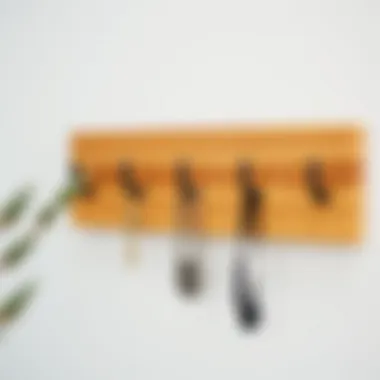
In today’s bustling world, keeping track of one’s belongings can be a real chore. For many, locating the house keys often turns into an unproductive scavenger hunt. Enter the practical charm of boards outfitted with hooks for keys. Not only do they serve the functionality of organized storage, but they also bring a degree of aesthetic finesse to home interiors. Whether a minimalist space calls for sleek simplicity or an eclectic vibe demands a more creative approach, these boards can fulfill varied requirements. This article aims to guide homeowners, designers, and decorators through the nuances of selecting and incorporating these key organizers into their spaces, ensuring they marry both functionality and beauty seamlessly.
Furniture Styles
Overview of Popular Furniture Styles
When considering boards with hooks, it's vital to understand the surrounding furniture styles. Each style serves as a backdrop that can complement or clash with your choice of key organizer.
- Modern: Characterized by clean lines and a lack of ornamentation, modern boards focus on simplicity. Think of polished metals or smooth woods that fit seamlessly into stream-lined spaces.
- Rustic: Emphasizing natural materials and a worn charm, rustic key holders might utilize reclaimed wood or wrought iron. They evoke a sense of homeliness that resonates with many.
- Industrial: This style often incorporates raw materials like distressed wood and exposed metal. Boards designed with an industrial flair can serve as a bold statement piece in an urban loft setting.
- Traditional: Classic designs often feature intricate work and rich wood finishes. Boards that convey elegance and timelessness can accentuate more classic and formal decor.
Mixing and Matching Styles for Your Home
Mixing and matching different furniture styles has become an art in the contemporary world of design. The key is to maintain a cohesive look while allowing each piece, including your key board, to shine on its own. A modern key holder can surprisingly complement a rustic table if the colors harmonize. Likewise, an industrial board can act as a striking contrast against soft, traditional furnishings. It’s about striking a balance that caters to personal taste without creating discord.
"The beauty of home decor lies in the ability to express individuality through an artful mixture of styles."
Material Choices
Benefits of Different Furniture Materials
Choosing the right material for a key board is as crucial as its stylistic design. Each material has its benefits and limitations that can impact its use in a home.
- Wood: Durable and customizable with various finishes, wood can range from light pine to rich mahogany, each bringing a different warmth.
- Metal: Steel or brass boards add a contemporary touch, often being more durable than other materials. They are typically easier to maintain as well.
- Plastic: While not as aesthetically pleasing, boards made from plastic can be affordable. They come in a range of colors and designs, making them suitable for playful or casual interiors.
Eco-Friendly Furniture Options
As sustainability continues to rise in importance, eco-friendly choices have become more commonplace. Look for key boards made from reclaimed materials or sustainable wood sources. Some companies even produce boards using recycled plastics, ensuring that functionality does not come at the expense of the environment. Such selections represent a thoughtful choice for homeowners looking to reduce their carbon footprint while enhancing their living spaces.
In the journey of integrating boards with hooks for keys into one’s home, understanding styles and materials lays the groundwork. Selecting a piece that resonates with your aesthetic vision and meets practical needs can transform the often-cumbersome task of finding keys into a stylish and organized endeavor.
Prelims
Every household has its fair share of clutter, and keys often end up at the bottom of bags, lost in pockets, or just plain misplaced. This article dives into the significance of organizing keys with the help of boards equipped with hooks. Having a dedicated space for keys isn’t just about functionality; it also enhances the aesthetic appeal of your home. Adding a well-designed board can serve as a stylish focal point while making sure your keys are always within reach.
Purpose and Importance of Key Organization
Keeping your keys organized is more than just a matter of convenience; it's about establishing a sense of order in your life. The purpose of using boards with hooks is multifaceted. Firstly, they address the daily frustrations associated with misplaced keys, which can often lead to chaos when rushing out the door. When keys have a designated spot, it reduces the mental load and stress. You can grab your things and go, without the usual last-minute scrambling.
Another aspect worth mentioning is the way a key board can reflect personal style. With various designs and finishes available, these boards can become a part of the home decor. They can say a lot about you. Choosing a particular design may align with your taste, whether it’s rustic wood for a cozy vibe or sleek metal for a modern touch.
Additionally, there's a psychological benefit. A well-organized space can create a calmer environment. Reduced clutter contributes to improved mental clarity and can even influence productivity. So, the key board becomes not only a tool for organization but also a means to promote a serene living space.
Overview of Key Board Designs
When it comes to key boards, the market is flooded with options. From chic minimalist designs to vibrant and quirky options, there’s no shortage of choices. One can find boards made from wood, metal, or a mix of both, each offering different aesthetic and functional benefits.
Wooden key boards, for instance, can be crafted from various types of wood, each with its own unique grain pattern and color. Options like oak, maple, or reclaimed wood can add a warm, inviting feel to an entryway. Metal boards provide a modern alternative; they are often more durable and come in a variety of finishes like brushed, glossy, or matte.
Moreover, there are mixed-material boards that combine the best of both worlds, taking advantage of the aesthetic appeal of wood alongside the durability of metal. These hybrid designs often offer an eye-catching contrast that draws attention.
Selecting the right key board also involves considering the hook designs. They can vary widely in shape and size, catering to both function and style. Whether opting for simple hooks that blend seamlessly with the board or decorative ones that stand out, the choice can set the tone for your overall entryway style.
All these considerations come together to form a comprehensive understanding of how key boards can elevate both organization and design in your home. As we explore this topic further, be prepared to find practical insights that can guide you in making thoughtful decisions about incorporating these boards into your space.
Types of Boards with Hooks
When we consider boards equipped with hooks for key organization, understanding the different types available is crucial. The material and design choices not only determine the board's utility but also its integration into the home environment. By selecting the right type of board, homeowners and designers can enhance both functionality and aesthetics, ensuring that key organization does not feel like a mundane task but rather an elegant addition to their space.

Wooden Boards
Characteristics of Different Wood Types
Wooden boards offer a classic charm and warmth that appeals to many homeowners and decorators alike. The choice of wood type significantly influences the board's overall aesthetic and durability. For instance, oak is known for its strength and longevity, making it a favored choice. Meanwhile, pine, while softer and less dense, brings a lighter feel, often with unique knots and grains that add character.
A crucial aspect to consider is how these characteristics contribute to the board's functionality. Hardwoods tend to resist wear and tear better than softer woods. The natural variations in wood grain can also enrich the space, making each board feel unique. However, one should ensure that the chosen wood is treated properly to prevent damage from moisture.
Finishes and Treatments
The finish applied to wooden boards can enhance not only durability but also appearance. For instance, a natural oil finish retains the wood's grain and beauty, allowing for easy repairs and a natural look. On the other hand, a polyurethane coating provides a protective layer, making the surface more resistant to scratches and spills.
Different finishes can significantly affect the board's maintenance needs. While oil finishes might require reapplication every few years, polyurethanes can last longer without much upkeep. Choosing the right finish can add to the board's appeal and functionality.
Metal Boards
Benefits of Metal for Durability
Metal boards present a modern alternative that is hard to beat in terms of durability. Materials like stainless steel or aluminum resist rust and corrosion, ensuring that they hold up well even in challenging environments. This robustness makes them perfect for entryways where keys, especially in busy households or offices, need a reliable storage solution.
Additionally, the sleek look of metal can emphasize a contemporary aesthetic. However, they can also become scratched or dented if not cared for properly. Overall, their longevity often makes them a more cost-effective choice in the long run, proving their value outweighs any initial investment.
Design Variations and Styles
The design possibilities with metal boards are vast. Options range from minimalist designs to intricate patterns that can serve as artistic focal points. Unfinished metal pastes well in industrial-themed homes, while powder-coated finishes allow for vibrant colors, blending functionality and artistic expression seamlessly.
One noteworthy feature is that many metal boards can double as magnetic surfaces, allowing for extra organizational options beyond hooks. This versatility adds depth to their aesthetic appeal while enhancing their utility.
Mixed-Material Boards
Combining Materials for Aesthetic Appeal
Mixed-material boards often incorporate the best of both worlds, combining wood and metal or various types of wood. This fusion allows for creative expressions that can adapt to different design requirements. The juxtaposition of textures can create visual interest in any space, inviting observers to take a closer look.
For example, a board featuring a wooden frame with a metal backplate not only serves as a key holder but also stands as a piece of art. However, it’s essential to consider how these mixed materials interact, as improper pairing can lead to aesthetic dissonance.
Practical Applications
In practical terms, mixed-material boards can optimize functionality. The combination of sturdy metal hooks with the warmth of wood offers a balanced solution for key organization. Beyond organization, they can also serve as display showcases for smaller decorative objects, such as photographs or art pieces, which adds another layer to their usability.
However, when incorporating mixed materials, attention should be paid to the weight limits of the hooks and the attachment points to the wall. Ensuring proper installation can prevent any accidents, particularly in high-traffic areas.
By understanding these distinct types of boards with hooks, one can make educated choices regarding their design and functionality goals. Each option brings unique characteristics to the table, catering to diverse needs and preferences.
Design Aesthetics
A key organizer may be practical, but when it comes to home decor, the aesthetics play an equally essential role. Design aesthetics isn’t just about how something looks; it encompasses the feelings and moods that an object invokes in the spaces we inhabit. In the context of boards with hooks for keys, aesthetics can elevate the overall atmosphere of a room while enhancing functionality. A beautifully designed board can serve as a statement piece, blending seamlessly into the room's theme or creating a striking contrast that grabs attention. Here, we'll explore the key considerations for design aesthetics and how they contribute to the overall appeal of these organizational tools.
Choosing the Right Style for Your Space
Contemporary vs. Traditional
When it comes to styles, the clash of contemporary against traditional approaches often sparks spirited debates among designers and homeowners alike. Contemporary design is characterized by clean lines, a sleek look, and often an emphasis on minimalism. This gives boards with hooks a fresh, modern flair that can light up a room. On the other hand, traditional design leans more towards rich materials and intricate craftsmanship. The allure of this style lies in its warmth and familiarity, wrapping your space in an inviting embrace. Choosing between them really comes down to personal preference and how each style aligns with your overall décor goals.
Some may find contemporary boards appealing due to their uncluttered appearance, providing a convenient, stylish way to keep keys organized. Traditional boards, however, carry the weight of classic designs, enriching spaces with a touch of nostalgia while still being functional. Thus, understanding these styles—how they can complement or contrast with your existing decor—becomes vital in making an informed decision.
Minimalist Approaches
Simplicity can be more than just a trend; it's an enduring philosophy in design. Minimalist boards with hooks embody this principle by focusing on essential features and eliminating excess. The genius of a minimalist approach is that it allows for an unobtrusive yet effective organizational tool. These boards often showcase uninterrupted surfaces and a monochromatic color palette, which can help in creating a serene environment.
Notably, the strength of minimalism is not just in its appearance but also in its mindset. It fosters a sense of tranquility, free from visual clutter—something that can lighten mental load. However, it's crucial to consider that minimalistic designs can sometimes feel too stark, lacking personality or warmth if not carefully integrated into the space. This balance is what makes choosing this style both appealing and challenging.

Color Coordination
Impact on Room Ambiance
Colors dramatically affect the ambience of a room. The choice of hues for your key board can influence everything from the mood to the perceived size of the space. Light colors, like whites and pastels, can make a room feel airy and open. Darker shades can evoke a sense of coziness but, if misused, might overwhelm smaller spaces. This makes the color selection process pivotal—after all, the wrong shade might stir feelings of chaos instead of organization.
For boards that aim to enhance aesthetics, staying attuned to these color dynamics is imperative. A thoughtful color choice elevates not only the board’s appearance but also the entire room’s feel, linking it artfully with the home’s decor.
Matching with Existing Decor
It’s one thing to choose a stylish board; it’s another to ensure it harmonizes with what already exists in your space. Matching your key board with existing decor means considering the style, color palette, and materials that are already present. A well-matched board can serve as a cohesive element in the room, making the space feel integrated and well thought out.
On the flip side, if the board is at odds with your decor, it risks becoming a visual distraction, which might lead to a cluttered look rather than a neat arrangement. Balancing function and aesthetics here is paramount. The question of how your board relates to the broader environment will always influence how effectively it fulfills its purpose.
Design aesthetics go beyond mere visual appeal—it's about creating a space that feels good and functions well. Each decision has the potential to reshape the emotional landscape of your home, making aesthetics a cornerstone of effective organization.
Functional Considerations
When it comes to boards equipped with hooks for keys, understanding the functional considerations is crucial. Not only do these boards serve a functional purpose of key organization, but they can also significantly influence the effectiveness of how well they fulfill their role in daily life. Evaluating various elements—such as hook types, load capacity, placement, and accessibility—can greatly enhance the user experience and ensure that these boards integrate smoothly into any home environment.
Hook Types and Their Usability
Potential Load Capacity
The potential load capacity of the hooks is a vital aspect that can affect the usability of a key board. A hook may look sturdy but assessing its load capacity reveals its true utility. Many boards feature hooks that are designed to hold an assortment of items—not just keys. Some hooks can handle multiple keys alongside heavier objects, like dog leashes or small bags. This characteristic is essential because it prevents wear and tear on both the board and the hooks as they manage weight effectively.
With a load-bearing capacity of up to 10 pounds, for instance, a board can accommodate various objects without bending or breaking. This makes them a popular choice for busy households where efficiency is key. However, overloading or not respecting the limit can lead to accidents or damage, impairing the purpose of the board itself.
Shapes and Sizes of Hooks
The shapes and sizes of hooks can significantly impact the board's functionality. A wide variety of hooks can be found on the market—from traditional rounded hooks to specialized designs such as J-hooks or S-hooks. Each shape serves a unique purpose; for example, S-hooks can be particularly effective for hanging multiple keys while still remaining accessible.
The uniqueness of the shapes allows users to choose what best suits their needs. Generally, larger hooks can hold bulkier items but can sometimes become cumbersome in tight spaces. Conversely, smaller hooks may not bear as much weight but can fit seamlessly into minimalist designs. Ultimately, selecting the appropriate hook shape and size could mean the difference between an organized entryway and chaotic clutter.
Placement and Accessibility
Optimizing Convenience
Placement is another key aspect to consider for maximizing the convenience of your key board. The location of your board should be thought out carefully—ideally in high-traffic areas like near the door or in the hallway. This not only makes it easy for you to grab your keys on the go, but it also leaves a lasting impression on guests. Furthermore, accessibility affects usability; a board placed too high or too low might make quick access frustrating.
Users looking for convenience often opt for boards equipped with hooks that allow for easy reach while maintaining visibility. For instance, placing hooks at varying heights can cater to different household members, from children to adults. This unique feature can bolster efficiency—helping ensure no one is fumbling around searching for their belongings when they’re rushing out the door.
Safety Considerations
Lastly, safety considerations should not be pushed aside. The design and placement of the board can pose potential hazards if not placed thoughtfully. Sharp edges on poorly designed boards may lead to injuries, especially in family homes. Moreover, a board that sways too much or is inadequately secured can become a tipping hazard, especially if heavier items hang from it.
Ensuring that the board is mounted securely, using appropriate tools and anchors, can prevent accidents. Components that are low to the ground should also be kept free of sharp or heavy objects that might roll or fall. Hence, having thoughtful safety features is a necessary consideration that aims at reducing risks while enhancing functionality.
Installation and Maintenance
Ensuring that boards with hooks are not only beautifully designed but also properly installed and maintained can make a significant difference in both their functionality and longevity. This section addresses the critical components of installation and upkeep, emphasizing how correct practices enhance the overall effectiveness and aesthetic appeal of key organization solutions.
Tools Required for Installation
When setting up your key board, having the right tools can smooth the path to success. Here’s a rundown of the essentials:
- Screwdriver: Depending on your board's design, you may need either a flathead or Phillips screwdriver for securing screws.
- Drill: For a more permanent installation, a drill can help create the necessary holes in the wall.
- Level: You want your board straight, so a level ensures that everything looks neat.
- Measuring Tape: Proper measurement prevents misalignment and mistakes during installation.
- Stud Finder: If you're mounting on a wall, finding a stud is critical for the sturdiness of your installation.
- Pencil: A simple pencil helps in marking where to drill or place hooks.
By gathering these tools beforehand, the installation process can be efficient and ornamental results improved.
Step-by-Step Installation Guide
Getting your board on the wall involves several straightforward steps. Here’s how one can go about it effectively:
- Select the Location: Identify where you want to hang the board. Consider ease of access and visibility.
- Mark Your Drill Points: With a pencil, mark the exact spots where the screws or hooks will go. Using a level at this stage can ensure your markings are even.
- Drill Holes: If you’re using a drill, carefully create holes at the marked points. If it's into drywall, be cautious as it can be fragile.
- Insert Anchors: In case your key board is heavy, consider inserting wall anchors to hold the screws well.
- Mount the Board: Align the board with your drilled holes and gently screw it into place. Check frequently with the level.
- Secure Hooks: If your design has attached hooks, ensure they are firmly installed.
Following these steps can dramatically reduce headaches during installation, leading to a more polished final product.
Cleaning and Maintenance Tips
Preserving Material Quality
Preserving the material of your key board is essential for maintaining its aesthetic charm and functionality. Different materials, whether wood, metal, or mixed composites, have specific requirements. For instance, wooden boards should ideally be cleaned with a damp cloth followed by a dry wipe to avoid water damage. Applying a wood conditioner every six months not only enhances the grain but guards against drying and cracking. Likewise, metal boards benefit from being dusted regularly to prevent rust or tarnish.
In short, preserving material quality helps ensure that your board continues to serve both as a functional organizer and as a decorative element. Regular attention to materials can save a lot of trouble down the line, ensuring durability and visual appeal remain intact.
Preventative Care
Taking some steps for preventative care can extend the life of your boards significantly. This includes not just cleaning, but also ensuring hooks are not overloaded. For example, regularly inspect hooks for any wear and tear, and avoid placing excessive weight on them. It’s a good idea to periodically rearrange your key hanging habits to vary the stress points on the board.
Additionally, keeping your board in a stable environment — away from heat sources and direct sunlight — helps prevent warping or fading. Preventative care maintains the board’s functionality and appearance, allowing it to contribute positively to your space’s aesthetics longer.
“A well-cared-for board with hooks not only keeps your keys organized but also adds a unique touch to your décor.”
By prioritizing these installation and maintenance practices, one can truly appreciate the blend of beauty and utility that boards with hooks for keys provide. The effort put into doing it right from the start only pays off in the long run.
Psychological Effects of Organized Spaces
In today’s fast-paced world, the significance of an organized environment cannot be overstated. Boards with hooks serve not only as functional storage but also elevate the aesthetics of living spaces, which, in turn, has profound implications on mental well-being. By integrating such elements into home decor, individuals embrace a more organized lifestyle that contributes positively to their psychological state. This discussion encompasses various facets, including how an orderly environment can enhance mental clarity and reduce stress.
Impact on Mental Clarity
Visual clutter competes for attention, often leading individuals to feel overwhelmed and distracted. An organized space, aided by functional design elements like boards with hooks, can create a sense of mental order. Studies have shown that when your surroundings are tidy, your ability to focus improves remarkably. A clear path from the entrance door to other areas of the home fosters an inviting atmosphere, promoting a sense of welcome for both residents and guests.
When keys are hung in their designated spots—say a beautifully crafted wooden board with artistic hooks—there's an underlying cue that prompts mental organization. Individuals spend less time searching for misplaced items and more time engaging in activities that matter.
"A clean space is a blank canvas for productivity."
Moreover, having a dedicated spot for keys aids in establishing routines. When daily habits align with an organized environment, it breeds confidence and efficiency. In essence, key boards facilitate a straightforward approach to managing one’s affairs, paving the way for enhanced clarity in both thought and action.
Stress Reduction through Organization
Stress is often a byproduct of chaos. An unkempt area can exacerbate feelings of anxiety, leading to a vicious cycle where disarray results in emotional distress. Having a place to hang keys or other frequently used items minimizes chaos at home.
When an individual enters their abode and spots a well-organized key board, it signals that they have control over their environment. This small but noteworthy aspect can reduce stress significantly. For homeowners and decorators, choosing a design that resonates with personal aesthetics also plays a crucial role. Whether it's a sleek metal finish or rustic wood, the right design can provoke positive emotions, making it easier to unwind.
Implementing boards with hooks into a living space is a straightforward step toward minimizing daily stressors.
- Visibility: The keys are always in sight, reducing the frustration of misplaced items.
- Routine Establishment: Reinforces positive habits through consistency.
- Controlled Environment: Confers a sense of ownership and mastery over one's space.
Ending
In wrapping up our examination of boards with hooks for keys, it becomes clear that the significance of such organizational tools extends beyond mere functionality. These boards serve a dual purpose, acting not only as handy storage solutions but also as pivotal elements in home decor. Investing in a stylish board does more than just keep your keys in one place; it reflects your aesthetic sensibilities and contributes to a well-ordered living space.
Recap of Key Points
As we've explored throughout this article, several key points emerge:
- Functionality: Boards with hooks provide a practical way to keep track of your keys, eliminating the frustration of misplaced items.
- Design Variety: With choices ranging from wooden to metal and mixed-material styles, there's a design to suit every taste and decor scheme.
- Psychological Benefits: An organized space effectively promotes mental clarity and reduces stress, fostering a more serene home environment.
- Installation and Maintenance: Understanding the methods for installing and caring for these boards ensures longevity and continued practicality.
Taking these factors into account can guide choices that align both with personal style and functional needs.
Final Thoughts on Key Boards
Ultimately, boards with hooks are small, yet powerful additions to a home. They merge practicality and style in a way that resonates with anyone looking to enhance their space. Whether you’re a homeowner, designer, or realtor, the right boards can significantly influence the essence of a room. They reflect personal taste while serving a clear purpose. As such, investing time in selecting the perfect pull-together for your keys is more than just about organization; it’s about making a statement in your living space.
For more information on organizing spaces and enhancing home decor, consider references from Britannica or explore community discussions on Reddit.