Exploring the Multifunctionality of Gooseneck Light Extensions
Intro
In today’s fast-paced world, the need for versatility in home and workplace design cannot be overstated. One often overlooked yet highly adaptable lighting solution is the flexible gooseneck light extension. Gone are the days when lighting merely served one purpose; now, it complements and enhances our dynamic spaces, be it a cozy reading nook or a bustling office desk. The flexible design offers not only functionality but also an opportunity to highlight personal style.
Flexible gooseneck light extensions allow you to position light at precisely the right angle, providing targeted illumination where it's needed the most. This adaptability makes them invaluable, especially in areas where tasks vary from reading to working on intricate designs. They bridge the gap between utility and style, seamlessly integrating into various decor themes. By examining their design features, practical applications, and placement strategies, we can better understand how this innovative lighting choice enhances both the aesthetics and functionality of any environment.
Understanding the significance of such lighting solutions is crucial for designers, homeowners, and decorators eager to create beautiful, functional spaces. This article will guide you through the multifaceted roles of flexible gooseneck light extensions and provide insights into their effective use.
Furniture Styles
Overview of Popular Furniture Styles
When we think about setting the right ambiance in a room, the furniture style plays a pivotal role. Different styles resonate with different individuals; some may prefer the clean lines of modern design, while others may gravitate towards the warmth of rustic themes. A well-placed gooseneck light can accentuate the unique elements of these styles, enhancing not just visibility but also overall charm.
- Modern: Characterized by minimalism and simplicity, modern furniture pairs beautifully with sleek gooseneck lights that provide functional lighting without overwhelming the space.
- Industrial: For a raw, urban feel, gooseneck lights can amplify the ruggedness of exposed brick and metal furnishings.
- Rustic: In country or farmhouse interiors, flexible lighting can highlight the wood textures and cozy features found in such spaces.
- Mid-Century Modern: This style thrives on character, and adding a gooseneck light can provide accent lighting, drawing attention to key aspects of the decor.
Mixing and Matching Styles for Your Home
The days of strict adherence to a single furniture style are long gone. Today, mixing and matching different styles has become a trend that allows for more personalization in home decor. A flexible gooseneck light can serve as a uniting element that connects eclectic pieces throughout a room or home.
- Creating Contrast: For instance, pairing a sleek, modern gooseneck lamp with vintage wooden furniture creates intriguing contrasts, showcasing the beauty in diversity.
- Layering Textures: Combining gooseneck lights with textiles such as linens, leather, or shag rugs can elevate the comfort factor while maintaining an artistic vibe.
A well-thought-out balance can yield a unique atmosphere that speaks to one’s personality and lifestyle.
Material Choices
Benefits of Different Furniture Materials
Materiality significantly influences both aesthetics and functionality. Understanding the various materials can enhance the functionality of gooseneck lights while complementing the chosen styles.
- Metal: Highly durable and often used in modern design. Goosenecks made from metal not only add a contemporary flair but ensure longevity, regardless of usage frequency.
- Wood: Naturally inviting, wood brings warmth to spaces. A wooden base with a flexible gooseneck can provide a rustic touch, ideal for creating that homey feel.
- Plastic: More lightweight and often less costly, plastic options can offer vibrant colors and shapes, which work well in children’s rooms or playful environments.
Eco-Friendly Furniture Options
Sustainability is more than a buzzword today; it’s a lifestyle choice for many homeowners. Opting for eco-friendly materials in both furniture and lighting not only supports a healthier environment but also adds a layer of ethical consideration to design choices.
- Reclaimed Wood: Using previously utilized wood for gooseneck lamps aligns with sustainable practices, promoting recycling and lessening environmental impact.
- Bamboo: Fast-growing and highly renewable, bamboo furniture pairs effortlessly with flexible light extensions made from similar or complementary materials.
The incorporation of such materials into your space can elevate its overall feel, reflecting consciousness towards the planet while enhancing visual appeal.
Flexible gooseneck lights are not merely tools; they are instruments of creativity, merging functionality with style in the most harmonious way possible.
Prelims to Flexible Gooseneck Light Extensions
In today's dynamic world of interior design, flexible gooseneck light extensions emerge as an essential asset for both functionality and aesthetic appeal. This article aims to unravel the versatility of these unique lighting solutions by examining their various design features, practical applications, and effective placement strategies.
Flexible gooseneck lights offer the blend of adaptability and style that many designers, homeowners, and decorators seek. Their ability to be adjusted to specific needs while enhancing an environment's overall look makes them noteworthy additions. Imagine illuminating a workspace just right for task-oriented activities or creating a cozy reading nook with the perfect angle of light—it’s all possible with these accessories.
One of the primary benefits of flexible gooseneck light extensions is their multifunctionality. They serve various purposes while fitting into diverse interior styles—from modern minimalist setups to rustic vintage ambiances. Therefore, understanding their definition and functionality is crucial in fully appreciating their role in contemporary spaces.
Definition and Functionality
Flexible gooseneck lights are characterized by a long, adjustable neck that allows the light source to be oriented in multiple directions. This design offers the convenience of targeting light where it’s most needed, whether it be a desk for detailed work or a corner for ambiance. Moreover, the construction typically involves a robust base that provides stability, ensuring the light stays in place once adjusted.
These lights can be integrated with several types of bulbs, including LED options that offer energy efficiency, making them not just stylish but also practical. The ease of connectivity, whether through standard power outlets or USB ports, enhances their usability, appealing particularly to those working from home or enjoying hobbies such as crafting.
Historical Context of Flexible Lighting
The evolution of lighting technology has brought us a long way from the days of simple sconces and chandeliers. Flexible lighting, particularly gooseneck designs, can trace their roots back to traditional lamp designs that sought to answer the needs for better light directionality.
Initially, the gooseneck style was popular in applications requiring adjustable light, such as in workshops or task lighting in manufacturing settings. Over the years, these fixtures found their way into homes and offices as personal decorative preferences evolved, allowing users to not just apply functionality but also inject personal style into their lighting choices. Their widespread adoption today reflects not just a trend, but a substantial shift in how people think about lighting in terms of versatility and adaptability.
Design Features of Gooseneck Lights
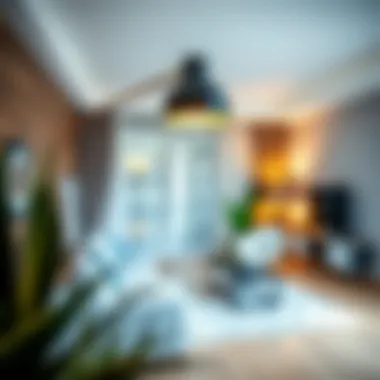
When considering the design features of gooseneck lights, one must appreciate the intricate balance of style and functionality they offer. The design is not merely an aesthetic choice; it plays a vital role in how these lights integrate into living and working spaces. From the materials chosen to the overall shape and style, each aspect contributes significantly to their popularity and versatility. In this section, we delve into specific design elements that make gooseneck lights endearing to designers, homeowners, and decorators alike.
Material Choices
Metal
Metal is a prime player in the universe of gooseneck lights. Its strength and durability lend themselves exceptionally well to prolonged use. Aluminum and steel are common choices, owing to their ability to withstand wear and tear while maintaining a polished look. A gooseneck light crafted from metal often embodies a sleek, contemporary aesthetic that appeals to modern sensibilities.
The sturdy nature of metal ensures that the light remains steadfast in its placed position, which is essential for directing light where it’s needed. It doesn’t easily warp under the external conditions; this durability can be seen as both a key characteristic and as a major plus for anyone looking for a long-lasting option. However, one downside to consider is that certain metals can get quite hot to the touch when the light is on, warranting caution in environments with children or pets.
Plastic
Moving on, plastic brings a different flavor to the mix. Lightweight and often less expensive, plastic gooseneck lights can come in a variety of colors and finishes. This diversity allows for endless combinations to suit individual decor styles. Their ability to fit seamlessly into varied environments makes them a popular choice for those looking to add a splash of color or whimsy to their space.
A significant benefit of plastic is its resistance to corrosion and rust, making it an ideal option for outdoor lighting solutions or areas with high humidity. However, while they are lightweight and versatile, one must consider that plastic might not provide the same robust feel as metal. Over time, it could also become less visually appealing due to potential fading or brittleness from prolonged exposure to sunlight.
Fabric
Lastly, fabric brings a cozy and softer appeal to gooseneck lights. This material is increasingly utilized for shades, offering a warm diffusion of light ideal for creating ambient environments. Light fixtures that incorporate fabric can often be found in living rooms or bedrooms, where the design aims to foster a welcoming atmosphere.
The warmth and texture of fabric can invigorate a space, allowing homeowners to express creativity. Yet, it’s crucial to note that fabric might require a bit more care. Dust and stains could pose a challenge, and any proximity to high heat sources necessitates careful selection of fire-retardant materials.
Stylistic Variations
Minimalist
When discussing gooseneck lights, minimalist design stands out for its simplicity and functionality. Characterized by clean lines and unobtrusive forms, a minimalist gooseneck light might boast a sleek metallic finish without any excess ornamentation. Such designs are adept at integrating into varied interior styles—from Scandinavian to contemporary—without overwhelming the space.
One of the advantages of minimalist designs is their adaptability. They can serve as shadows in the background or elegantly accentuate a focal point, reflecting the ethos of 'less is more.' On the flip side, some might argue that minimalist lights can lack personality, fading into the background rather than making a statement.
Industrial
Industrial-style gooseneck lights are a nod to the past, drawing inspiration from factory aesthetics. These lights typically feature rugged materials, Edison bulbs, and often, exposed wiring. The rawness of industrial design appeals to those who appreciate an authentic, unrefined look.
Such lights provide a unique charm and can serve as eye-catching decor elements. Their sturdy build adds to their durability, making them a great fit for settings that can influence ambiance drastically, like cafés or art studios. However, the industrial aesthetic might not complement softer decor styles, potentially leaving a jarring contrast in more traditional or elegant settings.
Vintage
Lastly, vintage designs in gooseneck lights transport one back in time, reflecting intricate details and classic charm. These lights often feature beautifully crafted designs with ornate finishes. Vintage styles can infuse a sense of history into a room.
The uniqueness of vintage lights lies in their character, often becoming conversation starters. Collectors and enthusiasts particularly cherish these lights for their ability to evoke nostalgia. They may also present challenges in terms of compatibility with modern electrical standards and maintaining their condition over time.
Adjustability and Flexibility
The hallmark of gooseneck lights lies in their adjustability and flexibility. This unique feature allows users to direct light exactly where it’s needed, a highly sought-after trait in task lighting. With a simple bend or twist, one can transform a single source into a multi-functional luminary, whether it be for intricate crafts, focused reading, or soft ambient lighting during a relaxed evening. The portability of such designs makes them not just fixtures, but versatile assistants in all kinds of settings.
Practical Applications
The practical applications of flexible gooseneck light extensions span a multitude of settings and purposes. Understanding how to harness the characteristics of these lighting solutions can drastically enhance the ambiance and usability of both personal and professional spaces. Flexible gooseneck lights offer remarkable benefits through their adaptability, allowing users to tailor lighting needs to specific tasks or aesthetic preferences, making them an invaluable addition in varied contexts.
Task Lighting Solutions
Task lighting is essential in many environments, providing focused light where it is most needed. Here, we will discuss three key areas where flexible gooseneck lights shine: reading, crafting, and office use.
Reading
Reading is a favorite pastime for many, and the right lighting can significantly improve the experience. A primary characteristic of reading lamps is their ability to provide direct, adjustable light. Gooseneck lights excel in this area, allowing you to bend the light to precisely where it’s needed on the page.
A unique feature of these lamps is their flexible extension. This allows for easy adjustments without the need to constantly reposition the entire lamp. The ability to switch the angle or height can make reading more comfortable, reducing eye strain and creating an inviting environment for those late-night page-turners.
However, one should consider that not all gooseneck lights are created equal. Those with lower wattage may not provide adequate brightness, which could lead to difficulties in reading, especially for individuals with weaker vision.
Crafting
Crafting is another realm where flexible gooseneck lights can serve a critical role, especially for those who engage in detailed work such as sewing or model-building. The main characteristic of crafting lights is their precision. Crafters often require direct light to see fine details accurately, making the utility of gooseneck lights highly valuable.
What sets crafting apart as a beneficial application for gooseneck lighting is the mix of mobility and stability. With the ability to clamp the light onto a table, these lamps provide shoulder-friendly illumination without taking up precious workspace.
However, one drawback may arise if the light is too focused—too often, it can cast harsh shadows, which might be distracting or detrimental to intricate work. As such, a careful balance in brightness and placement is key.
Office Use
In an office setting, flexible gooseneck lights can offer both practicality and aesthetic appeal. The essential characteristic here is versatility; whether for collaborative spaces or individual workstations, gooseneck lights can easily adapt to differing needs.
In particular, their adjustable designs make them a popular choice for enhancing productivity. Workers can manipulate the light to create an optimal environment, essential for tasks requiring concentration and clarity.
On the flip side, distractions can occur if the light is not properly angled, potentially leading to glare on screens or surfaces. Therefore, ensuring that gooseneck lights are positioned thoughtfully can contribute significantly to workplace efficiency.
Ambient and Accent Lighting
Though primarily designed for task lighting, flexible gooseneck lights are also excellent for ambient and accent lighting. Their versatility allows them to enhance the overall atmosphere of a room. In a cozy living room, for instance, they can be bent to illuminate art pieces or architectural features, creating visual interest.
Moreover, their design options—from minimalist to vintage—allow for blending with various design aesthetics, further enhancing their role as decorative elements in space.
Portable and Versatile Options
Lastly, one of the most appealing aspects of flexible gooseneck lights is their portability. Many models are designed for easy transport, making them suitable for various settings—from outdoors during camping trips to indoor workshops. Given their adaptability, they cater well to dynamic situations where lighting needs change frequently, proving themselves as a versatile tool for lighting solutions.
In summary, the practical applications of flexible gooseneck light extensions highlight their significance in enhancing usability and style across diverse settings. Whether for dedicated task lighting or adding personality to a room's ambiance, their careful integration can lead to improved functionality, satisfaction, and aesthetic appeal.
Placement Strategies for Gooseneck Lights
When it comes to flexible gooseneck lights, placement is truly a game changer. It’s not just about sticking a light somewhere; it’s about finding the most effective locations to enhance both illumination and atmosphere. A well-placed gooseneck light can elevate mood, reduce eye strain, and even transform the feel of a room. Let’s dive into how you can strategically place these lights for maximum benefit and style.
Optimal Locations
Reading Nooks
Reading nooks have become increasingly popular sanctuaries in homes, melding comfort with practicality. A gooseneck light in such a space offers directed light while maintaining a cozy vibe. The bendable neck allows the user to adjust the light to minimize shadows on the pages of a book or a tablet. This functional adaptability means you can position the light exactly where it’s need most, reducing strain on the eyes while you immerse yourself in a page-turner. This adaptability means you can easily shift the lamp's position if the angle of your seating changes.
However, it is important that the light is not too overpowering; a soft bulb with adjustable brightness can be ideal. It sets the mood for relaxation yet provides just enough illumination for close reading. In essence, a gooseneck light can take a simple nook and turn it into a literary haven.
Workspaces
The workspace is a practical setting where gooseneck lights shine brightly—metaphorically speaking. Task lighting is crucial for productivity, especially when engaged in activities that require attention to detail. Office desks or crafting tables, equipped with these lights, allows users to dictate precisely where they need illumination.
Gooseneck designs emphasize versatility: you can move the light closer for focus-intensive tasks like drawing or computer work, and just as easily reposition it for broader lighting when tackling paperwork or planning projects. The ability to adjust the angle and height helps in mitigating fatigue. However, be mindful of glare on screens, especially when working with digital devices; it's worth investing in bulbs designed to minimize reflection.
Decorative Corners
Who says lighting can't be decorative? Enhancing aesthetic appeal in those often-overlooked corners of a room is another beneficial aspect of gooseneck lights. By placing them in a stylish way, you can draw attention to art pieces, plants, or unique furniture arrangements. This placement option not only solves the problem of darkness in corners but also adds visual interest.
The key characteristic here is aesthetics blended with functionality. With a head that twists and turns, it can highlight different aspects of your decor, shining a spotlight on your creativity while contributing to dim but appealing atmospheres. Whether you choose a sleek metallic piece or a more bohemian fabric-covered model, it can make your decor pop. However, be cautious—if not styled properly, these lights can come off as clunky or out of place, so make sure to choose designs that complement your overall decor theme.
Height and Angle Considerations
The effectiveness of gooseneck lights is also deeply influenced by their height and angle. Finding the right placement means considering how much light you need in a specific area and personalizing the height to suit individual preferences. The adjustable feature of gooseneck lights allows users to tailor both height and angle based on the task at hand. The more intentional the placement, the better the resulting ambiance and effectiveness.
Maintenance and Care
Caring for flexible gooseneck light extensions is not just a chore; it's an essential aspect of ensuring their longevity and optimal performance. Ignoring the maintenance of these versatile lighting solutions could lead to diminished functionality or, worse, safety hazards. The care routines discussed in this section ensure that your gooseneck lights not only look great but also perform effectively through their lifespan.
Cleaning Recommendations
Keeping your gooseneck lights clean is vital for aesthetics and performance. Dust and grime can dull the brightness and may even obstruct the light's path. Here are some straightforward cleaning tips:
- Use a Soft Cloth: A microfiber cloth is your best friend when it comes to cleaning delicate surfaces. It prevents scratches while effectively removing dust.
- Mild Soap and Water Solution: For stubborn stains or sticky residue, mix a small amount of mild dish soap with warm water. Dampen the cloth with this solution but avoid soaking it. Wipe gently and dry thoroughly with another cloth.
- Handle with Care: Ensure you do not scrub too hard on fabric lampshades, as they can easily lose their texture or color.
Adopting a regular cleaning regime not only makes the light more visually appealing but also helps maintain its brightness over time.
Checking Electrical Components
Over time, the electrical components of gooseneck lights may show signs of wear or even failure. Regular checks can prevent unexpected mishaps and ensure safety. Here are some steps you can take:
- Inspect Cords and Plugs: Look for any fraying, cracking, or exposed wires. If something looks questionable, it’s wise to replace it rather than risk an electrical malfunction.
- Test the Switches: Every so often, flip the switch on and off a few times to ensure it's working smoothly. If it feels sticky or doesn’t click, it may need replacement.
- Check Bulb Fittings: Ensure that the light bulb is properly fitted into its socket. A loose connection can cause flickering, which may indicate that the socket itself requires attention.
Regular maintenance of electrical components can save you from the hassle of sudden outages and ensure that your lighting remains both safe and functional.
By integrating these simple maintenance practices into your routine, goeseneck lights not only continue to provide effective lighting but also enhance the overall ambiance of your spaces.
Choosing the Right Gooseneck Light
When it comes to flexible lighting options, selecting the right gooseneck light is crucial. The myriad of styles, functionalities, and price points can be both a blessing and a curse. A thoughtful choice can dramatically enhance the aesthetic appeal and usability of your space.
Assessing Your Needs
Before diving headfirst into purchasing, it’s essential to take a step back and evaluate what you specifically need the light for. Think about its primary use: will this be for reading, crafting, or perhaps accentuating a particular area in your home? Here are some considerations:
- Functionality: Determine if the light will need to shift positions frequently or if it will have a fixed spot. If mobility is important, look for models with robust yet flexible necks.
- Brightness Levels: Some tasks may necessitate more lumens. Many gooseneck lights come with adjustable brightness settings which can be quite handy.
- Style Preferences: The appearance of the light should complement your existing decor. From sleek modern designs to rustic looks, there truly is a vast selection.
- Space Limitations: Don’t forget to consider the size of the area where you plan to install your gooseneck light. A single light may not suffice in larger rooms, while a small fixture may look out of place in expansive spaces.
Budget Considerations
Cost is often a deciding factor when choosing lighting solutions. While it might feel tempting to go for the cheaper option, investing in quality can save money in the long run due to durability and efficiency. Here are a few points to consider:
- Price Range: It’s beneficial to set a budget before you start browsing. Gooseneck lights can vary from budget-friendly options to premium models. Knowing your range can significantly narrow your choices.
- Quality vs. Cost: Sometimes, the higher price tag is justified. Pay attention to the materials and design. Metal frames may last longer than plastic ones, for instance.
- Availability of Features: Weigh the features offered against the price. An affordable light with basic functions might not meet your needs if you require adaptability.
- Long-Term Cost: Consider energy-efficient bulbs and designs that offer longevity. While the upfront cost may seem higher, lower electricity bills and less frequent replacements can add up to savings over time.
Quote: "The key to great lighting is not just to brighten up a room but to create an atmosphere that complements every moment spent in it."
By methodically assessing your needs and balancing them against your budget, you can ensure that the gooseneck light you choose not only meets your immediate demands but also enhances the overall environment, providing both functional illumination and aesthetic appeal.
Future Trends in Flexible Lighting
In an evolving world where technology shapes how we live and work, the landscape of lighting is also undergoing a transformation. Flexible gooseneck light extensions are not just about convenience anymore; they have become integral in modern design and function. The growing importance of smart technology and eco-friendliness shapes not only consumer preferences but also industry standards. Understanding these future trends in flexible lighting is crucial for designers, homeowners, and decorators, giving them the tools to enhance their environments while staying ahead of the curve.
Smart Lighting Integration
The rise of smart technology has transformed how we interact with lighting systems, and flexible gooseneck lights are no exception. Integration with smart home systems allows these lights to be controlled via smartphones or voice commands, providing unparalleled convenience. Imagine adjusting the brightness of a crafting workspace or changing colors in a reading nook—all with just a few taps or a simple voice directive.
These advancements bring a wealth of benefits:
- Energy Efficiency: Smart lights can automatically adjust based on time or occupancy. When you leave a room, your flexible lamp can switch off, saving electricity.
- Customization: Users can tailor lighting conditions to their specific activities. Whether it's tuning the light for night-time reading or a bright spotlight for precision tasks, flexibility is key.
- Scheduling: Programming lights to match daily routines can enhance comfort and security. For instance, lights can dim when it's time for bed or brighten slowly in the morning to simulate a sunrise.
As smart features become commonplace, designers and homeowners need to consider how these integrations influence the overall aesthetic. A sleek gooseneck lamp with integrated smart technology can maintain its style while providing modern functionality.
Sustainability and Eco-Friendly Designs
Another significant trend is the shift toward sustainability in product design. Consumers are increasingly prioritizing eco-friendly options when selecting gooseneck lighting solutions. This move is not just about reducing the carbon footprint but also about a growing awareness of how materials and manufacturing processes impact the environment.
Flexible gooseneck light extensions can now be constructed using sustainable materials such as recycled metals or biodegradable plastics. Moreover, advancements in LED technology not only reduce energy consumption but also offer longer lifespans compared to traditional bulbs. Here are some considerations:
- Materials: Choosing fixtures made from sustainable resources can greatly reduce environmental impact. Look for certifications that indicate responsible sourcing.
- Energy Consumption: Opting for energy-efficient light sources helps lower energy bills and extend the lifespan of the fixtures. LED options are ideal here, providing bright light with minimal waste.
- Life Cycle Awareness: Designers and manufacturers can emphasize a product's entire life cycle—from production to disposal—to highlight sustainability aspects and attract environmentally-conscious consumers.
The push for sustainable design opens up opportunities for creative expression. Incorporating aspects of nature into flexible gooseneck lighting, such as organic forms and textures, can align with eco-friendly principles while enhancing the overall visual appeal.
In summary, the future of flexible lighting is not solely about function but also about integrating advanced technology and sustainable practices, fostering a deeper connection between the lighting solutions we choose and the spaces we inhabit. These developments are essential for keeping pace with consumer expectations and enrich our living environments without compromising our responsibility towards the planet.
Culmination
In wrapping up our exploration of flexible gooseneck light extensions, it becomes glaringly evident that these ingenious designs are far more than mere sources of illumination. They stand at the crossroads of functionality and aesthetics, serving diverse roles in residential and professional settings alike. The adaptability of gooseneck lights allows for unparalleled versatility, accommodating the unique requirements of various environments. Whether one is crafting an inviting reading nook, optimizing workspace efficiency, or elevating a room's decor, the right gooseneck light can make all the difference.
Summary of Key Insights
A few noteworthy points emerge when considering flexible gooseneck lights:
- Design Features: The materials and styles available cater to a wide range of preferences, helping create a personalized ambiance.
- Applications: From task lighting for intricate activities such as crafting and reading to ambient light that sets the mood, their uses are limited only by creativity.
- Placement Strategies: Mindful positioning, considering both height and angle, can significantly enhance the effectiveness of these lights, leading to improved functionality in any given space.
- Maintenance: Simple upkeep ensures longevity, thus increasing the value derived from these lighting solutions. Regular checks on the electrical components and thoughtful cleaning can protect your investment.
The importance of flexible gooseneck lights can't be overstated. They adapt to the user’s needs, creating an efficient and pleasant environment. For designers, homeowners, and decorators, understanding these elements is key to maximizing the potential of flexible lighting. Investing time to consider how these lights fit into your vision can lead to stunning, cohesive results. Integrating these insights into one’s approach can empower not just individual spaces but also entire projects, establishing a link between light and life in a profound way.
"The right light can change everything."
Their multifunctional nature and adjustable features position flexible gooseneck lights as essential tools in any design arsenal. By prioritizing thoughtful selection and placement, users can enhance both the aesthetic and practical facets of their spaces.